
Opinion
Stories in this category
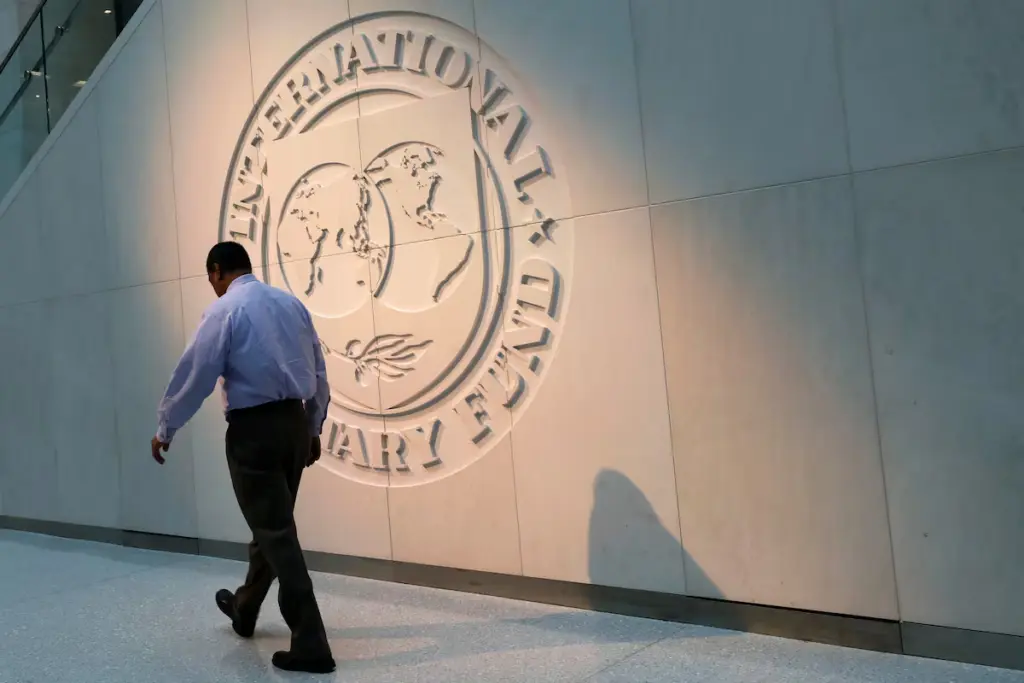
Was the IMF Programme derailed? – Facts show 2015 Programme was off-track, not 2023 Programme
A fresh debate has erupted over the performance under successive International Monetary Fund (IMF) bailout programmes following claims by some political actors that the country’s current IMF-supported programme suffered a derailment ahead of the 2024 elections.
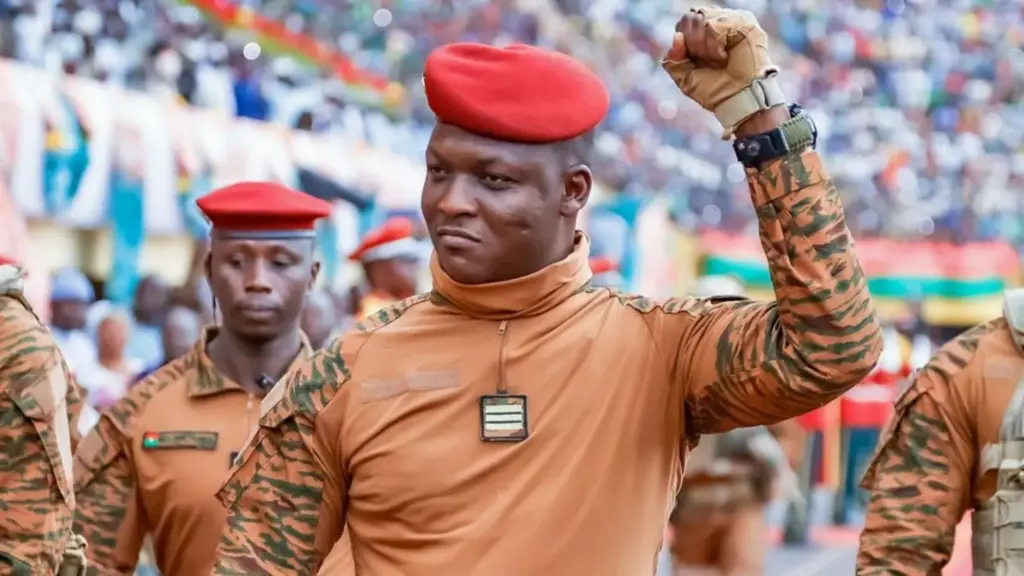
Burkina Faso military leader Traore says ‘forget democracy’
Burkina Faso’s military leader, Ibrahim Traore, says that people need to “forget” about democracy, just three months after his government dissolved all political parties in the West African nation.

Why Ghana’s Mobile Money security is a house of cards
In the bustling markets of Makola and the sleek high-rises of Airport City, a silent predator stalks the Ghanaian pocket. It does not break locks or climb fences; it simply asks for a key that we have been conditioned to give.
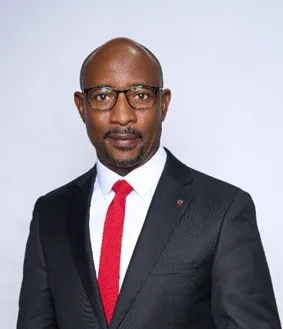
GH₵94bn Negative Equity: Is it time for the Bank of Ghana to think like investors or step too far?
The Bank of Ghana (BoG) faces a pressing challenge. As of 2025, its negative equity position has reportedly worsened to approximately GHS 94 billion (US$ 7,965,585,380.00), driven largely by the Domestic Debt Exchange Programme (DDEP), monetary policy operations, and exchange rate-related losses. While central banks ca...
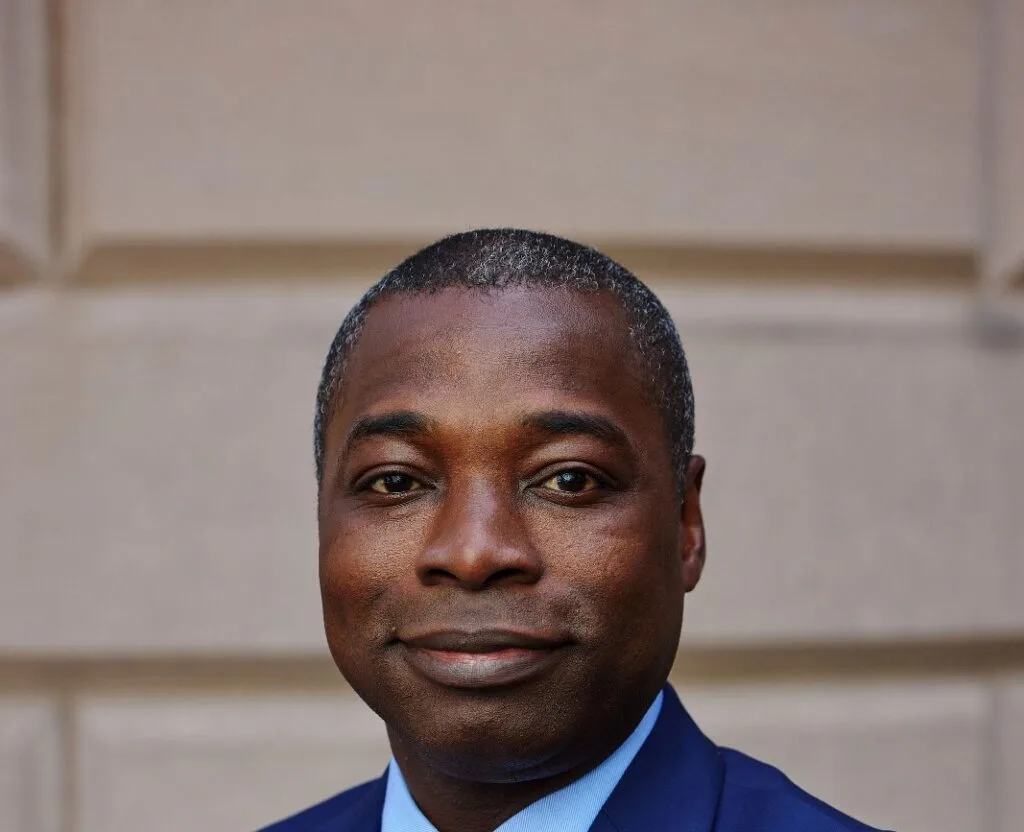
PAPSS is the payment backbone Africa’s trade has been waiting for
Africa’s trade ambitions are no longer theoretical. With the African Continental Free Trade Area (AfCFTA) gaining traction, the continent is steadily repositioning itself as a unified economic bloc. Yet one structural constraint remains clear: trade cannot thrive where payments are slow, expensive, or uncertain.

GES must stop the 19th century administrative process now and fully activate GESIMS
The Ghana Education Service cannot continue to speak about digital transformation while simultaneously forcing teachers and administrators to endure outdated, paper-based administrative processes that belong to a bygone era. The launch of the Ghana Education Service Information Management System (GESIMS), spearheaded b...
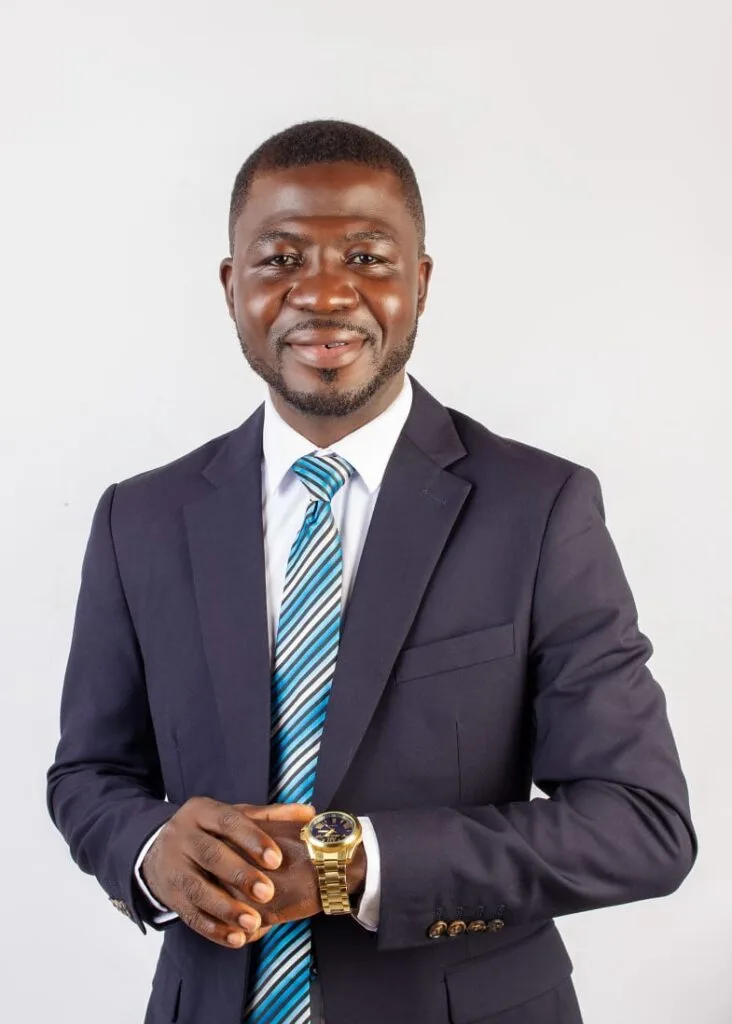
Teachers under siege: The growing crisis of indiscipline and violence in Ghanaian pre-tertiary schools
For many years, teaching was regarded as one of the most respected professions in Ghana. Teachers were not only instructors but also mentors, disciplinarians, counsellors and role models entrusted with shaping the future of the nation. Today, however, a disturbing trend is emerging within our Senior High Schools; a gro...
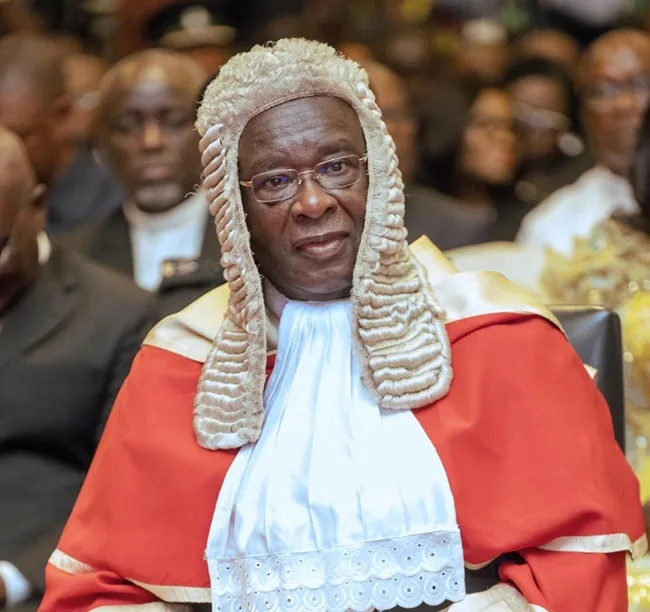
Opinion: Growing public concern over Chief Justice’s public conduct and appearances with political figures
I have noted with grave concern the recent public conduct of the Chief Justice of the Republic of Ghana, Justice Paul Kwadwo Baffoe-Bonnie which risks eroding public confidence in the independence and impartiality of the Judiciary.

Unstoppable Sinner breaks Djokovic record in Rome
Jannik Sinner has broken Novak Djokovic's all-time record of successive match wins at ATP Masters 1000 tournaments by recording the 32nd straight victory of his historic streak to reach the Italian Open semi-finals.
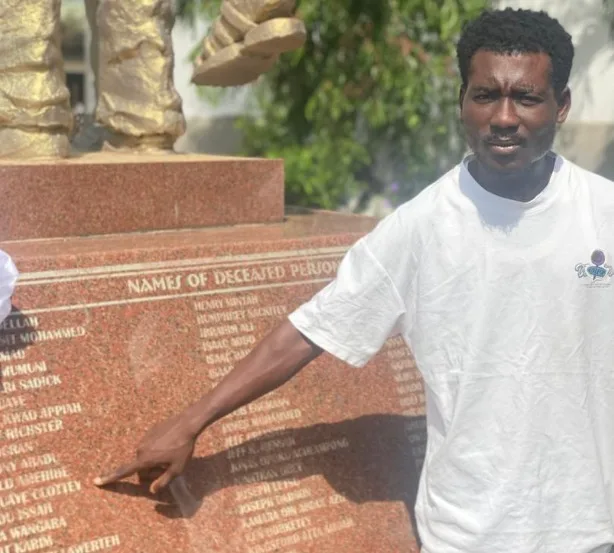
What football took from me: How Africa’s deadliest stadium disaster orphaned, ruined a life
Emmanuel Clottey has spent much of his young life trying to survive in a world of storms and tragedies. At 26, he has taken menial jobs, relied on friends for support and, at times, struggled simply to make ends meet. But behind his daily battles lies a deeper wound: the loss of a father he […]
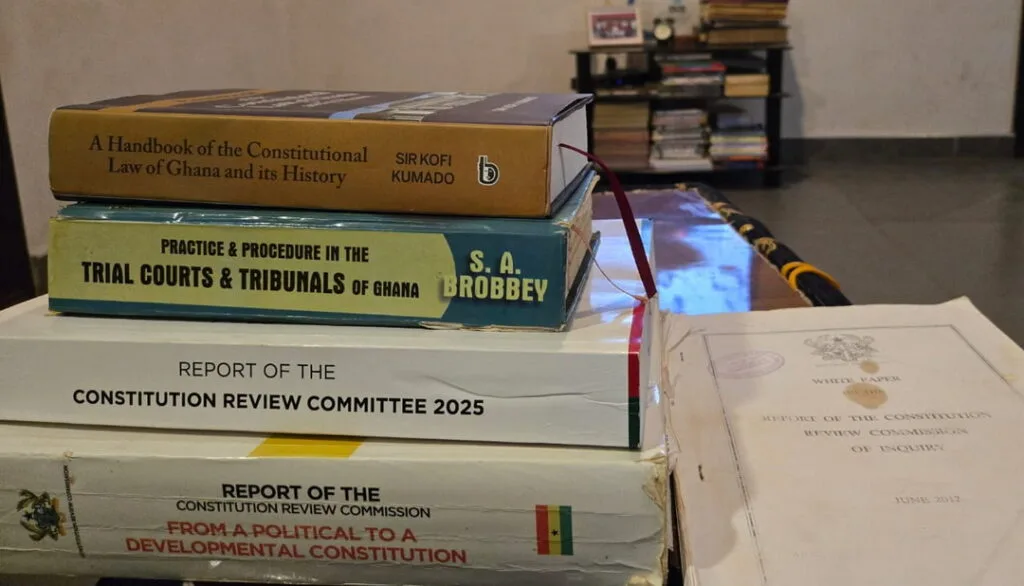
THE LAW 101: Contemporary Critique, Administrative Reforms, and the De-Establishment of the Tribunal System (2011-2025) (Part II)
While the structural fusion under the 1992 Constitution successfully brought the parallel public tribunals under a single judiciary headed by the Chief Justice, it also inherited significant operational challenges. By 2011, public and legal attitudes had grown increasingly frustrated with severe systemic delays across...
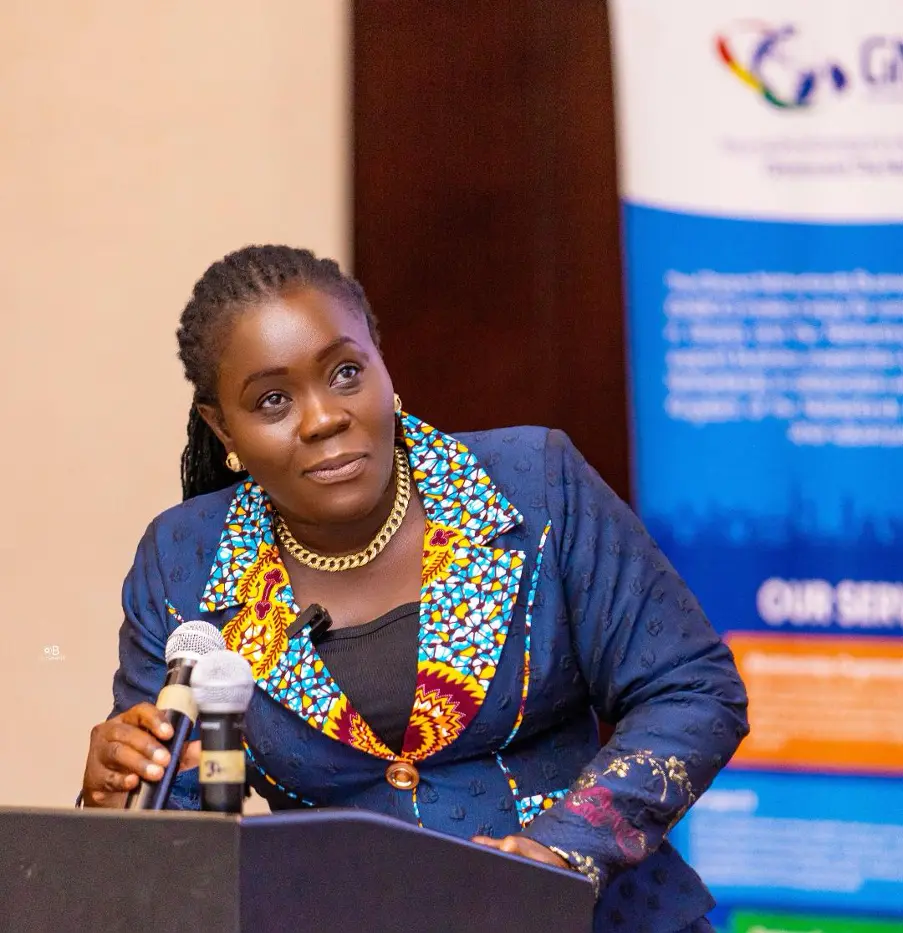
Strengthening economy through informal sector tax collection
The era, where many informal-sector businesses and workers pay taxes only when faced with enforcement or coercion, rather than voluntarily, has become a collaborative regime between the Ghana Revenue Authority (GRA) and taxpayers in the SME sector.