

Opinion
Stories in this category

Centralised decentralisation: The strings we do not see, and what managing Tema has taught me about local power
1. A Conversation in Kigali The African Academy for Women in Political Leadership convened us in Kigali in the first week of August, 2026. 40 women from 28 countries in Africa and the Caribbean. Ministers, legislators, mayors, party leaders. I was one of two Ghanaians. We had come to learn particularly from Rwanda’s re...

Beyond the headlines: Rethinking emergency care in Ghana
Over the past few months, Ghana’s health sector has once again been thrust into the national spotlight.

Corruption, governance, and the betrayal of justice in Ghana
I write not to drown readers in technicalities or academic jargon, but with emotions; pain, frustration, and hopelessness. My reflections converge on the themes of leadership and governance, and Ghana’s unending struggle against its greatest anti-development enemy: corruption and leakages. Corruption in Ghana is not ju...
Africans must go… But to where?
The troubling scenes unfolding in South Africa, where fellow Africans are being harassed, beaten, threatened, and told to “go back home”, are unsettling to every conscience across this continent. As the June 30 ultimatum by vigilante groups such as "March and March" approaches, the urgency and ugliness of the situation...

Bank of Ghana in 2025: Financially impaired but operationally resilient
The Bank of Ghana’s 2025 financial statements present a striking paradox; one that would appear alarming in any conventional financial institution but is, in the context of central banking, more nuanced. The Bank of Ghana has reported deepening losses and a sharply negative equity position yet continues to function wit...
Searching for a Ghost in Toronto: When political outrage runs out of idea
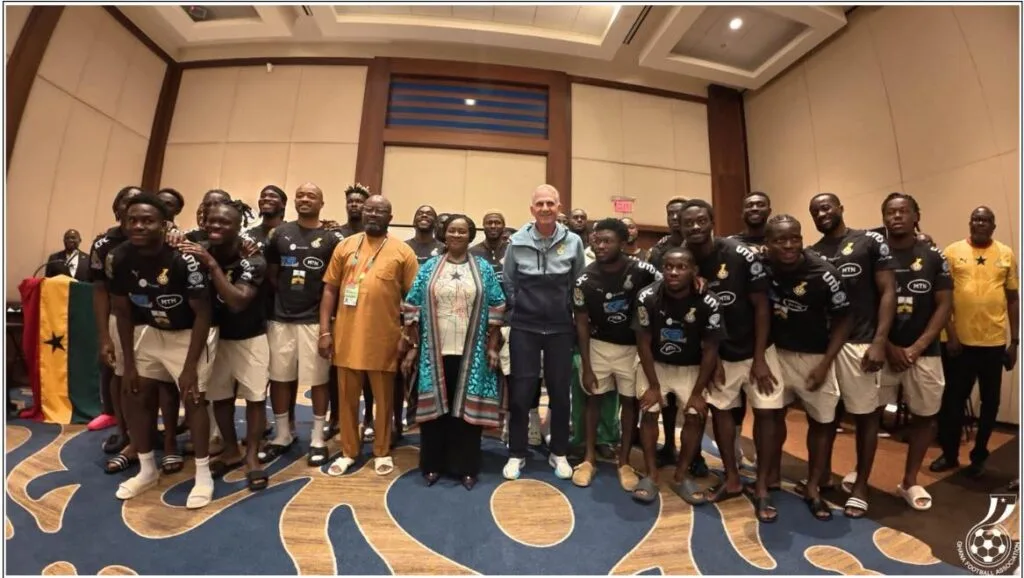
There are opposition parties, and then there are opposition parties that seem permanently unemployed. The former spend their time developing alternative policies, scrutinising government decisions, proposing solutions to national challenges, and preparing themselves as a credible government-in-waiting. The latter spend...

Don’t make Mahama a lame duck President in NDC succession dispute
In the eight years he crisscrossed the country after the loss of the 2016 general elections to Nana Addo, Mahama himself made numerous admissions, openly and quietly, to party elites, supporters, and the general public about some of the mistakes his government had made in the first term (January 2013 to January 2017)....

A Green Card is not a sanctuary: What Ken Ofori-Atta’s immigration victory really means
The reported grant of lawful permanent residence to Ghana’s former finance minister, Ken Ofori-Atta, is undoubtedly an important legal victory. But it is not the victory many of his supporters may believe it to be, nor is it the defeat that some of his political opponents may fear. A green card answers one question: wh...

What a tomato harvest taught me about wealth growing in Africa
Across boardrooms and policy circles, we spend considerable time discussing global shocks and their implications for Africa’s future.

Reconstruct, Don’t Refurbish: Terminal 2 and the high cost of policy misjudgement
Ghana's aviation sector stands at a critical inflection point. At the center of this moment is Terminal 2 of Accra International Airport, a facility long acknowledged to be outdated, inefficient, and structurally constrained. Yet, despite prior technical assessments and strategic decisions that led to the construction...

What Is Wrong with Us? Why do we Reject Colonialism yet Cling to its Titles?
Across Africa, there is a deep, justified and often emotional conversation about history. Colonialism. Exploitation. Economic imbalance. Cultural disruption. We speak about it with conviction. We debate it in lecture halls, dissect it in policy forums and amplify it across radio, television and digital platforms. We qu...
The Insurance Paradox: Of state capture, greedy monopolies, and the SIC reset
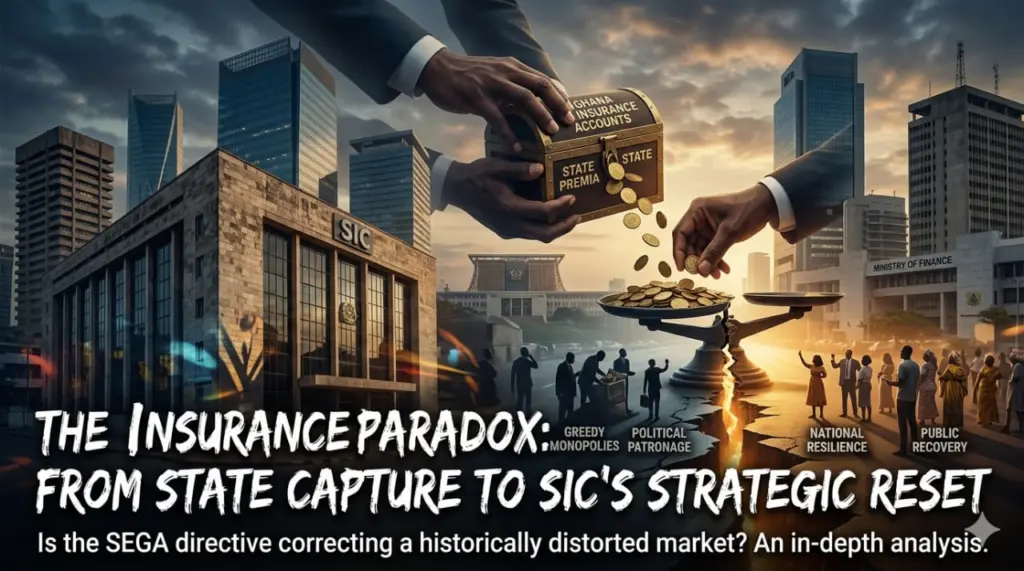
For far too long, the Ghanaian insurance industry has functioned less like a competitive marketplace and more like a banquet hall where the table is set by political patronage and the guest list is restricted to a greedy few.