Combating vaccine misinformation: Paediatricians rally health workers to lead grassroots advocacy drive
In a renewed push to safeguard child health and counter rising misinformation, the Paediatrics Society of Ghana (PSG) has convened a high-level regional workshop aimed at equipping healthcare professionals with the tools to champion immunisation across communities. The one-day “Immunisation Champions Project” workshop,...
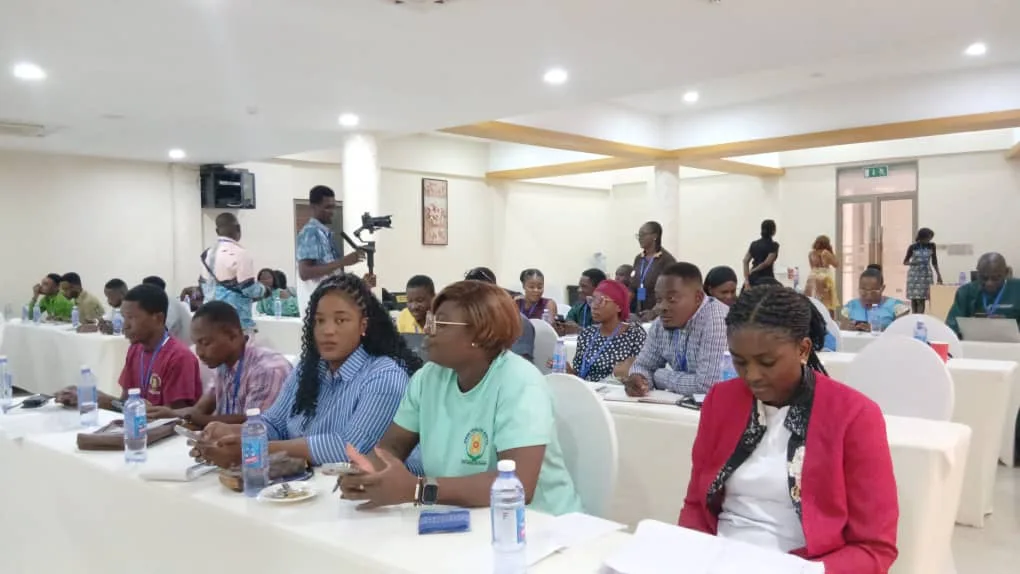
In a renewed push to safeguard child health and counter rising misinformation, the Paediatrics Society of Ghana (PSG) has convened a high-level regional workshop aimed at equipping healthcare professionals with the tools to champion immunisation across communities.
The one-day “Immunisation Champions Project” workshop, held in Sunyani, brought together health practitioners from the Bono, Bono East and Ahafo regions.
Organised in collaboration with the International Paediatric Association (IPA), the initiative forms part of a broader advocacy and policy influence programme designed to strengthen public confidence in vaccines and expand equitable access nationwide.
The training focused on enhancing the capacity of frontline health workers to address misconceptions surrounding immunisation, while reinforcing its role as one of the most effective public health interventions in Ghana’s history.
Speaking on the sidelines of the event, the Bono Regional Director of Health Services, Dr Osei Kuffour Afreh, underscored the urgent need for intensified advocacy.
“Although Ghana has made significant strides in immunisation over the years, misinformation remains a challenge. There is still more work to be done,” he said.
“As healthcare professionals, the responsibility lies with us to provide accurate information, correct false narratives, and restore public trust in vaccines.”
Dr Afreh described immunisation as one of Ghana’s greatest public health success stories, noting that since its introduction in 1978, it has played a pivotal role in reducing child mortality and protecting millions from vaccine-preventable diseases.
“Immunisation has consistently contributed to ensuring that Ghanaian children not only survive but thrive. However, where there is misinformation, we must respond with truth, clarity, and sustained engagement,” he added.
The workshop also highlighted the critical link between nutrition and immunisation outcomes. The Chairman of the PSG for the Bono, Bono East and Ahafo regions, Dr. Jacqueline Asibey, called on mothers and caregivers to prioritise proper nutrition for children, particularly beyond the age of two.
“Good nutrition strengthens a child’s immune system and enhances the effectiveness of vaccines,” she noted. “We must continue to empower women with the knowledge and resources needed to provide adequate nutrition for their children.”
Dr. Asibey further urged healthcare professionals to intensify community outreach efforts, stressing that empowering families with accurate information is key to overcoming vaccine hesitancy.
Participants at the workshop echoed these sentiments, pledging to extend advocacy efforts to their respective communities.
Many emphasised the importance of engaging directly with families, religious groups, and local leaders to dispel myths and build confidence in immunisation programmes.
The Sunyani workshop forms part of the wider IPA–PSG Immunisation Champions Project, a multi-year initiative running from October 2025 to September 2028.
The programme seeks to develop a network of informed advocates capable of influencing policy and driving behavioural change at both community and national levels.
As Ghana continues its fight against preventable diseases, health experts say sustained education, community engagement, and trust-building will be critical in ensuring that no child is left behind in the country’s immunisation efforts.
Reporting by Daniel Donkor, Bono Region