Ghana calls for educational Sovereignty as eLearning Africa 2026 Opens in Accra
Ghana has renewed its commitment to digital transformation in education, calling for African-led solutions to shape the future of learning across the continent. Speaking at the official opening of the 19th edition of eLearning Africa in Accra, Minister for Education, Haruna Iddrisu, said Africa must take control of its...
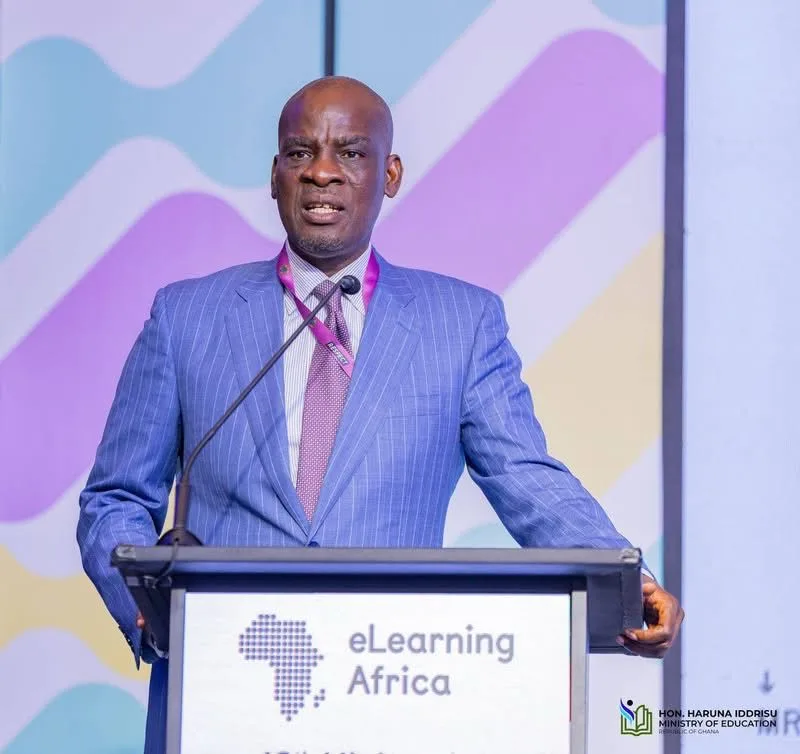
Ghana has renewed its commitment to digital transformation in education, calling for African-led solutions to shape the future of learning across the continent.
Speaking at the official opening of the 19th edition of eLearning Africa in Accra, Minister for Education, Haruna Iddrisu, said Africa must take control of its educational systems, digital platforms, and technological future to achieve true sovereignty and sustainable development.
The three-day conference, held at the Labadi Beach Hotel under the theme “Africa’s Time, Africa’s Terms: Learning for Sovereignty, Strength and Solidarity,” brought together policymakers, educators, technology experts, and development partners from across the continent and beyond.
Addressing participants, the Minister emphasized that educational sovereignty begins with African-owned curricula, research institutions, and digital learning platforms.
He highlighted significant strides made by Ghana’s education sector since 2025, including the expansion of digital learning programmes and technology integration in schools.
According to him, 36 Ghanaian EdTech companies have been supported through the Mastercard Foundation EdTech Fellowship, reaching more than 690,000 learners, nearly half of whom are girls from rural and underserved communities.
The Minister also cited the introduction of the Basic Science, Technology, Engineering and Mathematics (BSTEM) programme, which incorporates coding, artificial intelligence, and robotics into basic education, as well as the nationwide deployment of digital learning tools for teachers and students.
He noted that while Africa is home to one of the world’s youngest populations, significant challenges remain. He observed that only about 38 percent of Africans have access to the internet, while a large proportion of young people lack basic digital skills needed to compete in the modern economy.
To address these gaps, he called for greater investment in artificial intelligence literacy, ethical technology frameworks rooted in African values, and the inclusion of African languages in emerging digital technologies.
The Education Minister revealed that Ghana is developing a National Artificial Intelligence in Education Policy to guide the responsible use of AI and protect learner data.
Looking ahead, he stressed the importance of strengthening Technical and Vocational Education and Training (TVET), fostering collaboration between universities and industry, and creating an enabling environment for innovation and technology startups to thrive.
He also underscored the need to bridge the digital divide through expanded internet connectivity in rural communities, accessible technologies for persons with disabilities, and targeted programmes to increase girls’ participation in STEM education.
While acknowledging the value of international partnerships, Hon. Iddrisu maintained that Africa’s future must be driven by Africans.
“Ultimately, Africa’s future will not be imported. It will be imagined, designed, taught and built by Africans,” he declared.
He urged African countries to deepen collaboration through shared digital infrastructure, research networks, and mutual recognition of qualifications to accelerate progress towards the goals of the African Union’s Agenda 2063.
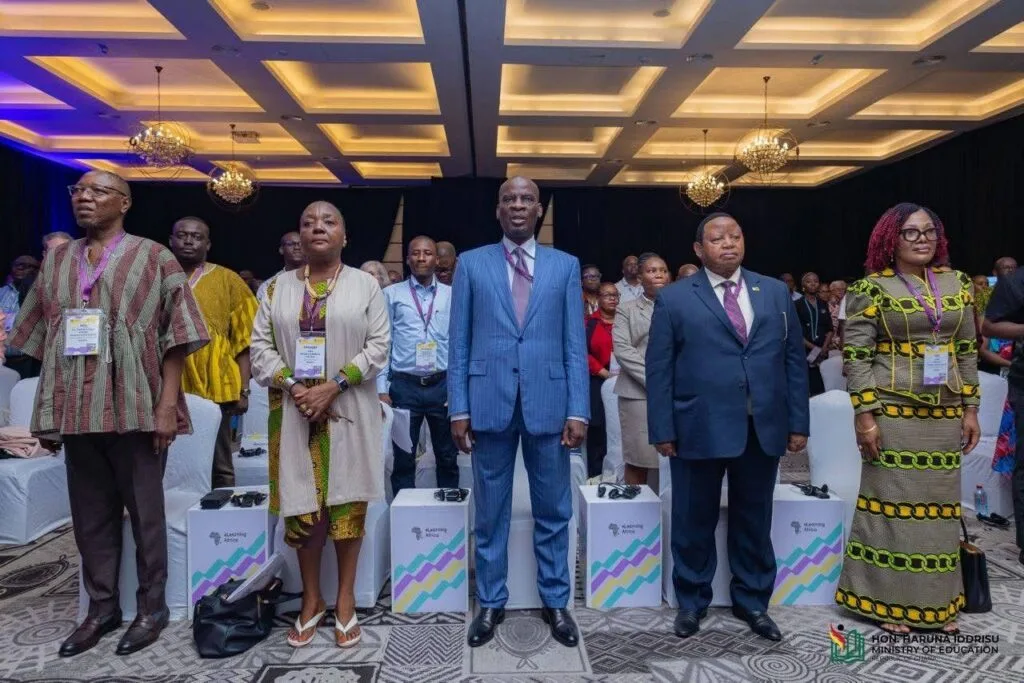
The Minister officially declared the 19th edition of eLearning Africa open, expressing confidence that the conference would generate practical solutions to advance educational sovereignty, economic growth, and continental solidarity.
On her part, Conference Chair Dr. Aida Opoku-Mensah stressed the need for Africa’s education systems to reflect the continent’s identity, values, and aspirations. She noted that learning should empower Africans to tell their own stories, develop home-grown solutions, and build a future shaped by African priorities rather than external influences.
According to her, achieving educational sovereignty requires a collective commitment to creating inclusive, innovative, and culturally relevant learning environments that prepare young people for the demands of a rapidly evolving digital world.