GH¢93m allowance for assembly members will strengthen decentralisation — Richard Fiadomor
A local governance expert has described the government’s payment of GH¢93 million in consolidated allowances to assembly members as a major step towards strengthening decentralisation and improving grassroots governance across the country. Speaking in an interview with the Daily Graphic, Richard Fiadomor said the initi...
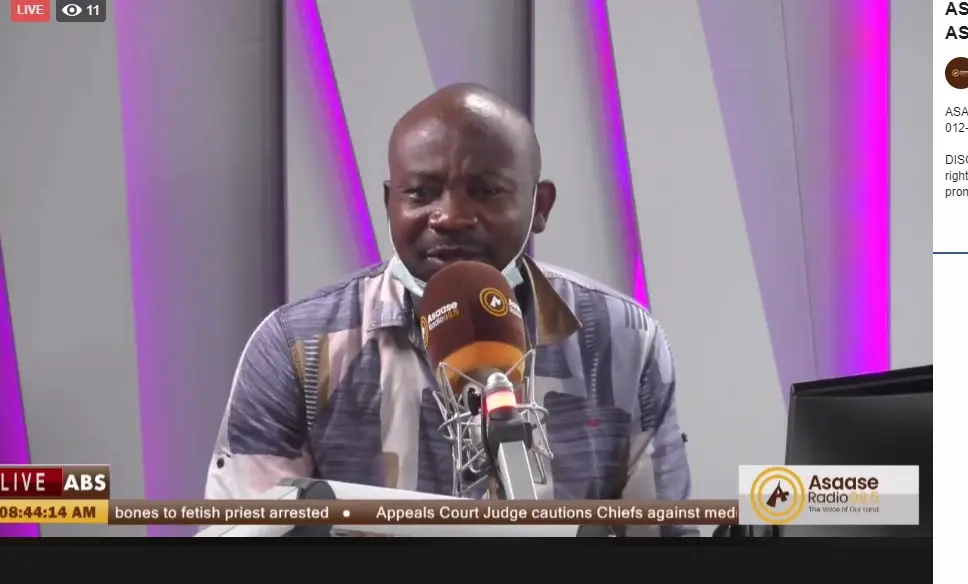
A local governance expert has described the government’s payment of GH¢93 million in consolidated allowances to assembly members as a major step towards strengthening decentralisation and improving grassroots governance across the country.
Speaking in an interview with the Daily Graphic, Richard Fiadomor said the initiative would enhance the effectiveness of assembly members by providing equitable financial support regardless of where they serve.
The payment, announced by Finance Minister Cassiel Ato Forson during the presentation of the 2026 Mid-Year Fiscal Policy Review in Parliament last Thursday, fulfils a campaign promise by President John Dramani Mahama to introduce consolidated allowances for assembly members.
Fiadomor said assembly members serve as the direct representatives of communities and play a critical role in formulating local policies and bye-laws that respond to the development needs of their electoral areas.
He explained that under the previous system, assembly members relied on the Internally Generated Funds (IGF) of their respective Metropolitan, Municipal and District Assemblies (MMDAs) for sitting allowances, resulting in significant disparities in payments.
According to him, assembly members in rural and peri-urban districts, where IGFs are generally lower, often received much less than their counterparts in better-resourced metropolitan assemblies.
“The consolidated allowances have brought equity in the amount received by assembly members and eliminated the discrimination that previously existed in the payment of allowances,” Fiadomor said.
He noted that the new arrangement would allow assembly members to focus on their responsibilities without uncertainty over whether their assemblies had sufficient resources to pay their allowances.
Fiadomor added that the allowances would improve the oversight role of assembly members by enabling them to monitor government-funded projects in their electoral areas more effectively.
He said the payments would also support assembly members to organise town hall meetings to engage residents, gather their concerns for discussion at assembly meetings and provide feedback on decisions and bye-laws passed by their respective assemblies.
Despite welcoming the initiative, Fiadomor urged the government to ensure the allowances are released on time.
He said regular and predictable payments would sustain the motivation of assembly members and prevent delays from undermining effective grassroots governance.