Chinese man jailed for attempting to smuggle 2,200 live ants out of Kenya
A Kenyan court has sentenced a Chinese man to jail and imposed a steep fine for attempting to smuggle more than 2,200 live ants out of the country. On Wednesday, the court ordered the man to pay 1 million Kenyan shillings (about $7,746) and also gave him a 12-month prison term for trying to transport live garden ants i...
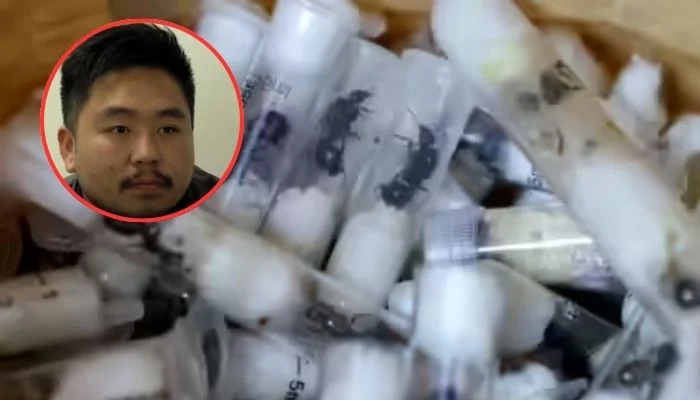
A Kenyan court has sentenced a Chinese man to jail and imposed a steep fine for attempting to smuggle more than 2,200 live ants out of the country.
On Wednesday, the court ordered the man to pay 1 million Kenyan shillings (about $7,746) and also gave him a 12-month prison term for trying to transport live garden ants in his luggage through Nairobi’s main international airport.
The magistrate said the punishment was intended as a deterrent, pointing to a growing number of cases involving ant trafficking in Kenya.
Kenyan officials noted that large-scale collection of ants can cause significant ecological harm, particularly when harvesting is done in bulk and without environmental safeguards.
The court emphasised that such activity threatens local ecosystems and encourages repeat offenses if penalties are too lenient.
The defendant, Zhang Kequn, was arrested last month at Nairobi’s main international airport. Authorities found over 2,200 live garden ants hidden in his luggage.
Initially, Zhang pleaded not guilty to charges that included dealing in live wildlife, but he later changed his plea to guilty.
A Kenyan man, Charles Mwangi, was also charged in connection with the shipment. Mwangi is accused of supplying the ants to Zhang. He has pleaded not guilty and is currently out on bail; his case was not heard in court on Wednesday.
This sentencing comes after similar ant trafficking cases in Kenya. Last year, four men were fined 1 million shillings each for attempting to traffic thousands of ants.
The case also highlights a growing global demand. In places such as China, some insect enthusiasts pay high prices to keep ant colonies in specialized clear containers known as formicariums. These setups allow collectors to observe ants’ intricate social systems and behaviors, including how colonies cooperate and function.
Wildlife experts said those earlier rulings reflected a broader shift in biopiracy—from well-known illegal wildlife products such as elephant ivory to less-publicised species, including insects and other small animals that may be harder to detect but are still valuable to collectors.