Ghana Free Primary Healthcare policy faces funding concerns — think tank
Ghana’s newly introduced Free Primary Healthcare Policy could significantly expand access to basic health services, but questions remain about how it will be sustainably financed, a policy analysis has warned.
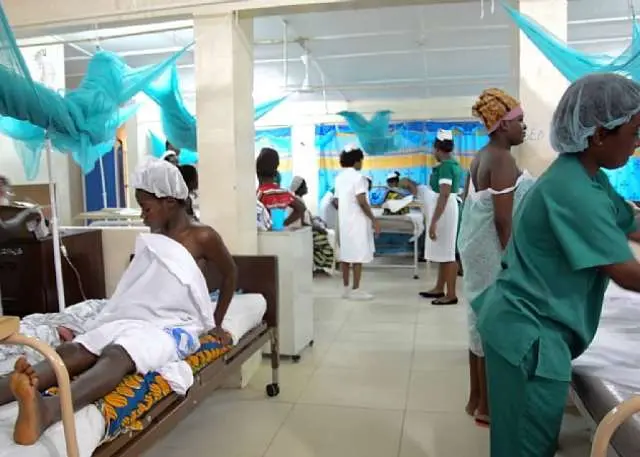
Ghana’s newly introduced Free Primary Healthcare Policy could significantly expand access to basic health services, but questions remain over its long-term sustainability, a policy analysis has warned.
The concerns were raised by the Centre for Health Policy and Development–Africa, led by its Executive Director, Emmanuel Opuni.
Launched on April 15, 2026, the policy aims to provide free access to essential primary healthcare services and shift Ghana’s health system from a treatment-focused model to one centred on prevention and community care.
It is being implemented by the Ghana Health Service under the Ministry of Health, with an initial rollout covering 150 districts.
Access and prevention
The scheme covers treatment for common illnesses such as malaria and respiratory infections, maternal and child health services, immunisation, and screening for conditions including hypertension, diabetes and cancer.
Analysts say the policy could improve access to healthcare, particularly for people not covered by the National Health Insurance Scheme (NHIS), which currently reaches just over half of the population.
By removing upfront costs, the programme is also expected to improve health equity, especially among low-income and rural communities.
Funding concerns
However, the report warns that the absence of a dedicated funding source could threaten the policy’s long-term viability.
Although the 2026 Budget allocates funding within a broader GH¢9 billion health financing envelope, the programme relies heavily on Value Added Tax (VAT), which has declined as a share of total tax revenue in recent years.
Mr Opuni said this dependence raises sustainability concerns, noting that VAT-based financing is exposed to revenue fluctuations.
Delays in revenue collection and disbursement could also disrupt service delivery, the analysis added.
Impact on household spending
The government expects the policy to reduce out-of-pocket healthcare spending from about 35 per cent to 20 per cent by 2030.
However, the report cautions that shortages of medicines, diagnostics and health personnel could push patients towards private providers, limiting potential savings.
Operational challenges
The analysis also highlights long-standing challenges in the health system, including workforce shortages in rural areas, weak supply chains and infrastructure gaps.
In some parts of the country, access to healthcare facilities remains limited, particularly in rural communities where distances to clinics are significant.
“What is the use of free healthcare if there are no professionals or facilities available to deliver the services?” Mr Opuni asked.
Call for reforms
The Centre for Health Policy and Development–Africa is calling for reforms, including dedicated funding for primary healthcare, expanded infrastructure in underserved areas, and improved logistics and workforce planning.
While the Free Primary Healthcare Policy has been widely welcomed as a step towards universal health coverage, the report concludes that its success will depend on how effectively financial and operational challenges are addressed.