NHIA CEO sets out key pillars for strengthening Ghana’s health system
The Chief Executive Officer of the National Health Insurance Authority (NHIA), Victor Asare Bampoe, has outlined three fundamental pillars he believes are essential to strengthening Ghana’s health system: policy consistency, fiscal discipline, and sustainable financing.
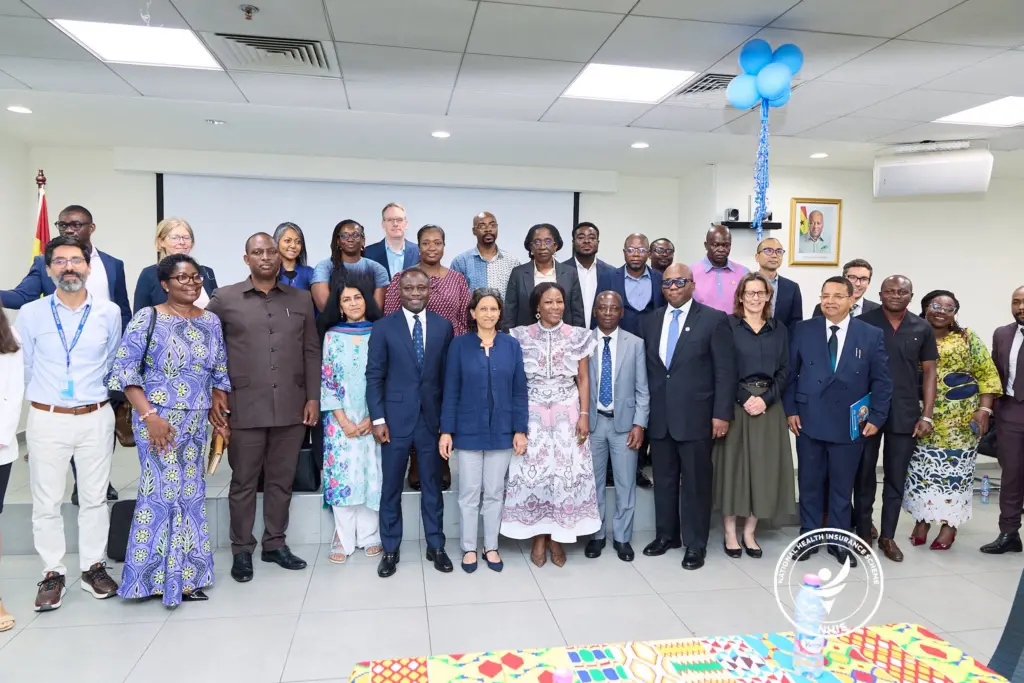
The Chief Executive Officer of the National Health Insurance Authority (NHIA), Victor Asare Bampoe, has outlined three fundamental pillars he believes are essential to strengthening Ghana’s health system: policy consistency, fiscal discipline, and sustainable financing.
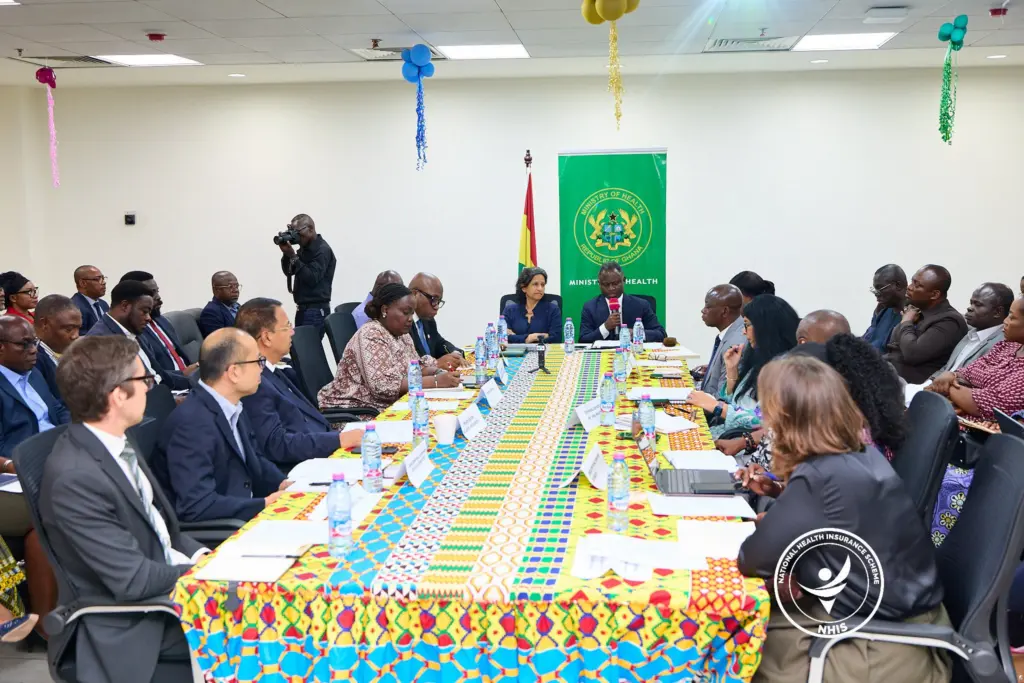
Dr Bampoe made the remarks at the Ghana National Universal Health Compact Roundtable held on Tuesday, May 5, 2026.

The high-level meeting, jointly led by the Ministry of Health Ghana and the World Bank, aimed to translate the government’s “Fit to Prosper” vision into practical strategies for delivering equitable and sustainable healthcare across the country.
Addressing participants, Dr Bampoe stressed the importance of maintaining a stable and predictable policy environment within the health sector.
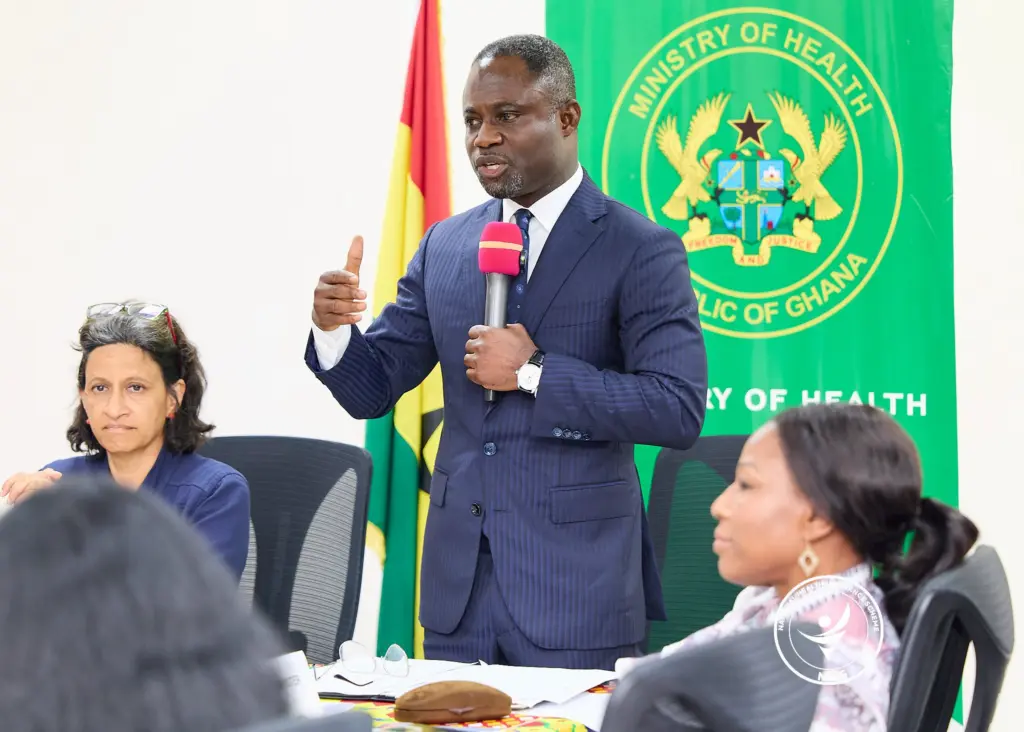
“Maintaining consistency in health policies is essential to ensuring long-term impact, stability and stakeholder confidence,” he said.

He warned that frequent policy changes risk derailing progress, whereas a coherent and sustained direction allows for more effective planning, implementation and evaluation of health programmes.

Turning to fiscal discipline, the NHIA Chief Executive underscored the need for prudent financial management practices, including transparency, accountability and efficient use of resources.
He noted that safeguarding public funds is critical to ensuring that health investments translate into measurable improvements in outcomes.
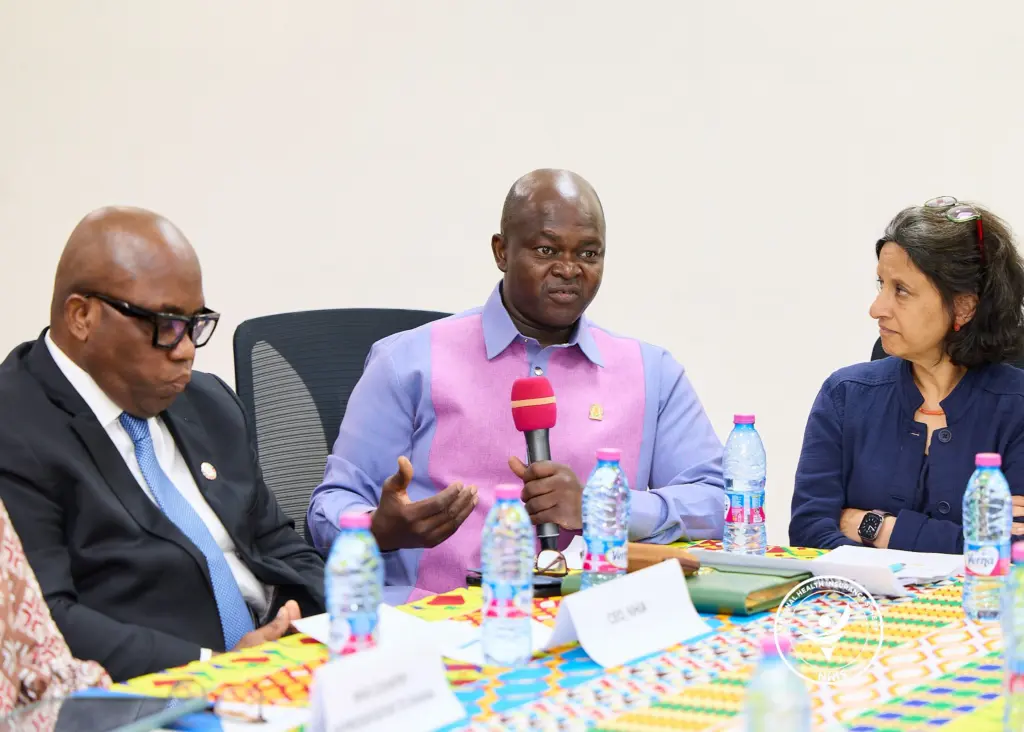
On the issue of sustainable financing, Dr Bampoe highlighted the recently launched Free Primary Healthcare (FPHC) Initiative by President John Dramani Mahama as a transformative policy intervention.
According to him, the initiative represents a strategic shift from a predominantly curative approach to one centred on prevention.
He explained that this transition is expected to significantly lower long-term treatment costs, particularly for chronic and non-communicable diseases, while encouraging early detection, proactive health-seeking behaviour and stronger community engagement.
The roundtable also featured contributions from the Minister for Health, Kwabena Mintah Akandoh, who outlined progress made in key areas such as maternal and child health, immunisation coverage, disease surveillance and digital health innovation.
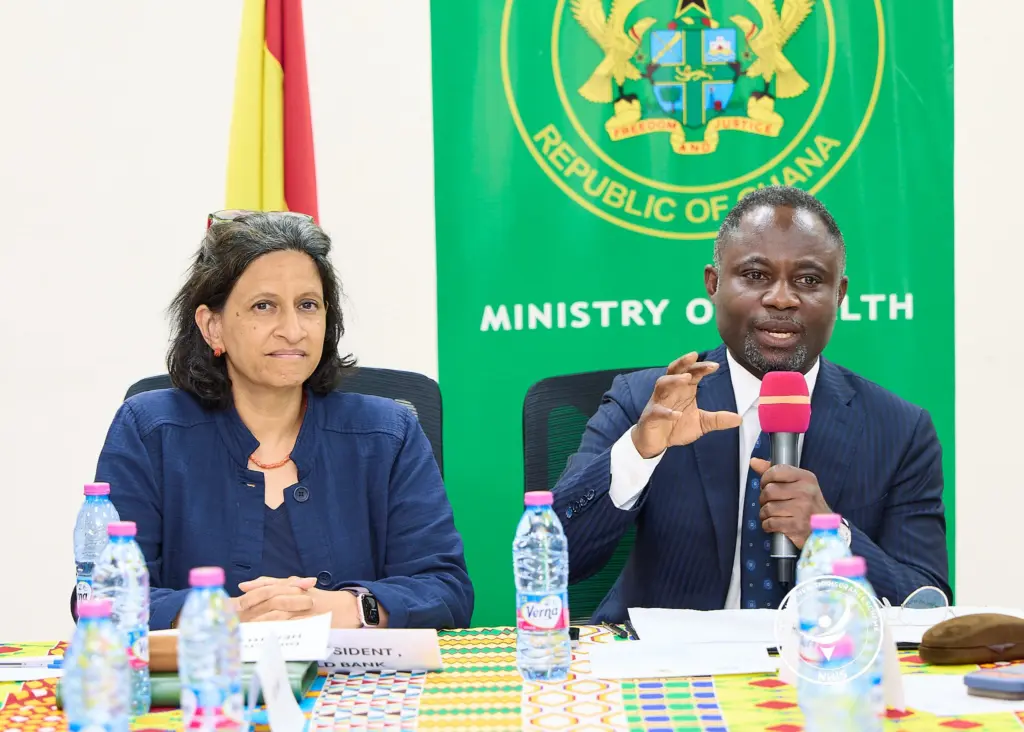
He further highlighted government priorities, including expanding primary healthcare services, strengthening emergency preparedness, boosting local pharmaceutical production and tackling persistent inequalities in healthcare access.
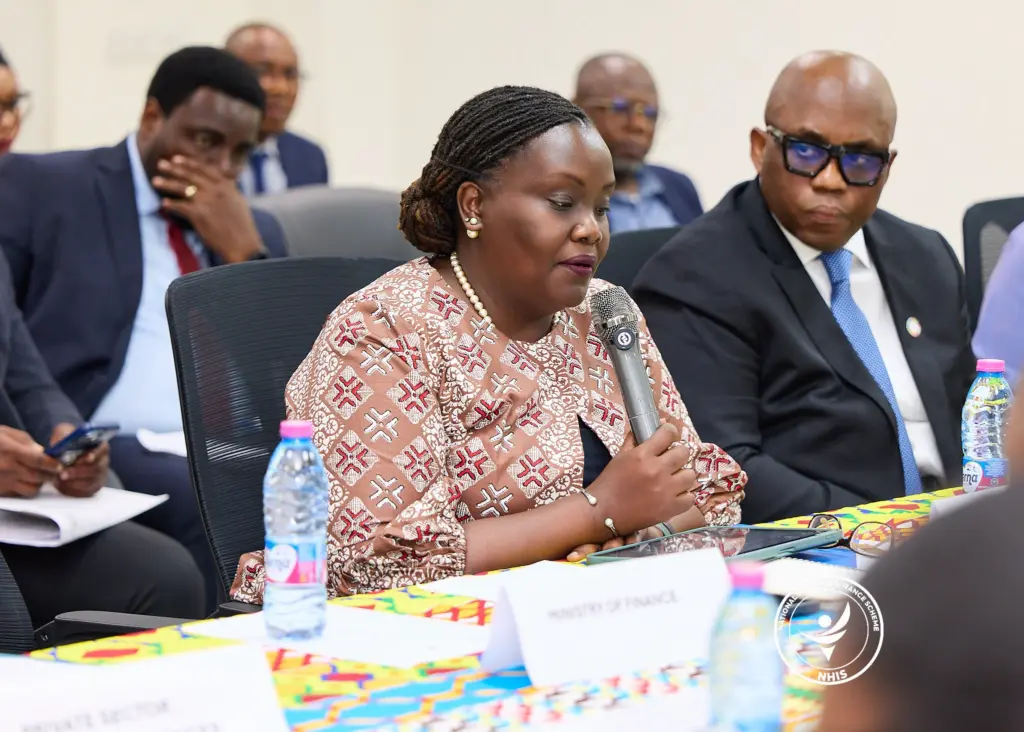
Mamta Murthi, Vice President of the World Bank Group, commended Ghana’s ongoing efforts, particularly its focus on building resilient primary healthcare systems, improving early disease detection, integrating service delivery, and leveraging technology alongside local manufacturing capacity.
Key commitments emerging from the Compact include the expansion of free primary healthcare services, increased coverage under the National Health Insurance Scheme, reduction of out-of-pocket healthcare expenses, and the mobilisation of additional domestic resources, with particular emphasis on supporting vulnerable populations.