Salary downgrade sparks lecturer protest: “A law should not have retrospective effect”, says Yao Kpogo
More than 250 tutors and lecturers in Ghana’s colleges of education are petitioning President John Dramani Mahama over what they describe as unfair treatment under new tertiary education regulatory policies, citing salary downgrades, lost allowances and retrospective deductions. The group, led by Richard Yao Kpogo of t...
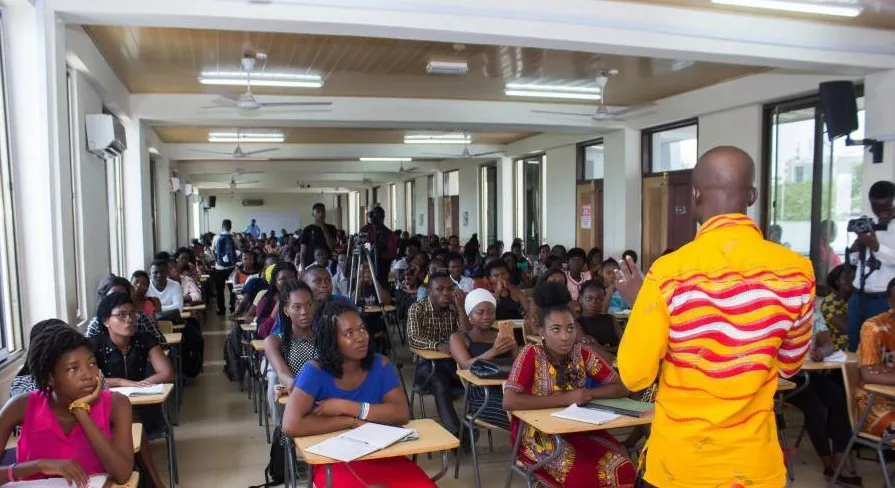
More than 250 tutors and lecturers in Ghana’s colleges of education are petitioning President John Dramani Mahama over what they describe as unfair treatment under new tertiary education regulatory policies, citing salary downgrades, lost allowances and retrospective deductions.
The group, led by Richard Yao Kpogo of the National Association of Professional Teachers in Education Ghana (NePTEG), says reforms implemented by the Ghana Tertiary Education Commission (GTEC) have worsened conditions for experienced educators.
“We feel a law should not have retrospective effect,” Kpogo said on theAsaase Breakfast Show on Tuesday (26 May). “Once we are already in the system, we should be given a concession.”
According to him, affected staff — many with 10 to 20 years of experience — were migrated from salary levels 20 to 22 down to level 19, with some allowances removed and deductions applied between January and June 2025.
The changes, he said, have had significant financial and psychological impact, particularly for those nearing retirement.
“The salary on which you go on retirement determines what you receive. This has brought hardship,” he said.
The dispute centres on qualification requirements, with regulators prioritising higher academic credentials such as PhDs for career progression in tertiary institutions.
While not opposing academic standards, Kpogo argued that experience and existing responsibilities should be considered alongside qualifications.
“You cannot do away with experience when you are talking about working capabilities,” he said, calling for transitional arrangements that would allow affected staff to upgrade without losing benefits.
He cited previous reforms at institutions such as the Ghana Institute of Journalism, where concessions were granted to lecturers during qualification transitions.
The group also warned of declining morale among tutors, with some questioning their motivation to continue teaching.
“Teachers are demotivated… the zeal is no longer there,” Kpogo said, adding that lecturers continue to work largely out of commitment to students.
NePTEG is seeking salary adjustments, restoration of allowances and policy revisions to reflect the principle of “equal work, equal pay”.
Kpogo said the decision to escalate the matter to the presidency follows unsuccessful engagements with the Ministry of Education and the Office of the Vice President.
“We believe the President, as father of the land, can help address the unfair treatment,” he said.
The petition raises broader questions about labour rights, academic standards and equity within Ghana’s tertiary education system.