‘Ghana’s economy was already recovering, ICU tag misleading’ – Economist tells Ato Forson
Economist and Executive Director of the Institute of Economic Research and Public Policy (IERPP), Prof. Isaac Boadi, has challenged the government’s portrayal of the economy as having moved “from the intensive care unit to the wellness centre,” arguing that the country’s economic conditions at the time of the transitio...
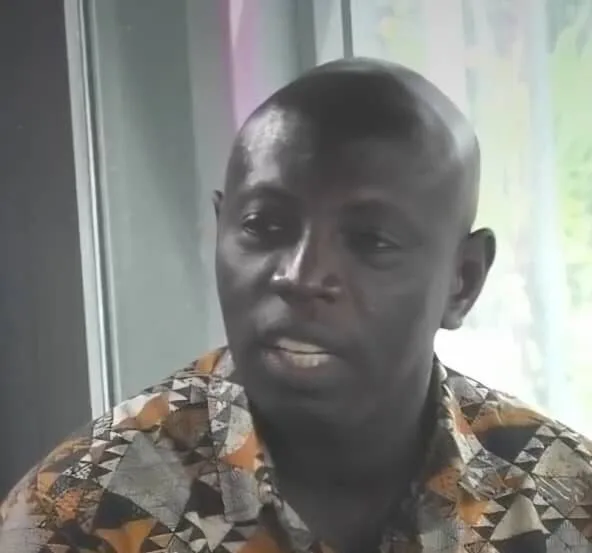
Economist and Executive Director of the Institute of Economic Research and Public Policy (IERPP), Prof. Isaac Boadi, has challenged the government’s portrayal of the economy as having moved “from the intensive care unit to the wellness centre,” arguing that the country’s economic conditions at the time of the transition of power did not warrant such a description.
Speaking on The Forum on Asaase Radio, on Saturday (30 May), Prof. Boadi said the economy inherited by the current administration faced significant challenges but could not reasonably be characterised as being in an intensive care unit.
“I didn’t see the economy in an ICU,” Boadi said. “In this state, we are too weak to even return home.”
His comments were in response to remarks by Finance Minister Dr. Cassiel Ato Forson, who told Parliament on 28 May that Ghana had moved “from the ICU to the wellness centre” following fiscal reforms and improvements in macroeconomic indicators under the current administration.
Forson said the government’s policy measures had stabilised the economy and reduced the need for future financial assistance from the International Monetary Fund (IMF), adding that Ghana was transitioning towards a reform-focused engagement with the lender through a Policy Coordination Instrument.
But Boadi disputed the minister’s assessment of the economy’s starting point.
According to him, while inflation had peaked at about 54 percent during the previous administration, the figure had already been reduced significantly before the change of government.
“The inflation, which had gone up to 54 percent, had been halved to about 23 percent by the time they left office,” he said.
Boadi argued that Ghana’s economic difficulties during that period were shaped in part by global disruptions following the COVID-19 pandemic, noting that many countries experienced similar inflationary pressures.
He also pointed to improvements in foreign exchange reserves and debt management measures undertaken before the transition.
“The country had gone through the Domestic Debt Exchange Programme, but check the reserves,” he said. “We had restructured our repayments before handing over, so those obligations would not become a major burden until 2027.”
According to the economist, those arrangements created a relatively stable environment that should have supported economic recovery.
“You cannot describe an economy that was in ICU when you took over and then now say it is in a wellness centre,” he said.
Boadi maintained that while current economic indicators may show improvement, the lived experience of many Ghanaians suggests that recovery remains incomplete.
“If that is the case, then they have moved the economy from the ICU to feel weak to return home,” he added.
Ghana is nearing completion of its IMF-supported programme, with the government indicating that future engagement with the Fund will focus on policy coordination and reform monitoring rather than direct financial support.