Petition against CAF’s Motsepe cites contradiction between office and South African xenophobia
Political activist Solomon Owusu and legal practitioner Andrew Appiah-Danquah, Esq., have officially petitioned the Ghana Football Association (GFA), calling for a continental review into whether Dr Patrice Tlhopane Motsepe remains suitable to serve as the President of the Confederation of African Football (CAF). The f...
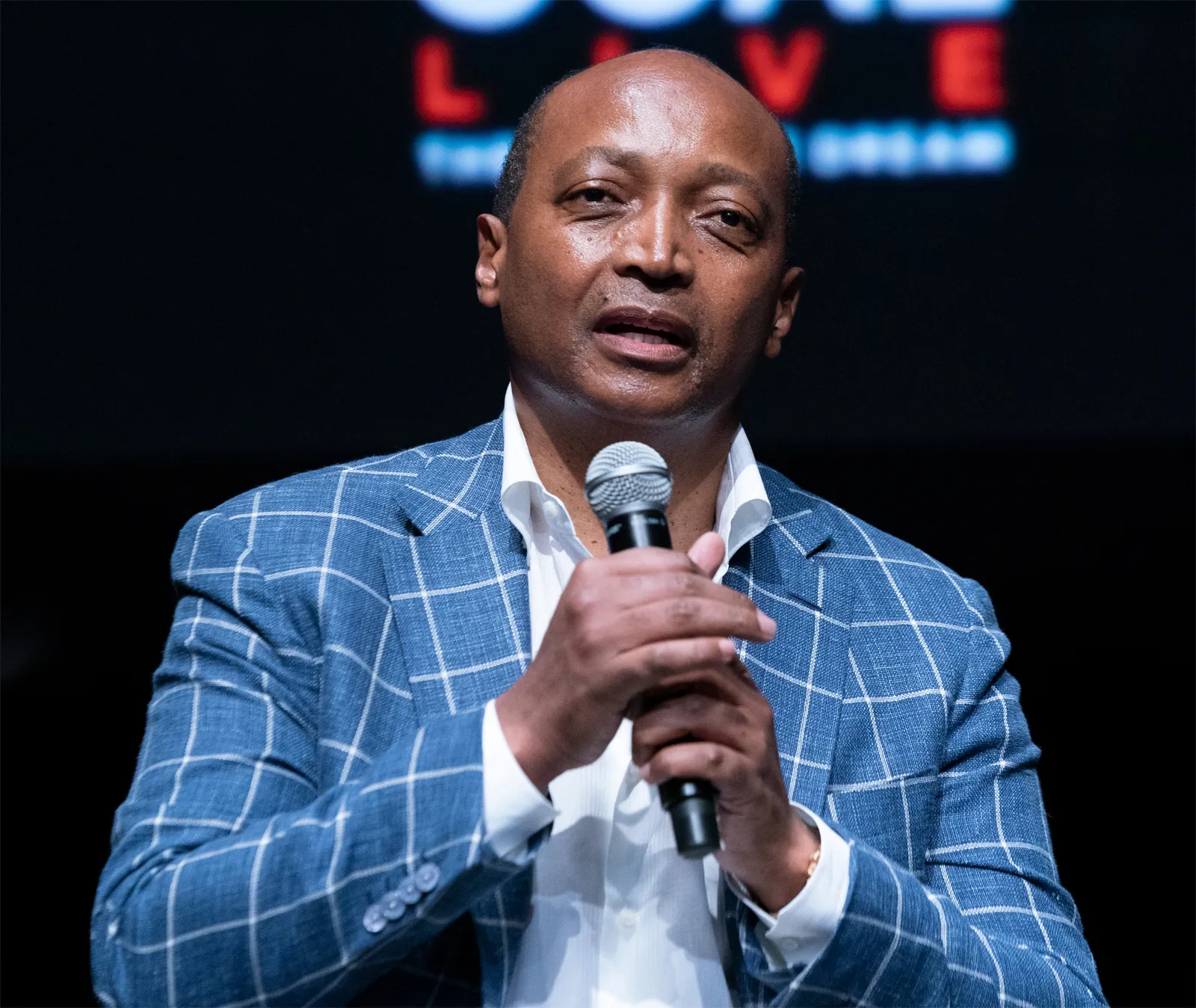
Political activist Solomon Owusu and legal practitioner Andrew Appiah-Danquah, Esq., have officially petitioned the Ghana Football Association (GFA), calling for a continental review into whether Dr Patrice Tlhopane Motsepe remains suitable to serve as the President of the Confederation of African Football (CAF).
The formal petition, addressed to the GFA President through the Executive Council, urges the football governing body to leverage Ghana’s historic regional influence to initiate a broader conversation on continental football leadership.
According to the petitioners, the move is driven by a profound “commitment to the ideals of Pan-Africanism, African solidarity, anti-discrimination, and the integrity of African football as a unifying force across the continent.”
The document explicitly states that the challenge is not personal. The authors emphasized that the text is:
“…not directed against Dr. Patrice Motsepe on account of his nationality, race, or personal background, [and is] neither a challenge to his business achievements nor personal accomplishments.”
Instead, the core of the petition targets a structural and symbolic mismatch. Owusu and Appiah-Danquah argue there is a worsening contradiction between CAF’s core mission of continental unity and the fact that its highest office is tied to a nation—South Africa—that has become heavily associated with recurring, violent xenophobia targeting fellow African citizens.
The petition reminds leadership that CAF is far more than a typical sports administrative body, labeling it “one of Africa’s most visible continental institutions.” Through football, CAF holds a mandate to foster cultural integration, push back against systematic exclusion, and celebrate a shared identity across diverse populations.
Because football remains uniquely capable of uniting citizens across sensitive linguistic, ethnic, and religious divides, the petitioners argue that the CAF President acts as a vital living symbol of African unity. Therefore, when recurring outbreaks of xenophobic violence—including physical attacks, business destruction, displacement, and loss of life—persist in a leader’s home nation, it creates a severe “crisis of confidence.”
While acknowledging that individual citizens are not responsible for the structural actions of their home country, the petitioners note that the situation has weakened CAF’s overall moral authority. They noted that the higher standard expected of South Africa is fundamentally rooted in history:
Continental Sacrifice: The liberation of South Africa from the apartheid regime was actively accelerated by the resources, diplomatic backing, and political risks taken by the broader African community.
Elevated Expectations: Because of this collective history, expectations of Pan-African solidarity from South Africa remain high across the territory.
Explaining why the GFA was chosen to spearhead this movement, the petitioners pointed to Ghana’s historic legacy under Dr. Kwame Nkrumah and its current role as the host nation for the African Continental Free Trade Area (AfCFTA) Secretariat. They stated that these factors give Ghana “both the moral authority and historical responsibility to raise concerns affecting the integrity of continental institutions.”
The petition lays out five specific directives for the Ghana Football Association to execute:
Table Formal Concerns: Formally present the contradiction between CAF’s anti-discrimination principles and its current leadership symbolism before relevant CAF statutory organs.
Launch Association Consultations: Open structured dialogue with other national African football associations regarding the current leadership framework’s ability to drive continental solidarity.
Sponsor an Internal Review: Introduce a formal assessment within CAF focused tightly on leadership accountability and value alignment.
Tighten Leadership Criteria: Advocate for the implementation of stricter ethical and Pan-African leadership criteria for future CAF leadership hopefuls.
Support Leadership Renewal: If deemed appropriate after wide-ranging stakeholder consultations, formally back a motion for leadership renewal at the head of CAF.
The petitioners concluded with a call to action for the GFA to show decisive leadership, reminding the council that member associations possess a fundamental responsibility to step forward whenever the credibility of African football’s highest ideals is compromised.