Ghana must invest in redundancy to avoid future nationwide outages – energy expert
Ghana’s power transmission system requires urgent upgrades, including redundancy and backup control infrastructure, to prevent widespread outages, according to Ing Justice Ohene-Akoto, Executive Director of the Africa Sustainable Energy Centre (ASEC). Following a major substation fire linked to insulation failure, Ohen...
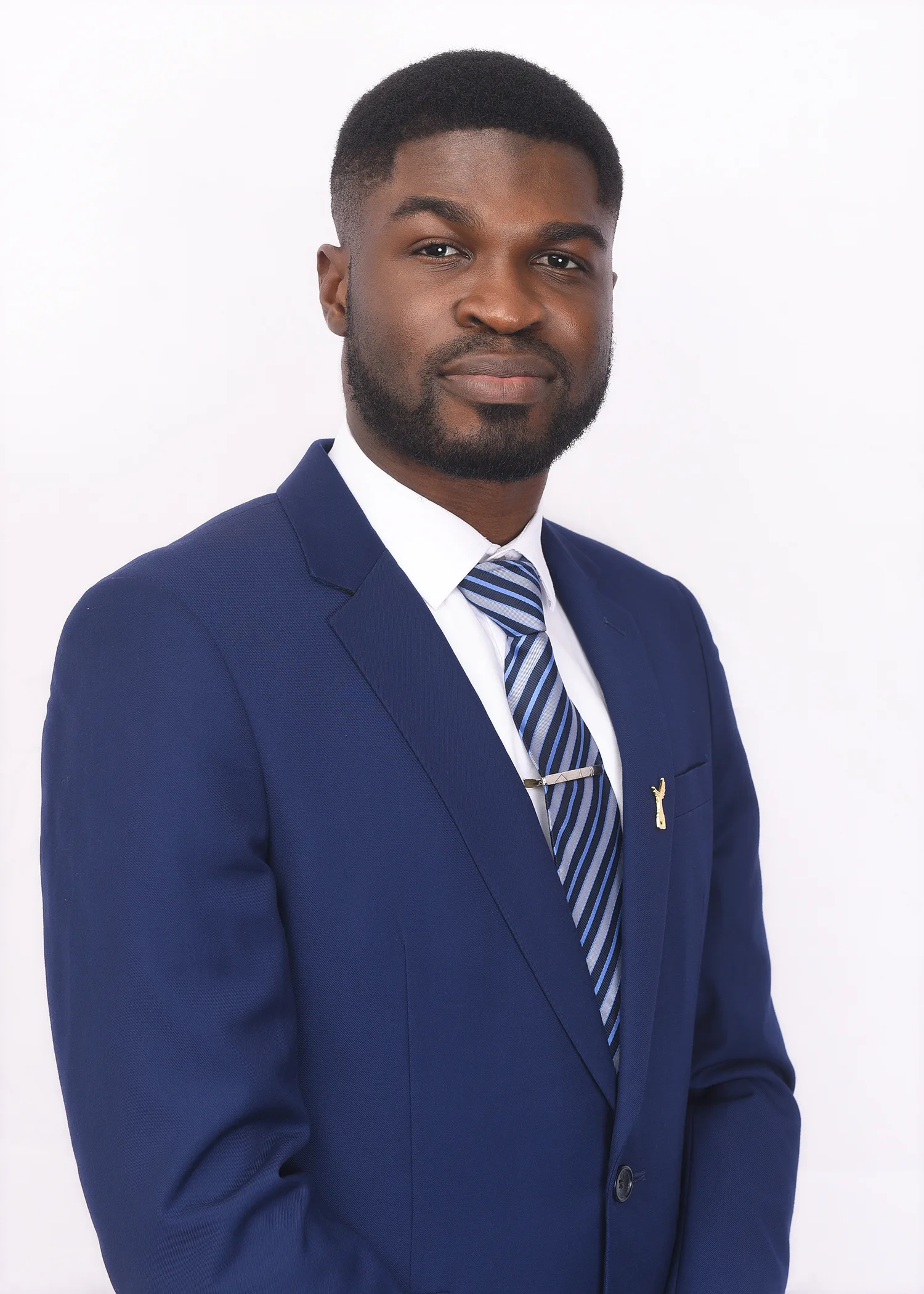
Ghana’s power transmission system requires urgent upgrades, including redundancy and backup control infrastructure, to prevent widespread outages, according toIng Justice Ohene-Akoto, Executive Director of the Africa Sustainable Energy Centre (ASEC).
Following a major substation fire linked to insulation failure, Ohene-Akoto warned that the country’s grid lacks the resilience needed for a growing economy.
“Our system does not have enough redundancy. That is why a single failure can disrupt power supply on a large scale,” he said on the Asaase Breakfast Show on Friday (12 June).
He emphasised the importance of an “N+1 redundancy model”, where backup systems automatically take over when primary systems fail.
“If we had an additional control centre, power could have been rerouted within seconds instead of prolonged outages,” he explained.
The absence of such backup systems, he said, resulted in the loss of nearly 900 megawatts of power for several days, a situation he described as “totally unacceptable.”
Ohene-Akoto criticised current operational practices where electricity supply is cut during maintenance.
“In proper engineering systems, taking power off consumers is the last resort. You should switch to an alternate line and continue supply,” he said.
He described routine outages during transformer replacements as a sign of limited system flexibility and innovation.
The ASEC director also highlighted structural weaknesses in Ghana’s transmission network, including its limited capacity to handle renewable energy integration.
“Our grid is not robust enough. Even introducing renewable energy can destabilise frequency in the current system,” he noted.
He contrasted this with older but well-maintained systems, such as those at VALCO, which continue to operate efficiently due to strong maintenance culture.
While acknowledging that infrastructure upgrades require funding, Ohene-Akoto argued that many critical improvements are low-cost and locally achievable.
“These are things we can do in Ghana without multimillion-dollar investments,” he said.
Ohene-Akoto called on the Energy Ministry to take immediate action, including:
He proposed a one-week deadline for utilities to submit a comprehensive report detailing:
“We need assurance that we are not sitting on a time bomb,” he said.
He concluded that while long-term investments in grid modernisation are necessary, Ghana can stabilise its system in the short term through better engineering practices and preventive maintenance.
“Energy is the backbone of economic growth. What matters now is implementation,” he said.