The World Cup: another African opportunity missed
The story of world cup is not just about the football alone, it is also a story of betrayal and a missed opportunity of continental proportions. The xenophobic attacks on “foreigners” in South Africa, didn’t happen overnight, they are the culmination of years of South Africa failing its fellow Africans, and the cost is...
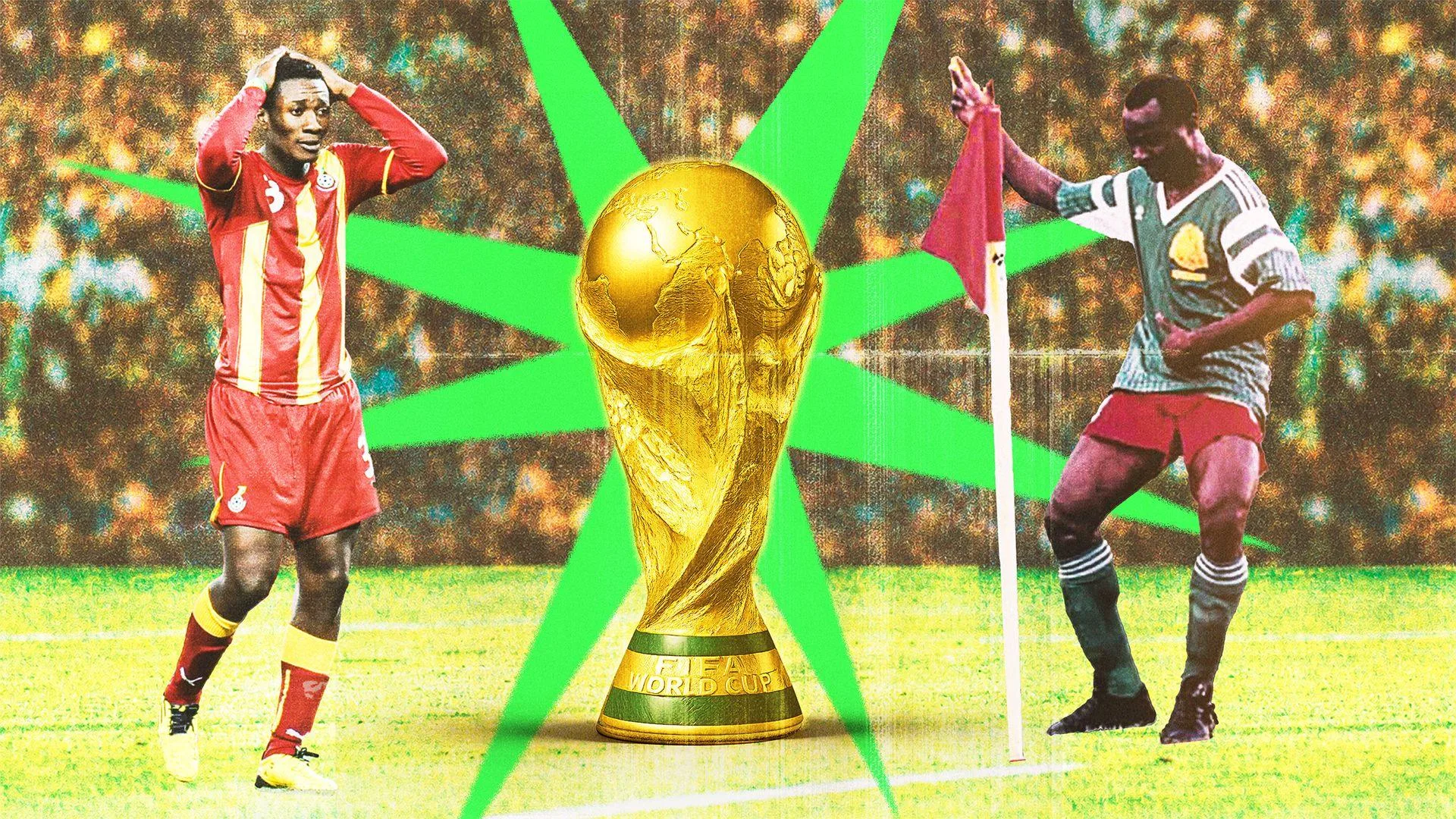
The story of world cup is not just about the football alone, it is also a story of betrayal and a missed opportunity of continental proportions.
The xenophobic attacks on “foreigners” in South Africa, didn’t happen overnight, they are the culmination of years of South Africa failing its fellow Africans, and the cost is no longer just moral, it also continent wide economic tragedy.
The South African government’s failure to provide for its own citizens, is essentially what has led to migrant peoples in the country being scapegoated as the reason for its economic decline, yet even the most casual observer would be hard pressed, not to see or feel; the corruption, blatant corrupt state capture, the gradual de-industrialisation, and the stark collapse of the energy sector.
Here is what so much of the commentary about the world cup is yet to factor in; the 2026 World Cup was never just a sporting event for Africa, it was an economic opportunity; perhaps the biggest single platform the continent has had this decade.
The tournament is projected to generate between $5 billion and $40 billion in total economic activity across the host nations, but the spillover effects; global visibility, tourism, trade linkages, investment interest do not stop at host country borders. For every major global tournament, the continent of every participating nation gets a spotlight. Hotels fill, and international brands run Africa-focused campaigns, and investors look more closely.
Africa should have ridden this wave together; united. Tourism boards across the continent could and should have run joint promotions. African businesses could have used South Africa’s matches as a platform for continental trade deals. The African Continental Free Trade Area (AfCFTA) the world’s largest free trade zone by population, could have taken centre stage, with South Africa as its most visible champion, showing the world what an integrated African economy looks like.
Instead, the headlines leading into the World Cup were not about African potential. They were about African migrants fleeing South Africa in fear. About Ghanaian and Nigerian nationals being evacuated on government-chartered flights, and neighbouring, Mozambicans, Malawians and Zimbabweans fleeing on chartered buses, and looting and burning of ‘foreign owned’ shops, threats, beatings, intimidation, hate speech, incitement, ultimatums and death tolls.
What global investor, sitting in London or Beijing or New York, watching those images in the weeks before the World Cup, would choose to increase their exposure to South Africa? What tourist, planning a trip around the tournament, would extend their stay to explore the continent, when the images from its economic powerhouse are of mob violence against other Africans?
But the failure runs deeper than the violence itself. South Africa has always held the continent at arm’s length.
Even at the height of its post-apartheid promise, it treated its African neighbours, less as partners and more as problems to be managed; securing its borders against immigration rather than opening them to trade and movement. Its foreign policy shifted between paternalism and disinterest. Its business elite looked to London and New York for validation, not Lagos or Nairobi.
This insularity, has always been a challenge to other African capitals, and now collides directly with the continent’s ambitions. How can South Africa champion AfCFTA; a project built on the free movement of goods, services, and people; when its own streets are burning over the presence of other Africans? How can it lead on economic integration when its domestic politics treat integration as a threat?
South Africa did not just hurt itself. It hurt the brand of Africa at precisely the moment the continent needed to project stability, integration, and opportunity.
South Africa should have arrived at the World Cup representing the entire continent, but in the continents’ open rejection through tweets, memes, and Facebook posts, Africa has openly rejected its economic giant.
The message is clear: you cannot call yourself the leader of Africa while your citizens burn African-owned shops and murder African nationals on your streets. And you cannot expect the rest of the continent to help you market Africa to the world when you are busy making the continent look ungovernable.
South Africa has the opportunity to pivot from being a liability for African economic integration, to being its engine. The AfCFTA needs a champion. African tourism needs a gateway. Continental trade needs a logistical hub. South Africa, with its infrastructure, financial systems, and global connections, could be all of these things. But it cannot lead, if it is loathed.
That requires something South Africa has not yet demonstrated: the political will to put Pan-African solidarity ahead of domestic convenience. It requires a government brave enough to tell its own people the uncomfortable truth; that immigrants are not the enemy, that a broken state is, and that the path to prosperity runs through integration with the continent, not isolation from it.
Until then, the rest of Africa will watch, wait, and remember. The World Cup will end. The spotlight will move on. And Africa will have lost one of the best chances it will ever get to show the world what it could be; together.