What Exactly Are We Serving?
Ghana’s Food Safety Question After the Floods

Elizabeth Kafui Senya
Lecturer, Department of Hotel, Catering and Institutional Management (HCIM) Accra Technical University
View author profile4d ago·370views·5 min read
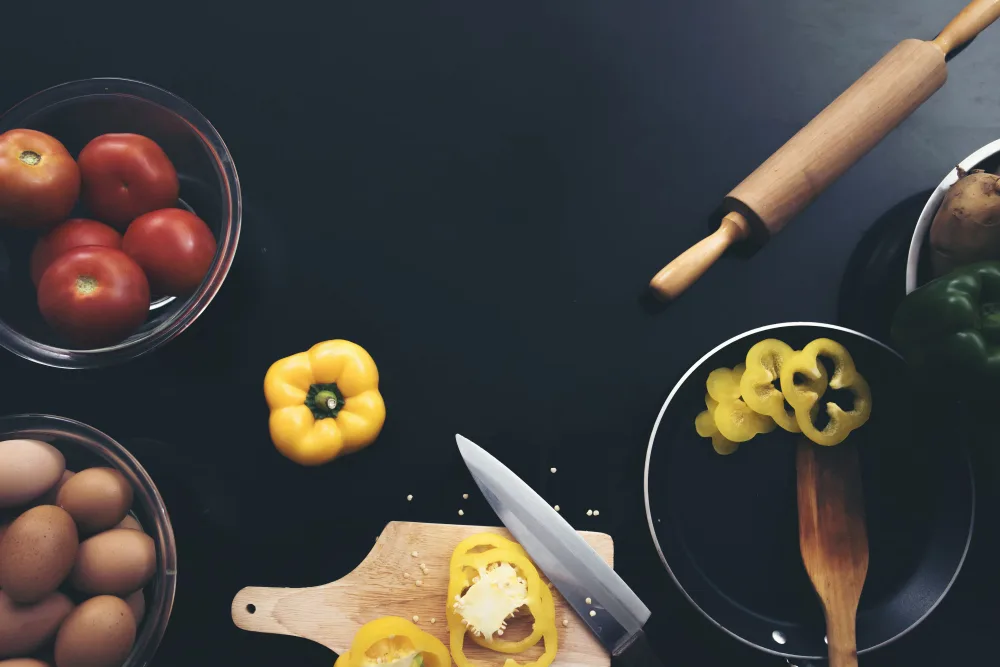
The origin of the ingredients in every plate of food served in a restaurant, hotel, chop bar, school canteen or home may differ from their place of preparation.
The plantain on the plate came from a farm and probably passed through several hands before reaching the kitchen. The vegetables in our soups and stews travelled through a supply chain. The fruits displayed beautifully at breakfast buffets were grown, harvested, transported, stored and purchased before a chef ever touched them.
This is why food safety cannot begin in the kitchen. It must begin with the source.
Recent events in Accra should make those of us in hospitality and food service in particular think seriously about this.
Following the severe flooding that affected parts of Accra in June 2026, health authorities warned about the dangers of contaminated food and water. The Ghana Health Service cautioned that floodwaters could contaminate drinking-water sources and food, creating conditions for waterborne diseases such as cholera, typhoid fever and dysentery. The Service advised the public not to consume food or water that may have come into contact with floodwater.
This should concern us deeply.
When the Water Goes Down, the Danger Does Not Necessarily Go Away
We tend to think of a flood as an event that ends when the rain stops and the water recedes.
From a food-safety perspective, however, some of the consequences may only be the beginning.
Urban floodwater is not clean water. Environmental-health officials have warned that it may mix with raw sewage, chemical runoff, factory waste, refuse and animal droppings. Food submerged in or exposed to such water cannot simply be washed and assumed to be safe.
My concern is what happens further down the food chain.
What happens after food ingredients recovered from the flood are washed, cleaned and returned to the market? What happens when the person purchasing them does not know their history? And what happens when those food ingredients eventually enter a commercial kitchen and are served to dozens or hundreds of people?
The customer sitting in a restaurant cannot trace every tomato, onion, pepper or piece of plantain back to its source. That responsibility therefore falls heavily on those of us who purchase, prepare and serve food.
Our responsibility is beyond preparing something that looks and tastes good. We are responsible for people’s wellbeing too.
The Beautiful Plantain May Have Another Story
There is another food-safety concern that deserves equal attention: artificial fruit ripening.
The use of chemicals such as calcium carbide to accelerate the ripening of fruits has been a longstanding concern. Plantain, banana and mango are among the fruits commonly discussed in relation to the practice.
The attraction is obvious from a commercial point of view. Natural ripening takes time. A trader with large quantities of green produce wants to get them ready for market quickly. Artificial ripening can shorten that process considerably. But faster is not automatically safer.
A 2026 peer-reviewed study examining calcium-carbide ripening in banana, mango and plantain found significant changes in nutritional composition and antioxidant properties. It also reported that toxic heavy metals present in the calcium carbide used in the experiment accumulated in treated fruit tissues, highlighting serious food-quality and safety concerns.
This raises an uncomfortable question: How much do we really know about the food we buy?
A bunch of ripe plantain may look perfectly attractive. Bananas may have the yellow colour consumers expect. Yet appearance alone tells us very little about how that food was handled before reaching the market.
Cheap Food Can Become Very Expensive
For people working in hospitality, catering and food service, price will always matter. Food costs affect menu prices and profitability. But procurement cannot become a race for the cheapest ingredients.
A bargain becomes expensive when it compromises a customer’s health.
Restaurants, hotels, caterers, schools, hospitals and institutional kitchens need to pay greater attention to supplier selection and traceability. Knowing who supplies your food, how it is transported and how suppliers themselves source and handle produce should increasingly become part of professional food-service management.
We must move from asking only, “How much does it cost?” We must also ask, “Where did this come from?”
Regulators clearly have a role. But regulators cannot stand beside every market stall, restaurant storeroom or kitchen. Food safety requires a chain of responsibility.
We All Have a Part to Play
Traders must must establish standards for procurement instead of purchasing indiscriminately because an item is cheaper. Chefs and kitchen managers should reject produce whose source, condition or handling raises reasonable concerns.
Consumers also need to become more observant. Ask questions when something appears unusual.
Be selective about where you buy food. Following floods and other environmental emergencies, exercise additional caution about products coming from affected locations. Wash fresh produce thoroughly with safe water and follow appropriate food-handling and preparation practices.
Where suspicious or unsafe practices are observed, reporting them to the appropriate authorities is not interference. It is responsible citizenship. The media also has an important role to play by continuing to investigate and educate the public about practices that compromise our food supply.
Hospitality Must Mean More Than Service
Hospitality is often associated with beautiful spaces, excellent customer service, attractive presentation and memorable experiences. Those things matter. But the first duty of hospitality is care.
If I prepare a beautiful meal but fail to care about the safety of its ingredients, then something fundamental is missing from the meaning of hospitality.
For those of us who teach future hospitality professionals, this is equally important. We must train students to understand that food safety is not merely an examination topic or a list of kitchen regulations. It is an ethical responsibility.
The chef has a responsibility. The purchasing officer has a responsibility. The restaurant owner has a responsibility. The trader has a responsibility. The regulator has a responsibility. And the consumer has a responsibility.
Ghana’s recent floods have reminded us how vulnerable our food supply can become. Concerns about unsafe artificial ripening remind us that danger can also enter the supply chain through deliberate human choices.
We cannot control every flood. But we can control what we do with food after a flood. We cannot stand beside every trader. But we can demand better standards, purchase more responsibly and report dangerous practices.
Ultimately, food is supposed to nourish life, not quietly endanger it.
Before the next ingredient enters our basket, kitchen, restaurant or hotel, perhaps there is one simple question worth asking: Do I know enough about what I am about to serve?