Recurring headaches should never be ignored, neurosurgeon warns
A persistent headache that keeps returning over several weeks should never be dismissed as stress or migraine, as it could be the first warning sign of a life-threatening brain haemorrhage, consultant neurosurgeon Dr Teddy Totimeh has warned. Speaking on the Asaase Breakfast Show on Thursday (16 July), Dr Totimeh said...
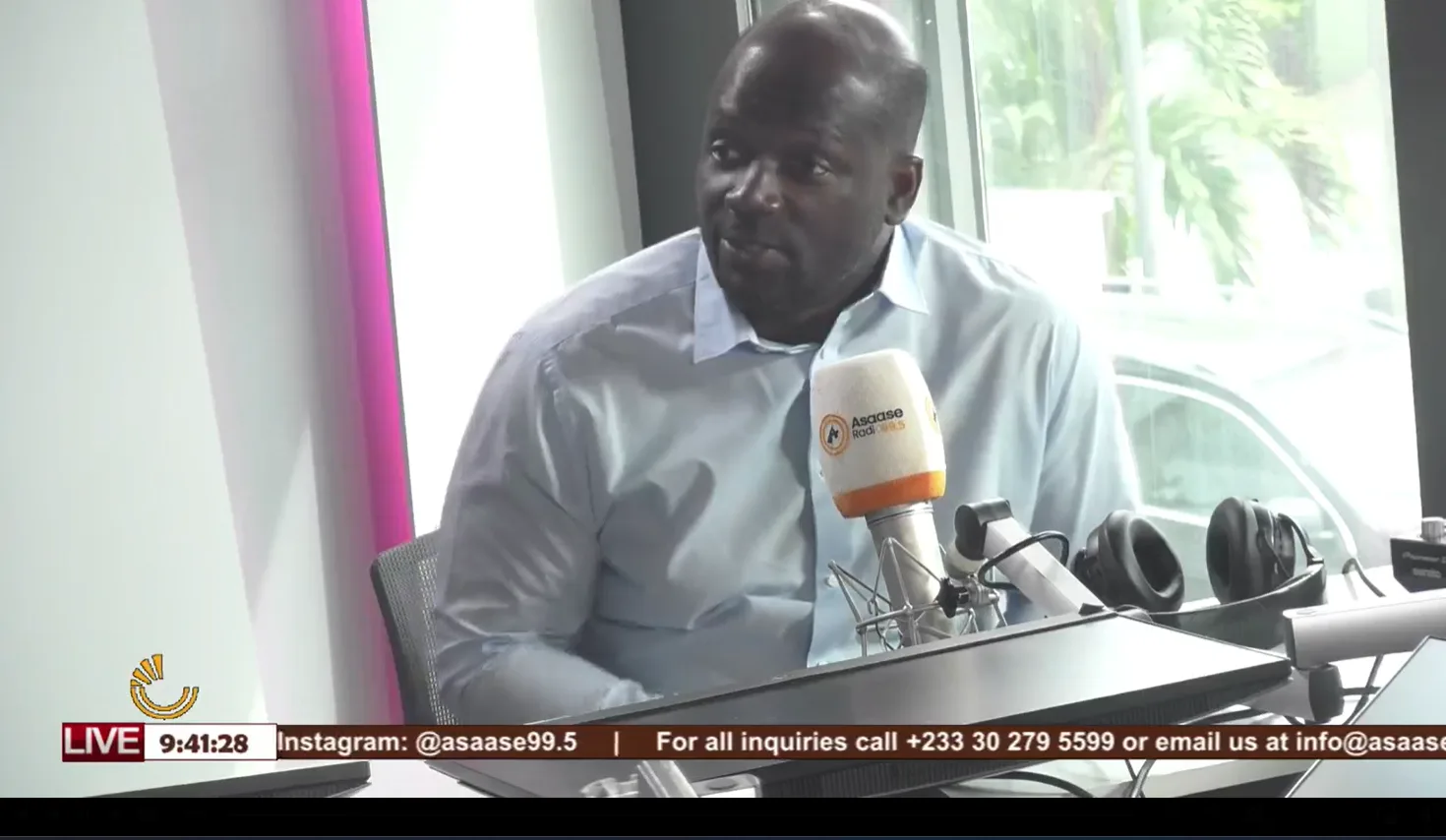
A persistent headache that keeps returning over several weeks should never be dismissed as stress or migraine, as it could be the first warning sign of a life-threatening brain haemorrhage, consultant neurosurgeon Dr Teddy Totimeh has warned.
Speaking on the Asaase Breakfast Show on Thursday (16 July), Dr Totimeh said bleeding in the brain occurs when a blood vessel ruptures, allowing blood to leak into brain tissue and disrupt normal brain function.
“The brain is an electrical organ,” he explained. “It’s almost as if you’ve poured water into a computer. Once blood enters the brain, the brain stops functioning.”
According to him, although haemorrhagic stroke accounts for a smaller proportion of strokes globally, Ghana records a much higher incidence because of widespread hypertension.
“In many countries, bleeding accounts for about one-third of strokes, but in Ghana we’re seeing close to 60%, largely because of hypertension,” he said.
Dr Totimeh said patients often experience what doctors describe as “the worst headache of my life” before a major brain bleed occurs.
He explained that this “warning bleed”, known medically as a sentinel bleed, may occur hours or days before a catastrophic haemorrhage.
“If the warning bleed is detected early, neurosurgeons can intervene before the major bleed happens,” he said.
He advised anyone experiencing severe headaches that recur over several weeks or interfere with daily activities to seek immediate medical attention.
“A headache should not keep coming back. A headache should not be so severe that you stop everything you’re doing. If it persists for more than a month, it must be investigated with a CT scan or MRI,” he said.
Dr Totimeh also stressed the importance of controlling high blood pressure, saying prevention remains the most effective strategy against haemorrhagic stroke.