Delegate system ruling won’t eradicate monetisation in party elections – Political observers
A political scientist and Senior Lecturer at the Kumasi Technical University, Dr. Samuel Afriyie, has described the Supreme Court’s decision to declare the delegate system unconstitutional as a step in the right direction. However, he believes the ruling, which seeks to widen participation in political party primaries...
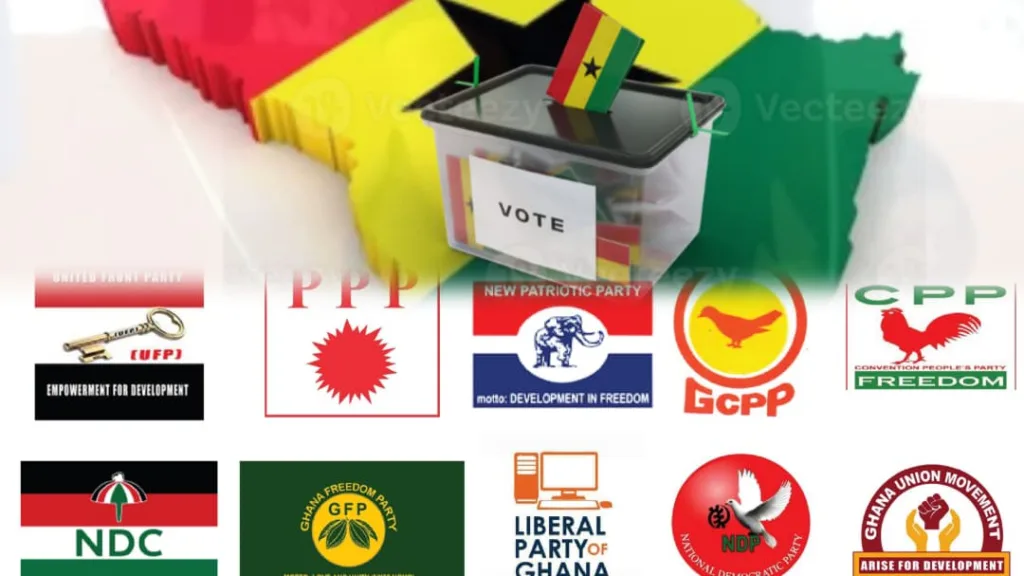
A political scientist and Senior Lecturer at the Kumasi Technical University, Dr. Samuel Afriyie, has described the Supreme Court’s decision to declare the delegate system unconstitutional as a step in the right direction.
However, he believes the ruling, which seeks to widen participation in political party primaries and address concerns over money politics, will not completely eliminate monetisation in internal party elections.

Speaking in an interview with JoyNews, Dr. Afriyie said the decision could help reduce bribery and undue influence but would not entirely remove the culture of money-driven politics.
“The Supreme Court’s decision is a good one, but it will only help reduce, not eradicate, bribery and corruption in the electoral system,” he said.
According to him, monetisation in party primaries has become deeply rooted over the years, making it difficult to address through electoral reforms alone.
He explained that even with a larger voter base, candidates with financial advantage could still find ways to influence voters through gifts, logistics and other forms of inducement.
“The challenge is not just about the size of the delegates. It is about the culture of money politics that has developed within our parties,” he added.
The Supreme Court, by a 5-2 majority decision, ruled that aspects of the delegate system used by political parties to elect presidential and parliamentary candidates are unconstitutional.
The court directed political parties to, within one year, replace the system with one that allows all members in good standing to participate in the selection of candidates.
The ruling has since sparked discussions on the future of political party elections and the reforms needed to make them more transparent and inclusive.
Dr. Afriyie, however, raised concerns about the practical challenges associated with implementing the new system.
He argued that allowing all eligible party members to vote could create significant financial and logistical demands for political parties, candidates and organisers.
He also questioned how parties would determine members who qualify to participate, noting that the responsibility now rests with the political parties.
“Now it is up to the political party to determine who its members in good standing are, and that will largely depend on the fulfilment of financial obligations. The parties may also increase dues, nomination and filing fees for aspirants,” he said.
Meanwhile, some residents in Kumasi have welcomed the Supreme Court’s decision but share concerns that it may not completely end monetisation in party primaries.
They believe the ruling addresses long-standing concerns about money influencing internal elections and the disconnect between delegates and the wider party membership.
“It will cure a certain mischief,” one resident said. “First, the monetisation of our politics, and second, the situation where the general electorate feel that delegates did not elect the candidate they wanted.”
Other residents said the decision could restore confidence in party primaries and deepen democratic participation by giving all eligible party members the opportunity to vote.
They added that although implementation may come with challenges, expanding participation remains necessary to make internal party elections more credible.
READ:
How one house launched my real estate journey – Derrick Abaitey
Defective charge sheet secured my client’s freedom – Sedina Tamakloe’s lawyer..