Part 22: The first break – the currency of conscience
Setting: Cape Coast, Central Region / Accra, Greater Accra Region, Ghana Date: 12 September 2018 The photograph of Kwame Mensah remained on Professor Henderson’s computer screen. Beneath his name were three years of payments. Henderson opened another file. A child disappeared. The payments continued. His hands began to...
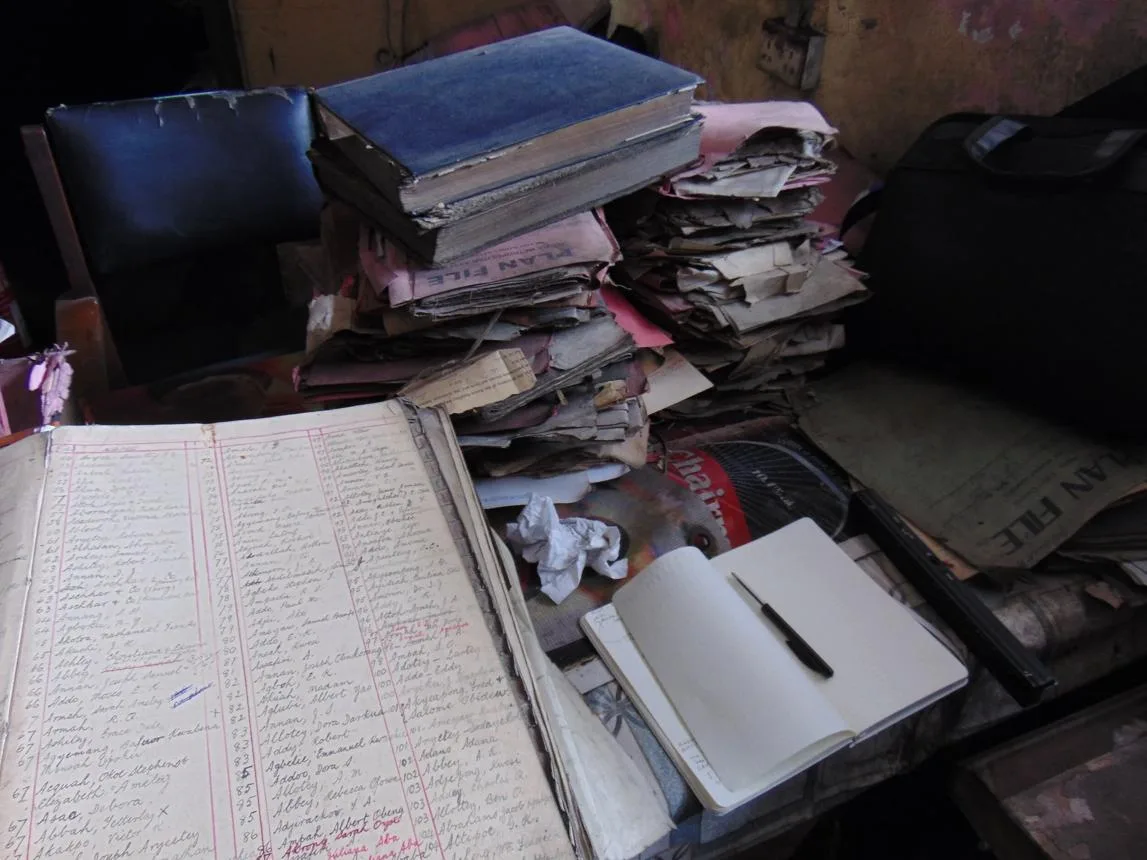
Setting: Cape Coast, Central Region / Accra, Greater Accra Region, Ghana
Date: 12 September 2018
The photograph of Kwame Mensah remained on Professor Henderson’s computer screen.
Beneath his name were three years of payments.
Henderson opened another file.
A child disappeared.
The payments continued.
His hands began to tremble.
“This isn’t an accounting error,” he whispered.
His assistant looked at him.
Henderson stared at the screen.
And beneath that system was something darker—
a currency not measured in money, but in conscience.
At 9:15 that morning, Henderson sent the documents to Uncle Martey.
But this time, he did more.
He sent copies to the investigators.
Bank transaction trails.
And handwritten instructions found inside old files.
At the bottom of the final document was one sentence:
THE CHILDREN WERE REMOVED.
THE MONEY WAS NOT.
Uncle Martey read it twice.
Then his phone rang.
It was the lead investigator.
“Martey, we need to meet.”
The meeting lasted four hours.
An investigator pointed at the payment records.
“Look at the dates.”
Uncle Martey leaned forward.
“What am I looking for?”
“The names disappear from the school records.”
“The payments don’t.”
Another investigator opened a second file.
“And this happened at more than one school.”
Silence filled the room.
Uncle Martey looked at Henderson.
Henderson answered quietly.
“Twenty-three names.”
“Twenty-three children?”
The lead investigator closed the file.
“Then we are no longer investigating missing records.”
He looked around the room.
“We are investigating a criminal network.”
The first arrest happened before dawn.
A former district accounts officer was taken from his home.
But as the investigators led him outside, he turned.
“You don’t understand.”
The investigator stopped.
“I only processed the names.”
“Who gave you the names?”
The man remained silent.
Finally, he whispered:
“You are asking the wrong question.”
“What is the right question?”
The man’s face went pale.
“Who was collecting the money?”
Then he lowered his eyes.
“And who stopped listening to their conscience?”
By midday, another arrest had been made.
A former administrator connected to several schools.
Documents were recovered from his office.
Among them was a handwritten list.
Beside each name was a number.
And beside the numbers were initials.
Henderson studied the page.
“Those aren’t teachers.”
“No,” the investigator replied.
“People who received portions of the money.”
Uncle Martey looked at the initials.
“How high does this go?”
The investigator did not answer.
Instead, he placed another document on the table.
At the top was the name of a senior official.
Everyone became silent.
The trail was no longer just about money.
It was leading toward power.
By evening, the story had leaked.
A journalist received a photograph of one of the documents.
Within minutes, a headline appeared online:
MISSING CHILDREN, CONTINUING PAYMENTS: QUESTIONS GROW OVER SCHOOL RECORDS
Soon, radio stations were discussing it.
Television presenters were asking questions.
Parents were calling in.
Teachers began searching old registers.
Then something unexpected happened.
Former pupils started speaking.
“I remember Kwame Mensah,” one woman said on radio.
Another caller said:
“There was a boy in our class who disappeared. We were told his family had moved.”
A third caller added:
“But his name remained on the register.”
The phone lines became overwhelmed.
And with every call, the truth became clearer.
The system had not only stolen money.
It had taught people to look away.
THE GOVERNMENT SPEAKS
That night, the government spokesperson appeared on television.
“These allegations are being taken seriously,” he said.
“The government has nothing to hide.”
He promised a full investigation.
But the statement did little to calm the public.
Instead, one question spread:
If nobody had anything to hide, why had nobody noticed the missing children?
And beneath that question was another:
What does it cost a nation when conscience disappears from governance?
Three days later, Henderson received the preliminary audit.
He read the first page.
His expression changed.
Uncle Martey noticed.
Henderson pushed the document towards him.
Uncle Martey read the figure.
“This can’t be right.”
Henderson swallowed.
Uncle Martey stared at him.
“So this was never about Kojo.”
“It was about thousands of payments.”
“And the children were simply the names attached to them.”
Uncle Martey looked away.
“The real currency was conscience.”
The political consequences came quickly.
Public confidence in the government began to fall.
People who had defended the administration started demanding answers.
“We voted for them to protect the people’s money,” one supporter said.
Demonstrations followed.
WHERE ARE OUR CHILDREN?
WHERE DID THE MONEY GO?
COUNT THE CHILDREN. COUNT THE MONEY.
The government tried to contain the damage.
But the story had escaped its control.
Every new arrest produced another name.
Every new name produced another question.
And every question led back to the payment system—
and the quiet erosion of conscience that had allowed it to survive.
Back in Cape Coast, Adisa watched the television quietly.
Uncle Martey sat beside her.
Another arrest was announced.
“Are they going to find Kojo?”
She was silent for a moment.
“Why did it take so long?”
Uncle Martey paused.
“Because too many people were afraid to ask questions.”
Adisa looked back at the television.
Then she said quietly:
“Maybe that’s why they were afraid of me.”
Uncle Martey smiled faintly.
That night, an envelope arrived at Henderson’s office.
Inside was a single sheet of paper.
YOU HAVE FOUND THE MONEY.
NOW FIND THE PEOPLE WHO ORDERED THE NAMES.
Henderson stared at it.
“Martey,” Henderson said.
“I think we’ve reached the top.”
Henderson turned the paper over.
There was something written on the back.
Henderson’s breathing stopped.
“Kojo may not be a missing child.”
Uncle Martey’s voice tightened.
“I think Kojo may be the key.”
Henderson stared at the name.
“To the people who built the entire system.”
The next morning, the government announced that several officials had been suspended pending investigation.
But the announcement did little to restore public confidence.
The conversation had changed.
It was no longer simply about money.
It was about children whose names had become numbers.
It was about officials who had looked away.
And it was about a government discovering that public anger could not be managed with press conferences.
Uncle Martey folded the newspaper.
“The investigation is getting bigger.”
“Because maybe somebody will finally find the children.”
Uncle Martey looked at her for a long moment.
Then his phone rang.
Then a man’s voice whispered:
“Tell Adisa to stop looking.”
Uncle Martey’s face hardened.
The arrests had begun.
The government was losing public support.
But somewhere in the shadows, someone was still protecting the truth.
And that person knew exactly who Adisa was.
Thanks for reading.
Havillah Consultants
08/08/2026
*Disclaimer*
———————-
The Currency of Conscience is a work of fiction. The characters, dialogue, investigative team, documents, events and narrative connections are fictional or fictionalised for literary purposes.
The story may draw thematic inspiration from publicly reported issues concerning public-sector accountability, school feeding and the management of public funds. References to real institutions, public figures, reports or allegations, where applicable, should not be interpreted as assertions of criminal conduct.
Allegations remain allegations unless established by a competent court.
The political events, arrests, public reactions and decline in government popularity depicted in this chapter are fictional elements of the story.
The purpose of this series is to encourage reflection on integrity, accountability and the human cost of corruption.