GIS Swoops on Accra Begging Hotspots, 662 Children Among 1,055 Apprehended in Anti-Trafficking Operation
Immigration officers targeted Abossey Okai, Sabon Zongo, Madina Zongo Junction, Madina, Ashaiman and Tema in a major operation against suspected organised street-begging and human-trafficking networks.
1h ago·3 min read
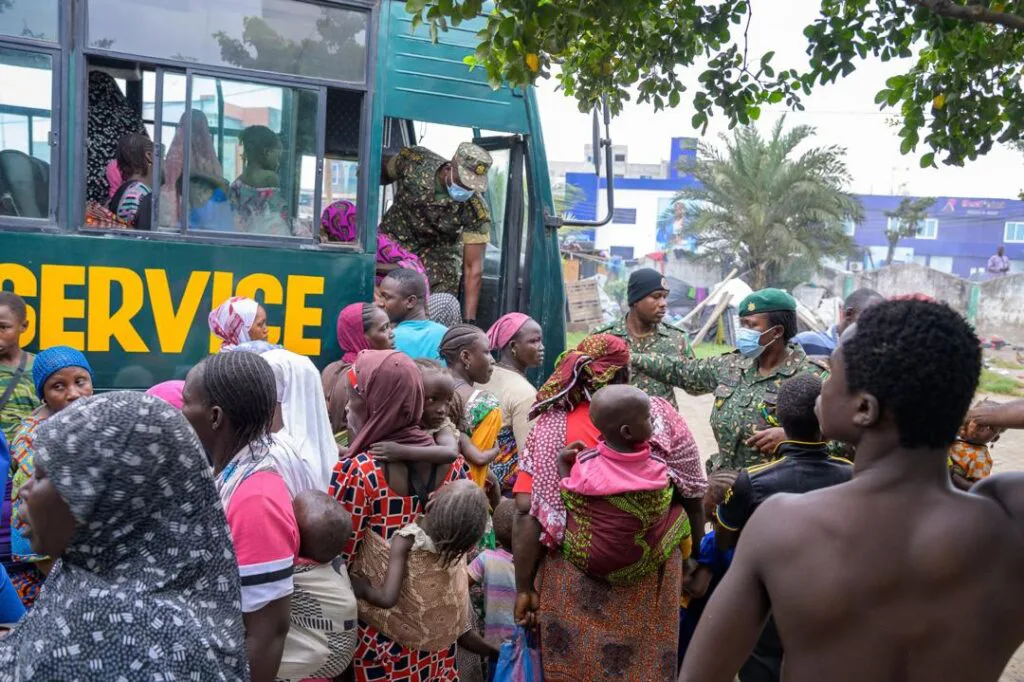
The Ghana Immigration Service (GIS) has apprehended 1,055 people, including 662 children, in a major intelligence-led operation targeting suspected organised street-begging and human-trafficking networks in Accra, Tema and Kumasi.
The operation was conducted in the early hours of Saturday, August 29, 2026, as immigration officers moved into several locations identified as hotspots for street begging and the suspected exploitation of vulnerable foreign nationals.
In Greater Accra, the operation targeted Abossey Okai, Sabon Zongo, Madina Zongo Junction, Madina, Ashaiman and Tema.
Similar operations were conducted in Kumasi at Asawase, Alabar, Akwatia Line, Dagomba Line, Sabon Zongo, Airport Junction and Aboabo.
According to GIS, the exercise resulted in the apprehension of 1,055 people, comprising 662 children, 248 women and 145 men.
The Service said more than 1,000 West African nationals were encountered during the operation, while several Ghanaian nationals suspected of acting as local agents for exploitative begging networks were also apprehended.
662 children raise trafficking concerns
The number of children caught up in the operation has emerged as one of the most significant aspects of the exercise.
Children accounted for almost two-thirds of the 1,055 people apprehended.
GIS said the large number of minors raised serious concerns about the vulnerability of children within organised begging arrangements and pointed to what the Service described as a growing pattern of child trafficking for forced begging on Ghanaian streets.
The Service says criminal networks are suspected of using organised begging as a cover to traffic, control and exploit vulnerable foreign nationals, particularly women and children.
The operation was therefore intended not merely to remove people begging from streets and intersections but to identify potential victims and disrupt the networks allegedly operating behind them.
Some Ghanaian nationals apprehended during the exercise are suspected of facilitating the networks locally.
Further profiling and investigations are expected to establish the circumstances under which those apprehended entered Ghana, identify potential trafficking victims and determine the roles of suspected facilitators.
Woman gives birth after immigration swoop
One unusual development occurred after a Nigerien woman apprehended during the operation complained of feeling unwell.
According to GIS, a medical team assigned to the operation examined the woman and discovered that she was in labour.
She was subsequently transported to a nearby medical facility, where she delivered a baby girl.
The woman remained under medical observation following the delivery and was receiving appropriate care.
Children and other potential victims being profiled
GIS says those rescued have been transferred to a designated holding centre where profiling and immigration procedures are underway.
The Service is also working with relevant state agencies, including the Ministry responsible for gender and social protection, to provide care and protection for people identified as trafficking victims, particularly children.
The distinction is important because while the exercise involves enforcement of Ghana's immigration laws, GIS is also treating potentially exploited people as victims requiring protection.
The Service says the operation forms part of a broader campaign against human trafficking and organised street begging.
In April, immigration officers conducted another operation across Abossey Okai, Zongo Junction, Nima, Madina and Kaneshie that encountered 305 West African nationals, including 113 children.
The significantly larger number involved in the latest exercise suggests authorities are confronting a persistent problem despite previous enforcement operations.
GIS tells public: Stop giving money to migrant child beggars
Comptroller-General of Immigration Samuel Basintale Amadu has meanwhile appealed to members of the public to stop giving money directly to migrant beggars, particularly children.
GIS argues that money collected through street begging can provide an economic incentive for networks that exploit vulnerable people.
The Service believes reducing the profitability of organised begging could make it more difficult for traffickers and their alleged facilitators to continue placing vulnerable people on the streets.
People who want to assist vulnerable children and adults have instead been encouraged to channel donations through the Department of Social Welfare, recognised children's homes, credible non-governmental organisations and other authorised charities.
For residents and motorists in areas such as Madina, Abossey Okai, Sabon Zongo, Ashaiman and Tema, street begging, particularly involving women carrying babies and children approaching vehicles at intersections, has become a highly visible urban issue.
The latest operation suggests authorities increasingly view at least part of that activity not simply as begging or an immigration problem, but as a potential organised human-trafficking and exploitation network requiring investigation.