China’s zero-tariff policy needs government support to benefit Ghana – GUTA
The Ghana Union of Traders’ Associations (GUTA) is pressing government to put in place measures to ensure Ghanaian businesses can take advantage of China’s zero-tariff policy. GUTA President Clement Boateng says Ghana risks missing out on the opportunity if manufacturers are not supported to increase production,...
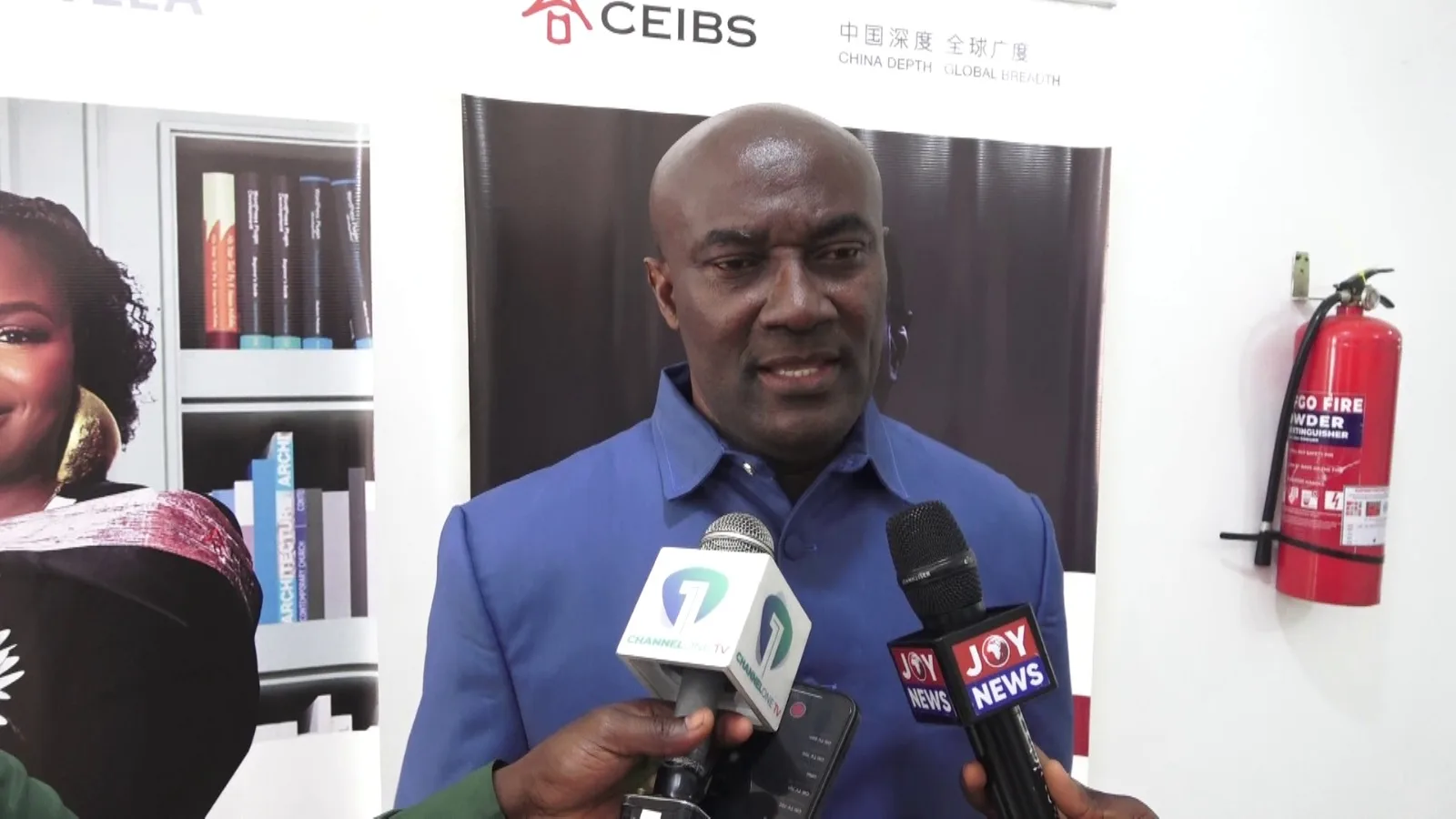
The Ghana Union of Traders’ Associations (GUTA) is pressing government to put in place measures to ensure Ghanaian businesses can take advantage of China’s zero-tariff policy.
GUTA President Clement Boateng says Ghana risks missing out on the opportunity if manufacturers are not supported to increase production, improve standards and become competitive on the international market.
Speaking to the media on the sidelines of a High-Level Ghana-China Zero Tariff Policy Roundtable, Clement Boateng said Ghana’s experience with other duty-free trade arrangements shows that access to preferential tariffs alone is not enough to drive exports.
“We have other zero or quota-free tariffs that we have already been enjoying. You can talk of the AGOA, that is the Africa Growth Opportunity Act being offered to us by the US government. You can also talk of the EPA, that is the Economic Partnership Agreement being offered to us by the European Union. Have we taken advantage of those tariff-free and quota-free arrangements? I would say no. No, because we are being constrained by a number of factors,” he said.
Clement Boateng attributed the limited benefits to challenges including inadequate long-term financing for manufacturers, high utility costs and difficulties meeting international product standards.
According to him, manufacturers often struggle to secure financing that matches the long period required to establish factories and commence production.
“If you even want to set up a factory, you need about six to one year to set up a factory before you go into testing of the machines, and then you go into production,” he stated.
Clement Boateng argued that banks’ short repayment periods make it difficult for manufacturers to invest in production capacity.
“We need a long-term funding and because our banks are not prepared to do that, our manufacturers are found wanting,” he added.
He also identified utility tariffs as another major constraint to the competitiveness of Ghanaian manufacturers, alongside challenges with packaging, finishing and compliance with standards required in export markets.
GUTA is therefore calling on government to support manufacturers with financing and competitive utility tariffs to enable them expand production for export.
“The onus lie on us to be able to position ourselves and by positioning ourselves, I am urging government to come to the aid of these manufacturers so that they will be able to take advantage of this zero-tariff policy,” Clement Boateng stressed.
He said Ghana should focus on sectors where local businesses have a competitive advantage and can source raw materials domestically.
Clement Boateng cited a local tile manufacturer exporting to European markets as evidence that Ghanaian companies can compete internationally when they have the necessary resources and capacity.
“If government will assist these companies in terms of funding, in terms of giving them well-deserved tariffs of utilities, then I think we can take advantage and try as much as possible to move into the productive sector and make those exports into the Chinese area,” he said.
China’s zero-tariff policy therefore presents an opportunity for Ghana to expand exports, but GUTA says government support will be critical to turning the market access into increased production and export earnings.