Hotels urged to embrace energy efficient strategies
Hotel owners and managers across the country are being encouraged to adopt energy-efficient practices to reduce operating costs, improve profitability and contribute to Ghana's sustainable energy agenda. The call forms part of the Energy Commission's (EC) intensified nationwide campaign on energy efficiency and conserv...
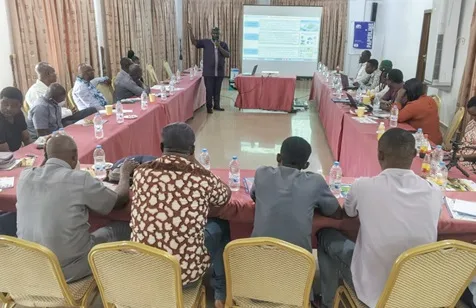
Hotel owners and managers across the country are being encouraged to adopt energy-efficient practices to reduce operating costs, improve profitability and contribute to Ghana's sustainable energy agenda.
The call forms part of the Energy Commission's (EC) intensified nationwide campaign on energy efficiency and conservation targeting the hospitality industry, one of the country's major consumers of electricity. The initiative is being implemented under the commission's 2026 hospitality-sector sensitisation programme, which seeks to strengthen compliance with new energy efficiency regulations and build the capacity of hotel operators in energy management.
Speaking at a stakeholders' engagement on new energy efficiency regulations and the training of energy managers in the hospitality sector, Manager, Energy Efficiency Regulations at the Energy Commission, Hubert Nsoh Zan, said efficient energy use had become critical to the sustainability and competitiveness of hotels and guest houses.
He explained that hospitality facilities depended heavily on electricity-powered equipment, including air conditioners, refrigerators, water heaters, lighting systems, laundry equipment and kitchen appliances, making energy management a major component of their operational expenditure and causing them to spend substantial amounts on electricity due to the use of inefficient appliances and poor energy conservation practices.
He advised operators to consider the lifetime energy costs of equipment rather than focusing solely on the initial purchase price.
"Lower-priced appliances may appear attractive at the point of purchase, but they often consume more electricity and result in higher utility bills over time," he said.
Mr Zan noted that energy efficiency and conservation not only help businesses reduce costs but also contribute to national energy security and environmental sustainability.
He said hotels that invest in energy-efficient technologies and implement sound energy management systems stand to benefit from lower electricity bills, improved operational efficiency and enhanced customer comfort.
The Northern Regional Chairman of the Ghana Hoteliers Association, Gilbert Dery, described the engagement as timely, saying it had provided hotel operators with practical solutions for managing energy consumption and improving profitability.
He observed that many hotels were grappling with rising electricity costs, adding that power expenditure accounts for nearly 60 per cent of operational costs in some hospitality establishments because of their dependence on electrical appliances.
Mr Dery said the training had broadened participants' understanding of energy management and highlighted the importance of investing in energy-efficient equipment.
He cited technologies such as motion sensors and photocells as effective tools for reducing unnecessary electricity consumption and lowering operational expenses.
He,therefore, urged hotel operators to embrace energy-efficient technologies and best practices to ensure the long-term sustainability of their businesses while supporting national efforts to conserve energy.
The General Manager of the Modern City Hotel, Ms Abigail Adjei, also appealed to hotel guests to use electrical appliances responsibly to minimise energy wastage.
She noted that some patrons leave air conditioners, televisions, lights and other appliances running even when they are not in use, leading to increased electricity consumption and higher operating costs for hotel operators.
Ms Adjei also urged guests to support energy conservation efforts by switching off appliances when not in use and adopting responsible energy-use habits during their stay.
As Ghana pursues a more sustainable energy future, stakeholders believe that empowering businesses with the knowledge and tools to manage energy efficiently will not only improve profitability but also contribute significantly to national efforts to conserve energy resources and protect the environment.