A gold-rich African nation is losing $700 million worth of gold for a surprisingly common reason
Malawi is currently facing a severe economic drain as hundreds of millions of dollars in gold are illegally smuggled out of the country every year.

Malawi is currently facing a severe economic drain as hundreds of millions of dollars in gold are illegally smuggled out of the country every year.
- Malawi is losing up to $700 million worth of gold annually due to illegal smuggling.
- This illicit trade deprives local communities and the government of their share of mineral wealth.
- The lack of accessible, official gold trading infrastructure has pushed small-scale miners towards black market buyers.
- The government is planning to create mining cooperatives and structured gold-buying channels.
This illicit gold trade leaves local communities and the state without their rightful share of the nation's mineral wealth. The government is now taking steps to clean up the sector and halt the flow of smuggled resources.
The massive scale of illicit gold smuggling in Malawi
The true scale of the crisis was recently brought to light by Professor Leonard Kalindekafe, the Chief Executive Officer of the Malawi Mining Investment Company (Mamico).
According to Professor Kalindekafe, Malawi is losing up to a staggering $700 million worth of gold annually to illegal smuggling.
DON'T MISS THIS: Africa’s largest gold producer ends central bank gold-buying arrangement
He emphasized that this massive loss reveals an "urgent need for stronger government structures to ensure gold mined in the country is formally traded, rather than disappearing across the border into the hands of illegal buyers.".
Why gold is disappearing across the borders
The root of this massive smuggling problem lies in a common issue: the lack of accessible, official infrastructure for local miners.
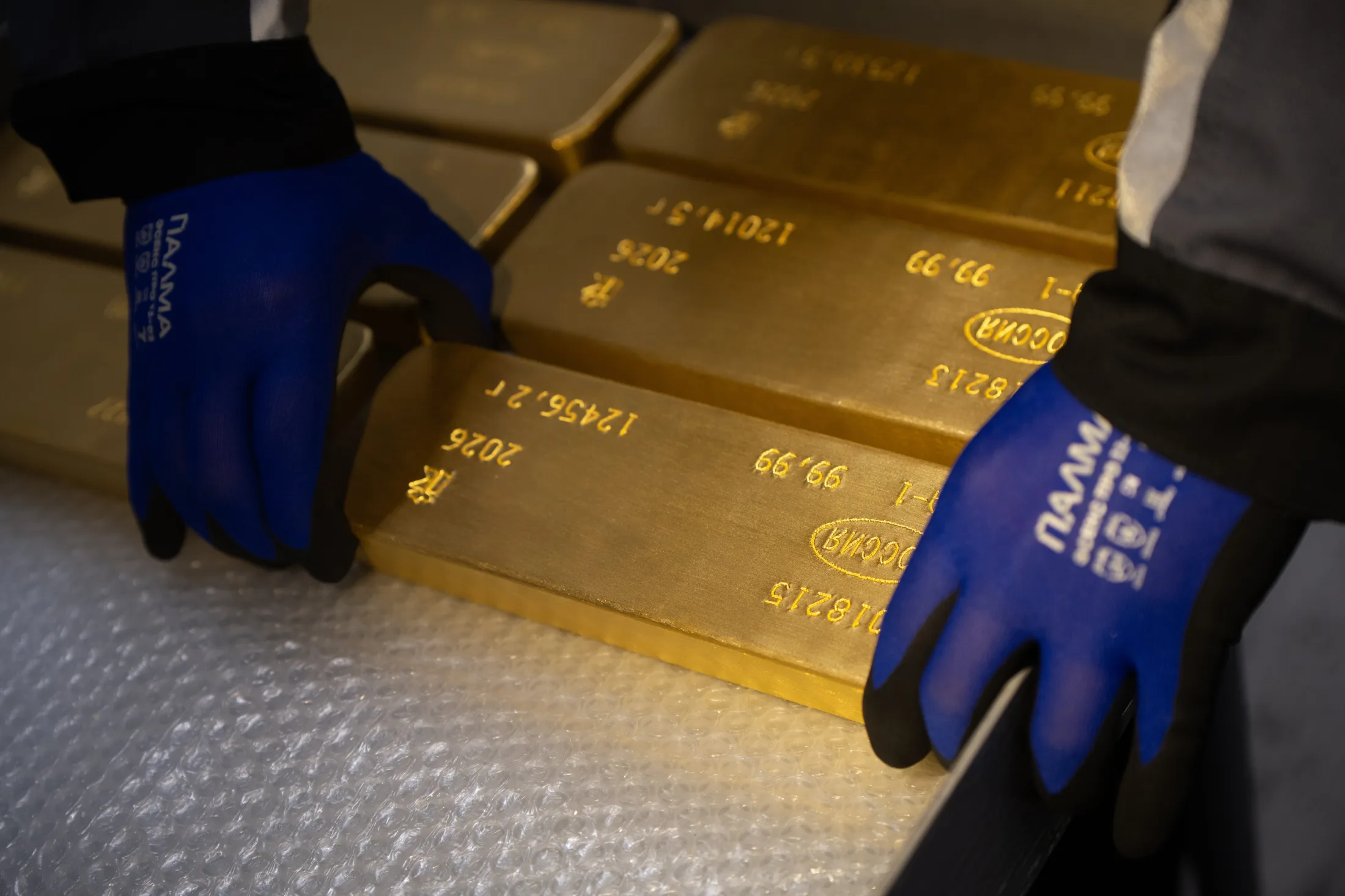
For a long time, the country's mining industry has been plagued by illicit trading because there have not been sufficient formal buying networks in place.
DON'T MISS THIS: Canadian explorer reports visible gold across 50 kilometres of Ghana’s coast after completing massive offshore survey
Without close, legitimate options, small-scale miners frequently turn to the black market, selling their gold to unauthorized buyers who easily smuggle it out of the country.
Bringing formal channels closer to the miners
To combat this trend, Malawi's government is taking direct steps to reform the sector and establish order.
Mining Minister Thoko Tembo announced that Mamico is in the process of forming mining cooperatives and structured gold-buying channels.
During a recent tour of gold mining sites in Chimbiya, Kasungu District of Central Malawi, Minister Tembo explained that the government plans to position official buying points directly within mining communities.
According to Nasa Times, Tembo revealed that this initiative is designed to make "it far easier for miners to sell their gold through legitimate, formal channels rather than the black market."
DON'T MISS THIS: One of the world’s largest gold producers could be the next country in Africa to ban the trade of all of its most precious exports
The goal of these new structures is to ensure that all gold produced in the country is sold exclusively through official avenues, allowing the state and local citizens to finally benefit from their natural resources.
Not a Malawi problem only: other African countries face the same challenge
As Business Insider Africa has reported, illegal gold mining and smuggling is a continent-wide challenge, with other gold-producing nations struggling with similar threats to their economic sectors.
In Mali, which is Africa's third-largest gold producer, the government recently announced the creation of a specialised law enforcement unitto crack down on illegal mining involving both local and foreign operators.
Similarly, Cameroon is intensifying efforts to clean up its gold mining sector after authorities identified nearly200 illegal mining companies operating across its East and Adamawa regions, with more than 95% of them reportedly foreign-owned.
Meanwhile, Ghana is tackling illegal mining even at high political levels; on July 20, 2026, an Accra High Court sentenced senior opposition politician Bernard Antwi Boasiako to20 years in prisonafter his conviction on multiple charges linked to illegal gold mining.
Despite these deep challenges, governments across the continent are highly alert to these problems and are taking active measures to tighten oversight of their important economic sectors.