Kojo Addae-Mensah warns GFA club funding risks creating dependency without sustainable revenue
Sports analyst Kojo Addae-Mensah has cautioned that the Ghana Football Association’s increased financial support for clubs will provide only temporary relief unless clubs are helped to develop sustainable sources of revenue. Speaking on the Asaase Breakfast Show on Friday (21 August) after the GFA Congress at Prampram,...
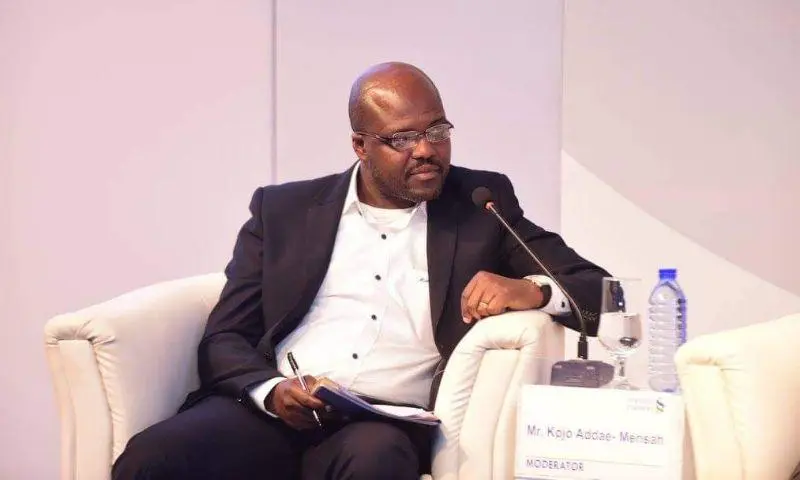
Sports analystKojo Addae-Mensah has cautioned that the Ghana Football Association’s increased financial support for clubs will provide only temporary relief unless clubs are helped to develop sustainable sources of revenue.
Speaking on theAsaase Breakfast Show on Friday (21 August) after the GFA Congress at Prampram, Addae-Mensah said the latest financial interventions were welcome but questioned whether they would produce lasting improvements in Ghana’s football ecosystem.
His comments followed announcements at the congress that Division One clubs would receive GH¢120,000 each, while Women’s Premier League clubs would receive GH¢100,000 each, with officiating costs also being absorbed.
The GFA also announced financial support for Premier League clubs, including GH¢1 million for each club for the 2026/27 season.
“It’s not sustainable. That’s my view,” Addae-Mensah said of continued reliance on financial support from the association.
He said Ghana’s football authorities should instead consider mechanisms that encourage clubs to generate their own income, pointing to financial sustainability regulations used in European football.
“It’s not a wrong thing, the FA knowing the problems of their members and trying to give them some light. It’s a long line. It’s breathing space. It’s a temporary release. It’s not sustainable,” he said.
Addae-Mensah argued that clubs could become increasingly dependent on GFA support because many are already struggling to meet basic operational costs.
He cited the example of clubs that have had to rent buses to travel for matches, saying the provision of transport support could immediately solve a major problem and naturally encourage clubs to seek further assistance.
But he warned that such interventions could become problematic if clubs do not simultaneously develop independent revenue streams.
“The freebies will dry out,” he said, questioning what would happen if a future GFA administration decided to abandon the current approach.
Addae-Mensah said Ghana should develop its own framework for financial sustainability rather than relying indefinitely on injections of money.
He suggested that football authorities should create rules requiring clubs to operate on a financially sustainable basis, while recognising that individual clubs could have different business models.
“You cannot prescribe the KPI and every club has some clubs, all they need is to stay in the league, develop players, sell,” he said.
He said some clubs could focus on player development and sales, while others might pursue different commercial models.
The analyst also questioned whether the success of the GFA’s investments should be measured primarily by the amount of money distributed.
He said the real test should be whether the investments eventually produce stronger clubs, better players, improved competitions and a financially sustainable football industry.
Addae-Mensah also raised concerns about transparency in the management of football finances.
Although he acknowledged that the GFA is a private association entitled to make its own rules, he argued that football’s unique public and commercial reach meant that the association should be more open to scrutiny.
“Even though it’s a private institution and a private entity, we should open up some more,” he said.
He said football differed from other private organisations because its product draws tens of thousands of people to stadiums and commands broad public interest.
“It is the only product that when they put out, they expect 50,000 people to come and buy into it,” he said.
Addae-Mensah said greater openness would allow stakeholders to better understand the association’s decisions and contribute to the development of Ghanaian football.
The GFA’s recent congress was dominated by announcements on financial support, welfare, youth development and investment in domestic competitions, but Addae-Mensah said the effectiveness of the measures would ultimately depend on execution.
“I think I’m old enough to have heard almost everything that has been said before in one shape or the other,” he said.
“What has been said” was not the main concern, he added, but whether the initiatives could be implemented sustainably.