AfDB disburses $10.41 million to Ghana to strengthen governance and advance climate action
Ghana has secured a $10.41 million grant from the African Development Bank Group to tighten its public financial systems and push forward inclusive, climate-resilient growth. The funding, approved by the Bank’s Board, is expected to bolster transparency and strengthen economic governance at a critical time for the coun...
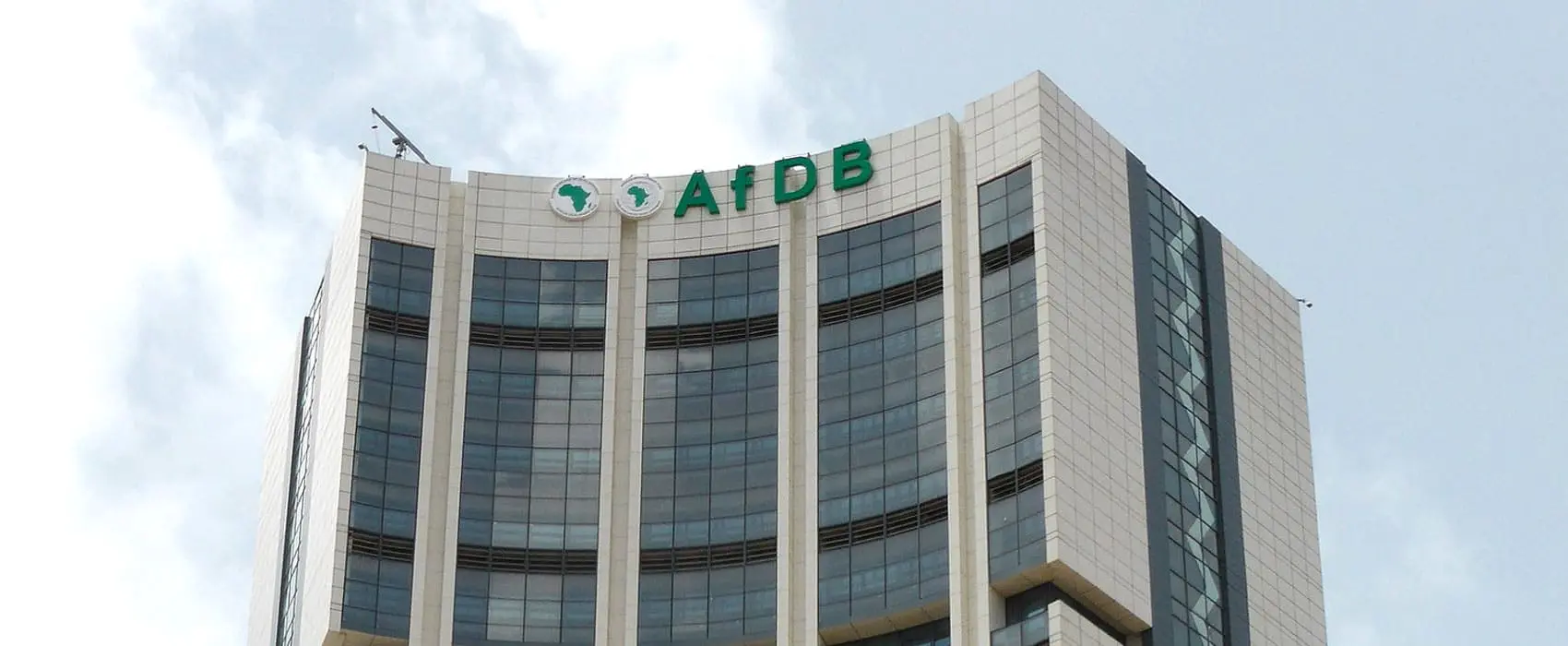
Ghana has secured a $10.41 million grant from the African Development Bank Group to tighten its public financial systems and push forward inclusive, climate-resilient growth.
The funding, approved by the Bank’s Board, is expected to bolster transparency and strengthen economic governance at a critical time for the country.
The grant, sourced from the Bank’s concessional arm, the African Development Fund will finance the Strengthening Institutions for Enhanced Financial and Economic Governance (SIEFEG) project.
The initiative is designed to improve domestic revenue mobilisation, enhance oversight of public spending, and support the preparation of Ghana’s next national development plan with a focus on gender inclusion and climate resilience.
The intervention comes on the back of recent macroeconomic gains, with Ghana’s GDP growth rising to 5.8% in 2025 from 5.6% the previous year. Inflation has also eased significantly, dropping to 3.3% in February 2026, well below the central target band.
Fiscal performance has improved, with the deficit narrowing to 2.4% of GDP, while public debt has declined sharply to 45.3% of GDP from 61.8% in 2024. The current account surplus has also strengthened to 4.4% of GDP.
However, beneath these gains lies a more troubling reality. Economic growth has not translated into broad-based benefits, with unemployment and inequality still deeply rooted, prompting renewed calls for structural reforms.
Under SIEFEG, key state institutions including the Ministry of Finance, National Development Planning Commission, Ghana Audit Service, Public Procurement Authority, Parliament, the Central Tender Review Committee, and the Department of Gender, will receive targeted capacity support to improve how public resources are mobilised, allocated, and monitored.
The project builds on an earlier governance programme backed by the Bank in 2019.
“By investing in governance systems today, we are supporting Ghana in building a more transparent, accountable, and resilient economy,” said Lamin Barrow.
Beyond institutional reforms, the initiative is expected to expand fiscal space, improve the efficiency of public expenditure, and create a more enabling environment for private sector growth and job creation.
The project aligns with Ghana’s long-term development blueprint, including Vision 2057 and the Agenda for Jobs, while also fitting into the Bank’s strategic frameworks such as its Country Strategy Paper (2024–2029), Economic Governance Strategy (2021–2025), and broader Ten-Year Strategy.
With the funding now approved, attention shifts to implementation, where the real test will be whether improved governance can finally translate Ghana’s economic gains into tangible benefits for ordinary citizens.