GRA uncovers $31bn trade irregularities, rolls out AI system to curb revenue leakages
The Commissioner-General of the Ghana Revenue Authority (GRA), Anthony Sarpong, says a recent review of trade data has revealed significant gaps in Ghana’s import monitoring system, including billions of dollars in unexplained foreign transfers. According to him, a five-year analysis of customs and trade records showed...
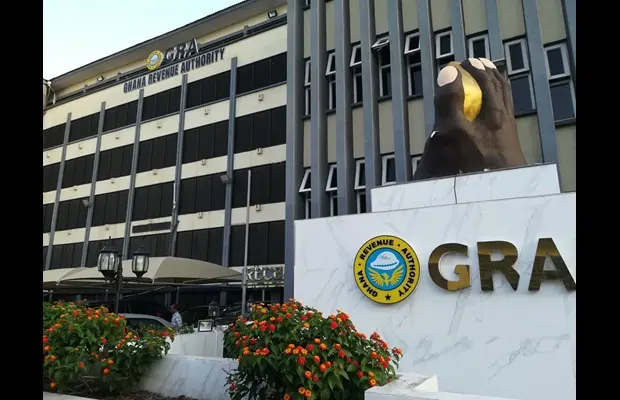
The Commissioner-General of the Ghana Revenue Authority (GRA), Anthony Sarpong, says a recent review of trade data has revealed significant gaps in Ghana’s import monitoring system, including billions of dollars in unexplained foreign transfers.
According to him, a five-year analysis of customs and trade records showed that about $31 billion was transferred out of the country without corresponding goods being imported, raising concerns about systemic weaknesses at the ports.
Sarpong described the findings as alarming, noting that they expose long-standing challenges in import declaration, valuation and classification processes.
He explained that the discrepancies go beyond documentation errors, warning that they also have serious implications for foreign exchange management and national revenue mobilisation.
The GRA boss further revealed that investigations identified instances of collusion involving some customs officials, shipping line personnel and importers, which facilitated the leakages.
To address the problem, he said the Authority has moved to reduce human discretion in key processes, which he described as a major source of vulnerability in the system.
As part of reforms, the GRA has introduced automation and artificial intelligence tools to strengthen oversight of imports, including real-time verification of declared goods against global benchmarks.
A key feature of the reforms is the new “Publican” system, launched on 12 March 2026, which uses digital tracking and data analytics to flag suspicious import transactions before clearance.
The system replaces largely manual checks with automated monitoring, enabling authorities to detect inconsistencies in valuation, classification and country-of-origin declarations more quickly.
Sarpong said the technology-driven approach is expected to significantly reduce revenue leakages at Ghana’s ports, which have been linked to under-declaration, misclassification and diversion of transit goods.
He stated that recent shortfalls in customs revenue and sanctions against some officials highlighted the urgency of reforming the system.
The GRA believes the shift to AI-driven enforcement will improve efficiency, strengthen compliance and restore confidence in trade administration.