Tarbang Development Association raises alarm over surge in galamsey on Black Volta River
The Tarbang Development Association (TaDA), a community-based organisation in the Kintampo North Municipality of the Bono East Region, has raised fresh concerns over what it describes as a rapid escalation of illegal mining (galamsey) activities along the Black Volta River. The association is warning that the growing s...
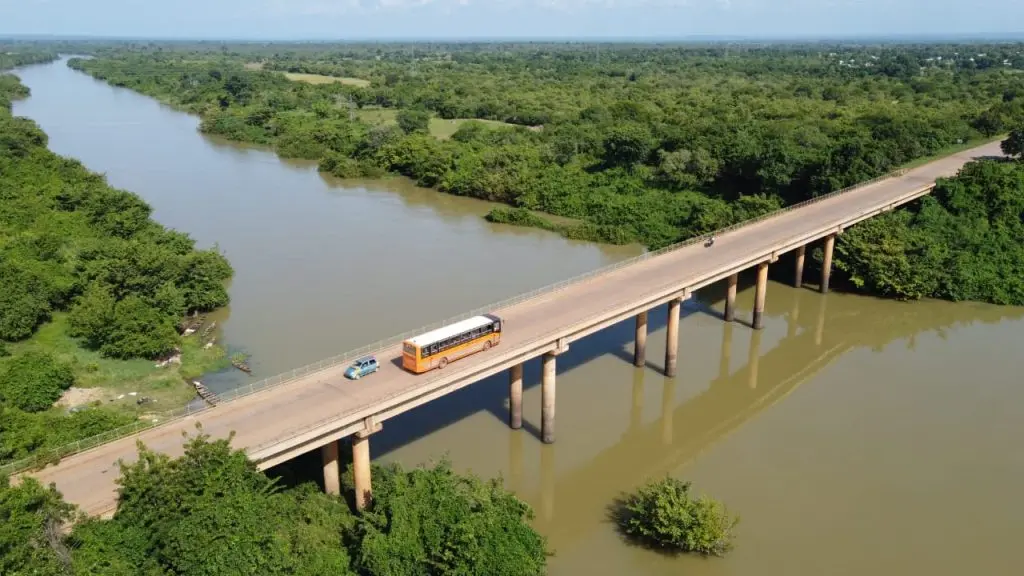
The Tarbang Development Association (TaDA), a community-based organisation in the Kintampo North Municipality of the Bono East Region, has raised fresh concerns over what it describes as a rapid escalation of illegal mining (galamsey) activities along the Black Volta River.
The association is warning that the growing scale of operations along the river poses a serious threat to water safety, livelihoods and public health, urging urgent intervention from state authorities and traditional leaders.
In a statement issued on Saturday, 11 April 2026, TaDA said the situation, which has spread across several riverbank communities, is worsening at an alarming rate and now requires immediate national attention.
The group, which is based in Ntraban and made up of indigenes of the area, said illegal mining activities along the Black Volta have expanded significantly in recent months, moving from isolated points to multiple communities along the river corridor between Bamboi and Buipe.
Communities affected include Gwere, Kandige, Busuama, Yara, Tefoboi and Bewele. The association also claimed that some of the miners are crossing over from Babato in the Bole District of the Savannah Region, while others are reportedly operating from Bamboi.
TaDA expressed concern that the development comes at a time when government has intensified its national fight against illegal mining, adding that the situation on the Black Volta appears to be deteriorating despite ongoing enforcement efforts.
The association further disclosed that new illegal mining sites have emerged in Ntraban and Tefoboi as recently as December 2025, even after engagements with traditional authorities and other stakeholders in the area.
It also criticised what it described as limited response from some local actors, including silence from assembly members and insufficient sustained enforcement by relevant authorities, despite awareness at the level of the Municipal Chief Executive and the Member of Parliament.
On the environmental and economic implications, TaDA warned that the Black Volta remains a major source of fish supply to markets in Kintampo, Techiman, Ejura, Mampong, Tamale, Buipe and Yeji/Makango, cautioning that contamination upstream could trigger wider public health risks across the country.
It said communities as far as Kumasi and Damongo could also be affected if the degradation of the river continues unchecked.
While acknowledging recent efforts by the Kintampo North Municipal Security Council (MUSEC), including arrests of illegal miners in Busuama, the association said such gains have been short-lived, as operators reportedly return to sites shortly after enforcement actions.
TaDA also noted that petitions submitted by other youth groups, including the D3ga Land Association, to the Municipal Chief Executive and traditional authorities have yet to yield decisive action.
The group is therefore calling on the Bono East Regional Minister, the Chairperson of RESEC, the Water Resources Commission, the Minister for Lands and Natural Resources, and the President to prioritise urgent intervention to protect the Black Volta.
Among its proposals, TaDA is advocating the deployment of military or NAIMOS teams to affected communities, stricter enforcement of anti-galamsey laws, and the introduction of performance-based accountability for MMDCEs in districts along the river.
It is also recommending sanctions for chiefs and assembly members who permit illegal mining activities in their jurisdictions, the establishment of community monitoring structures such as “Blue Water Guards,” and intensified action against financiers believed to be backing the operations.
The association stressed that without immediate and coordinated action, the Black Volta risks suffering the same level of environmental destruction already witnessed in other water bodies across the country.