Mining generates billions for Ghana, but local benefits lag — Chamber
Ghana retains more than 60 percent of mining revenues through taxes, royalties and state participation, but mining communities continue to see limited direct benefits, according to the head of the Ghana Chamber of Mines. Chief executive Ken Ashigbey said the country’s fiscal regime — including a 35 percent corporate ta...
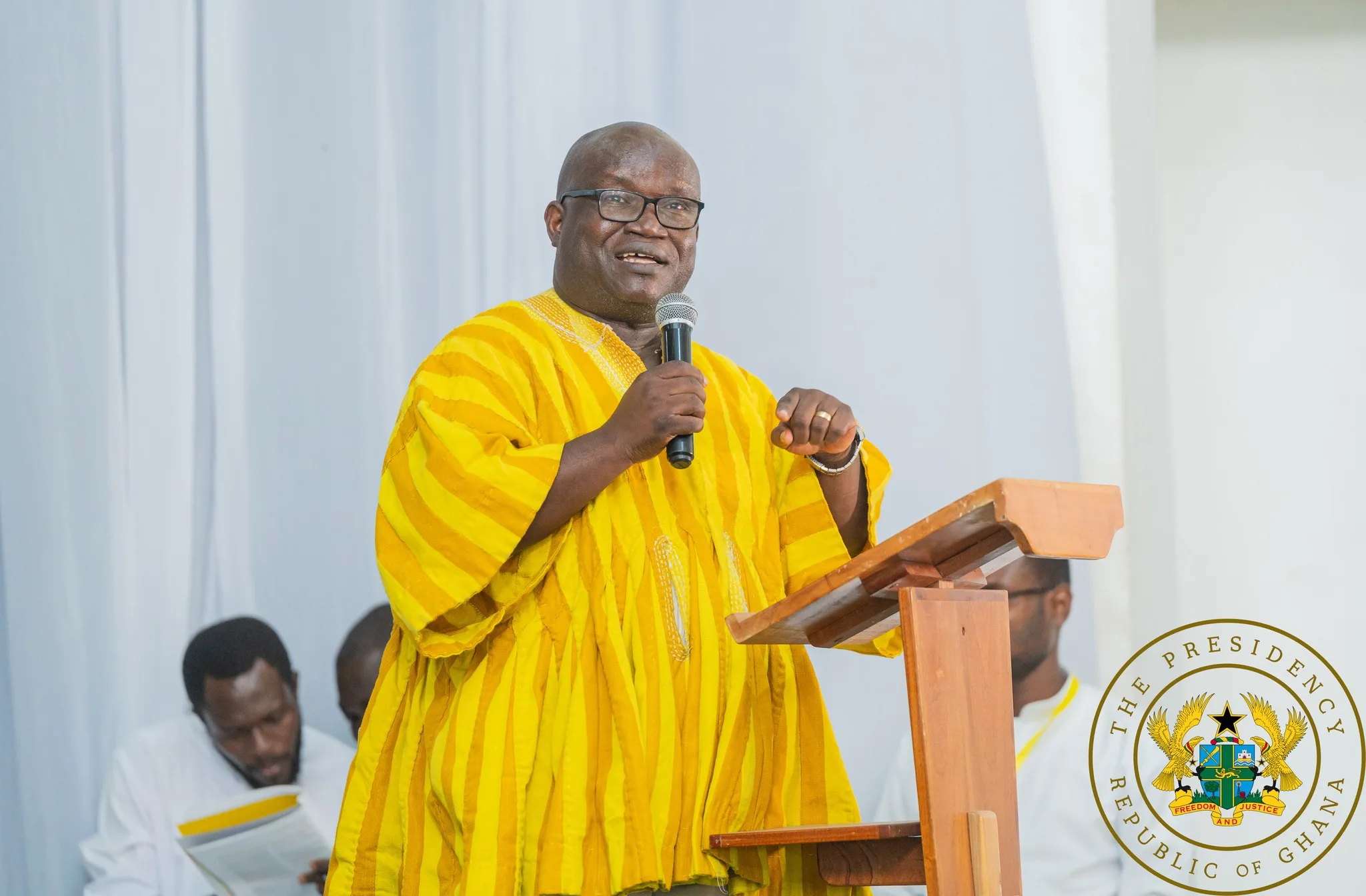
Ghana retains more than 60 percent of mining revenues through taxes, royalties and state participation, but mining communities continue to see limited direct benefits, according to the head of theGhana Chamber of Mines.
Chief executive Ken Ashigbey said the country’s fiscal regime — including a 35 percent corporate tax, royalties of up to 12 percent, and a 10 percent carried state interest — ensures significant government earnings from the sector.
“Government takes over 60 percent of the value that comes from mining,” he said.
However, he questioned how much of this revenue reaches host communities where extraction takes place, calling for structural reforms to address the imbalance.
“The key issue is not just how much Ghana earns, but how much returns to the communities,” he said.
Ashigbey renewed calls for a Mineral Revenue Management Act to ring-fence a portion of mining income for local development, proposing that up to 30 percent of royalties be directed to affected areas.
He also highlighted disparities between large-scale and small-scale mining contributions. While large-scale miners produced nearly three million ounces of gold and paid about 19 billion cedis in taxes, the small-scale sector — which he said accounts for roughly 52 percent of output — contributed just 0.5 million cedis.
“That imbalance shows the urgent need to formalise the small-scale sector so it contributes meaningfully to national revenue,” he said.
Beyond taxation, Ashigbey argued that Ghana should focus on building value across the mining supply chain, including local production of inputs and services, and increasing Ghanaian participation through joint ventures and stock market listings.
“Mining should not be judged by the ounces we produce, but by the value we create in the economy,” he said, adding that the sector should serve as a catalyst for industrialisation and long-term development.
He called for a “complete rethink” of how mining revenues are managed, warning that without reform, the country risks extracting resources without building sustainable economic gains.