Government maintains GH¢2 diesel relief as September fuel pricing window begins
The GH¢2-per-litre reduction in the regulatory margin on diesel has been extended into the first September pricing window, helping cushion motorists from a steeper price increase.

5h ago·3 min read
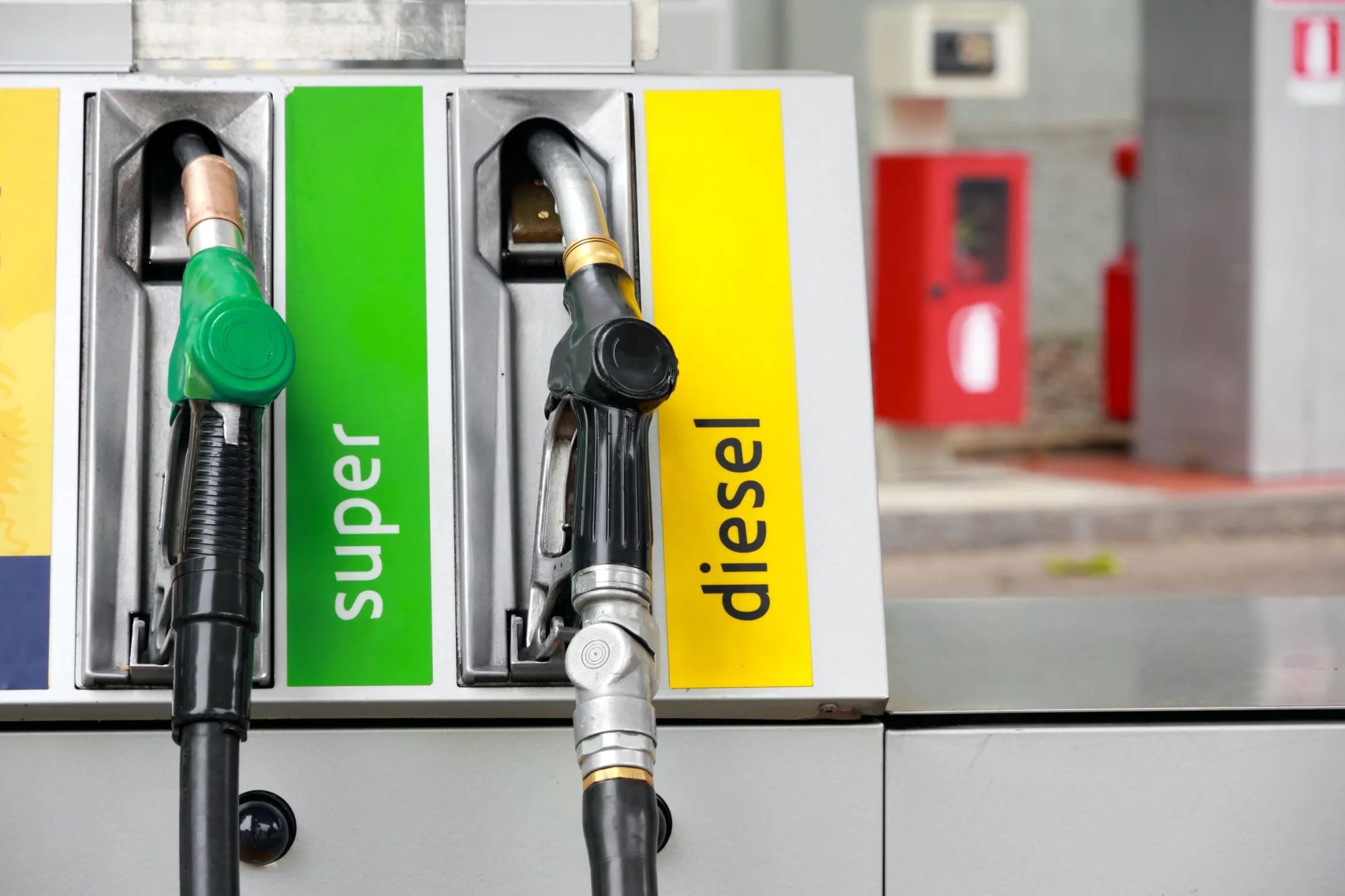
Fuel pricing in Ghana has entered a new window from Tuesday, September 1, 2026, with higher regulatory price floors for petrol and diesel taking effect across the country.
The National Petroleum Authority’s new price floors for the September 1 to September 16 pricing window place the minimum price of petrol at GH¢14.53 per litre, up from GH¢13.92 per litre.
That represents an increase of 61 pesewas per litre, or approximately 4.4%.
Diesel has also recorded an increase at the regulatory floor, moving from GH¢15.19 per litre to GH¢15.60 per litre, representing a rise of 41 pesewas, or about 2.7%.
Liquefied Petroleum Gas, however, has moved in the opposite direction.
The LPG price floor has declined from GH¢10.98 per kilogramme to GH¢10.85 per kilogramme for the new pricing window.
The latest pricing window also comes with an extension of government’s intervention aimed at reducing the impact of high diesel prices on consumers.
The GH¢2-per-litre reduction in the regulatory margin on diesel, which had initially been expected to end in August, has been extended into the first September pricing window.
The measure is intended to cushion motorists, transport operators and businesses from a sharper increase in diesel prices.
Industry projections suggest the intervention could help keep average diesel pump prices at around GH¢17.60 per litre, although actual prices will depend on individual Oil Marketing Companies.
Petrol has meanwhile been projected at an average of about GH¢16.39 per litre during the period.
These figures are projections and should not be interpreted as uniform prices that every filling station will charge.
The NPA price floor represents the minimum level at which petroleum products can be sold under the regulatory framework.
Actual pump prices are determined by individual Oil Marketing Companies after accounting for factors including their supply costs, operational expenses, marketer margins, dealer margins and competitive pricing strategies.
This means motorists could see different prices at GOIL, Star Oil, Shell, TotalEnergies, Puma and other filling stations even within the same city.
Some companies may also choose to absorb part of an increase or delay adjustments depending on their existing stock and commercial strategy.
As of Tuesday morning, major OMCs had not all published sufficiently verified new station-level prices to establish a complete nationwide picture of what motorists will pay under the new window.
DailyAccra’s live fuel-price tracker will therefore continue monitoring individual stations across all 16 regions as revised pump prices are announced and implemented.
Fuel prices remain a major component of household and business costs in Ghana.
Changes in petrol and diesel prices can affect commercial transport fares, haulage costs, food distribution, manufacturing and the prices of other goods and services.
Diesel pricing is particularly important for businesses that depend on heavy-duty vehicles, generators and long-distance transportation.
The extension of the government intervention is therefore expected to reduce some of the immediate pressure that could have accompanied the latest upward adjustment.
September 1–16 price floor changes
Petrol: GH¢13.92/L → GH¢14.53/L
Diesel: GH¢15.19/L → GH¢15.60/L
LPG: GH¢10.98/kg → GH¢10.85/kg
The new pricing window runs from September 1 to September 16, 2026.