Social media amplifying risks as free speech tensions rise in Ghana — Sangmorkie Tetteh
The rapid expansion of social media is exposing more Ghanaians to legal risks over public commentary, a media consultant has warned, urging greater public education on responsible speech. Sangmorkie Tetteh, a former television presenter and producer, said on Asaase Radio’s TownHall Talk on Friday (22 May) that digital...
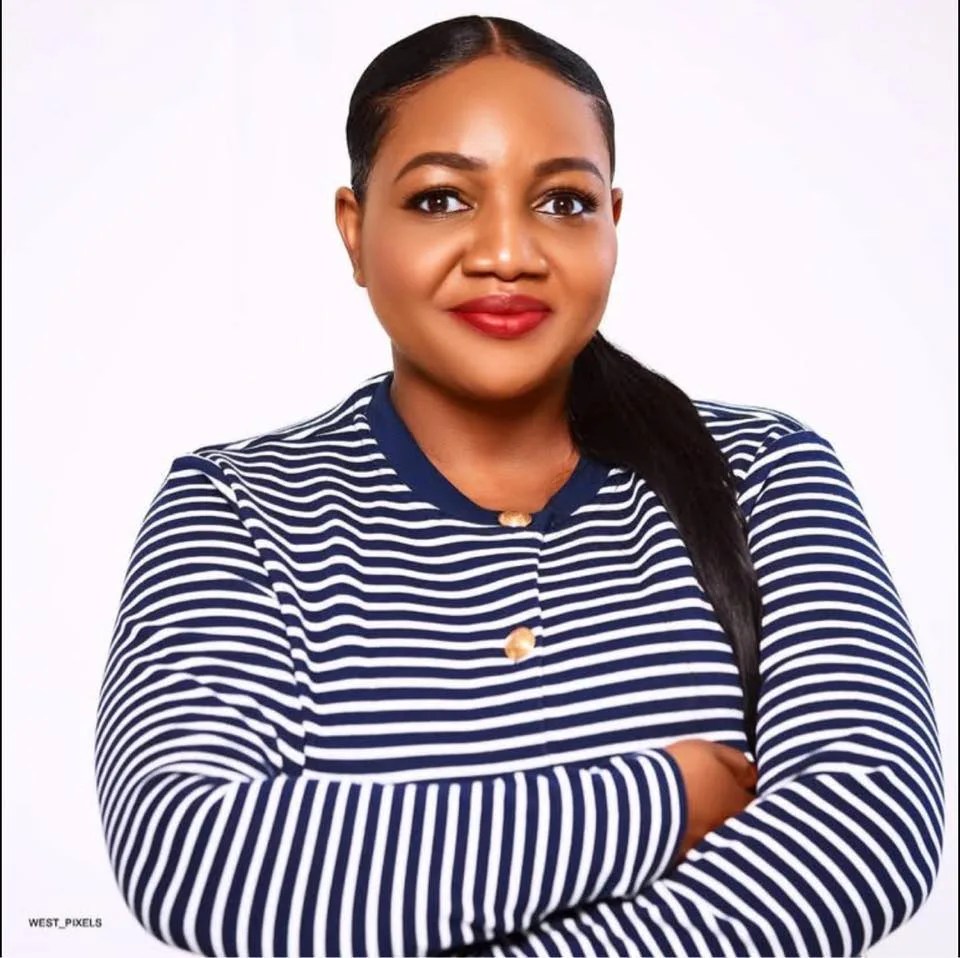
The rapid expansion of social media is exposing more Ghanaians to legal risks over public commentary, a media consultant has warned, urging greater public education on responsible speech.
Sangmorkie Tetteh, a former television presenter and producer, said on Asaase Radio’s TownHall Talk on Friday (22 May) that digital platforms have significantly increased the reach — and consequences — of individual expression.
“With social media, anything you say can travel far beyond your immediate audience,” she said. “Something you post to a few followers can suddenly go viral.”
She attributed recent arrests linked to speech to a combination of factors including misinformation, inflammatory language, and lack of understanding of legal limits.
“People make wild allegations without proof, rely on hearsay, or use insulting and threatening language — these are clear triggers for legal action,” she said.
Tetteh highlighted threats and incitement as particularly serious offences.
“The moment you call for harm or threaten someone, you cannot expect to go scot-free,” she said.
She also warned against the spread of manipulated content, including doctored videos and images, which can damage reputations and expose users to liability.
“Sharing unverified or altered content can land you in trouble if it affects someone’s reputation,” she added.
While acknowledging concerns about arrests, she said not all cases should be viewed as suppression of free speech, distinguishing between legitimate criticism and unlawful expression.
Referring to recent incidents, she said some cases — particularly involving threats — were clearly problematic, while others raised questions about proportionality.
“There are instances that raise eyebrows, but others are clearly beyond acceptable limits,” she said.
Tetteh called for expanded public education, particularly targeting young people, many of whom she said are unaware of the legal implications of their online behaviour.
“Ignorance of the law is no excuse, but we also need systems to educate people about where the boundaries lie,” she said.
She suggested using traditional media standards as a benchmark for online speech.
“If you wouldn’t say it on radio or TV, then you should reconsider posting it online,” she added.