The Big Debate: When Does Speech Become a Crime in Ghana?
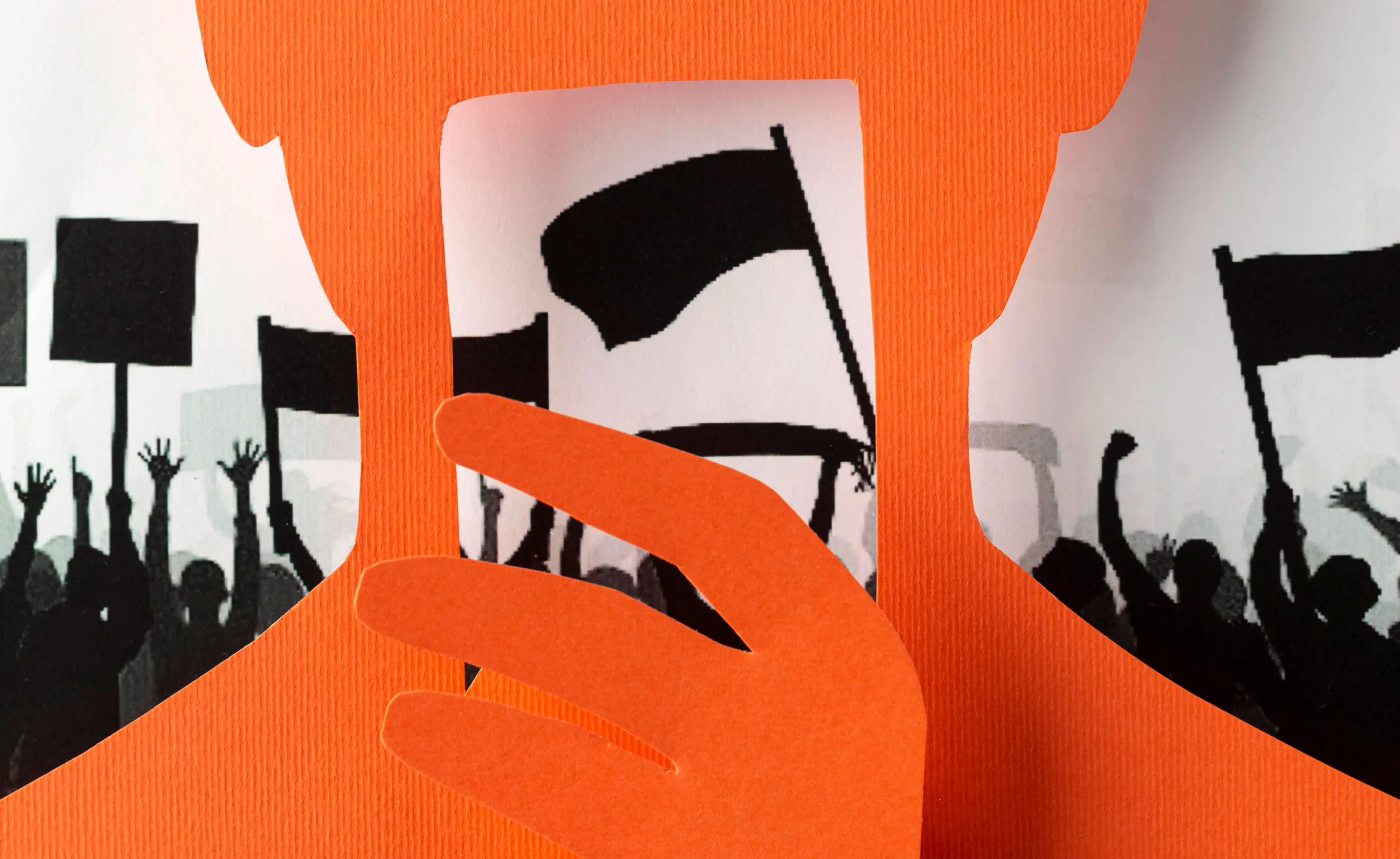
As arrests over online comments and political speech increase, the national debate is no longer simply about freedom of expression, but about where Ghana should draw the line between freedom, responsibility, and state power.

Isaac Clad
View author profile May 23·290views·5 min read
Opinion
The views expressed in this opinion article are those of the author and do not necessarily reflect the views, editorial policy, or position of Dailyaccra.com, its editors, or its management.
In every genuine democracy, freedom of speech stands as one of the most sacred pillars of liberty. It is the lifeblood that allows citizens to criticize their leaders without fear, challenge powerful institutions, voice unpopular opinions, and participate meaningfully in shaping the national conversation. When people can speak openly, societies evolve through debate, accountability improves, and governments remain responsive to the will of the governed. Without robust freedom of expression, democracy quickly atrophies. Fear supplants participation, silence replaces accountability, and power becomes unchallengeable.
Yet no society, not even the most liberal, grants absolute free speech. Every democracy draws boundaries. Speech that directly incites imminent violence, spreads dangerous panic (such as falsely shouting “fire” in a crowded theatre), threatens national security, or constitutes defamation and libel faces legitimate restrictions. The perennial challenge for democratic societies is therefore not whether speech should have limits, but where those limits should be drawn, how clearly they are defined, and how fairly they are enforced.
The Ghanaian Context
In Ghana today, this age-old debate has taken on fresh urgency. A noticeable increase in arrests and prosecutions linked to comments made on radio, television, TikTok, Facebook, WhatsApp, and other digital platforms has sparked intense national soul-searching. Are these actions necessary to protect public order in an era of rapid information spread, or are they signs of a gradual criminalisation of dissent?
According to reports from the Media Foundation for West Africa (MFWA) and other press freedom watchdogs, there has been a rising use of Section 76 of the Electronic Communications Act, 2008 (Act 775) and Sections 207 and 208 of the Criminal Offences Act, 1960 (Act 29) against journalists, political activists, social media influencers, bloggers, and even ordinary citizens. These laws target the transmission of “false” information likely to cause public fear, alarm, or threaten national security.
The concern is not that such laws exist because every stable society needs tools to maintain order. The deeper worry lies in whether they are being applied proportionately, transparently, and consistently in a democratic context.
Constitutional Guarantees and Their Limits
Article 21(1)(a) of Ghana’s 1992 Constitution explicitly guarantees freedom of speech and expression, including freedom of the press and other media. This provision remains one of the shining achievements of Ghana’s return to constitutional rule and helps distinguish the country as one of Africa’s most resilient democracies. However, no constitutional right is absolute. Rights come with responsibilities.
A citizen cannot falsely shout “bomb” at Kotoka International Airport and seek refuge in free speech. One cannot publicly call for ethnic violence, incite military insurrection, or deliberately spread dangerous falsehoods capable of causing loss of life or widespread panic. Such speech crosses into the realm of the harmful and can justify state intervention.
The Case for Regulation
Supporters of recent arrests argue that parts of Ghana’s online and broadcast discourse have become dangerously reckless. Social media has supercharged the spread of insults, fabricated scandals, ethnic baiting, political propaganda, and direct threats. In a politically polarized environment like Ghana’s, where two dominant parties command fierce loyalties, misinformation can travel faster than truth and produce real-world consequences before corrections are issued.
Some of those arrested faced accusations of making explicit violent threats against public officials, spreading claims likely to incite unrest, or publishing content that could disturb public peace. In an interconnected society, the state contends that leaving such conduct unchecked risks normalising lawlessness and eroding the foundations of national cohesion.
The Dangers of Vague Laws and Selective Enforcement
However, the greater long-term threat to democracy often lies not in dangerous speech itself, but in laws so broadly worded that they invite abuse. Section 208 criminalises statements “likely to cause fear and alarm to the public,” while Section 76 of the Electronic Communications Act deals with false information that could endanger public safety. Terms like “false news,” “fear,” “alarm,” and “offensive” are inherently subjective.
Who decides what constitutes “fear”?
Who distinguishes between deliberate falsehood, honest mistake, satire, exaggeration, or robust political rhetoric?
In a politically charged atmosphere, these ambiguities create fertile ground for selective enforcement, where government critics or opposition voices face prosecution while similar conduct by ruling party supporters is overlooked.
This produces what legal scholars call the “chilling effect”: citizens, journalists, and commentators begin to self-censor. They avoid controversial topics, soften their language, or withdraw from public discourse entirely. Over time, the quality of national conversation deteriorates, accountability weakens, and democracy itself becomes hollow.
Historical Irony and Political Consistency
This debate carries particular irony in Ghana. When he was in opposition, President John Dramani Mahama strongly criticised what he saw as the intimidation of journalists and suppression of dissent under the previous administration. Many Ghanaians now ask whether the current concerns reflect a deeper structural problem that transcends political parties — a recurring temptation by those in power to use state institutions to shield themselves from uncomfortable scrutiny.
Responsible Speech in a Mature Democracy
Defending freedom of speech must never become a defence of irresponsibility. Ghana has witnessed a troubling rise in toxic political rhetoric: widespread insults, character assassination, dehumanisation of opponents, and the exploitation of national tragedies for partisan gain. Some individuals issue open threats while wrapping themselves in the cloak of free expression.
True democratic culture requires both liberty and restraint. Citizens have a moral responsibility to pursue truth, engage respectfully where possible, and avoid reckless incitement. Freedom of speech was never meant to be freedom from consequences or criticism.
The Path Forward: Finding Balance
Ghana faces a classic democratic test: how to remain tolerant of vigorous criticism, satire, exaggeration, and dissent while protecting society from genuine threats to life, public peace, and constitutional order.
The way forward should include:
- Legislative review: Refining overly broad provisions in the Electronic Communications Act and Criminal Offences Act to include clearer definitions and stronger safeguards against abuse.
- Judicial oversight: Ensuring courts act as robust guardians of constitutional rights rather than rubber-stamping executive actions.
- Media and digital literacy: Investing in public education to help citizens better discern truth from falsehood in the digital age.
- Political leadership: Leaders across the spectrum demonstrating greater tolerance for criticism and modelling responsible rhetoric.
- Independent regulation: Strengthening bodies like the National Media Commission to handle complaints fairly and expeditiously.
Ultimately, the strength of Ghana’s democracy will not be measured by how it treats agreeable, comfortable speech. It will be measured by how justly, consistently, and constitutionally it responds to speech that is difficult, provocative, or even offensive, while never allowing genuine incitement to violence or chaos to go unchecked.
A confident, mature democracy can withstand sharp criticism. The question Ghana must answer is whether its institutions, and its political class, are secure enough to let citizens speak freely, even when it stings. The future of Ghanaian democracy may well depend on getting this balance right.