Ghana risks renewed inflation surge if currency weakness persists – economist warns
Ghana could face renewed inflationary pressures if the cedi’s depreciation continues, with key productive sectors particularly vulnerable, economist Prof Isaac Boadi has warned. Boadi said prolonged currency weakness would increase import costs, raising the likelihood of higher transport fares, utility tariffs and food...
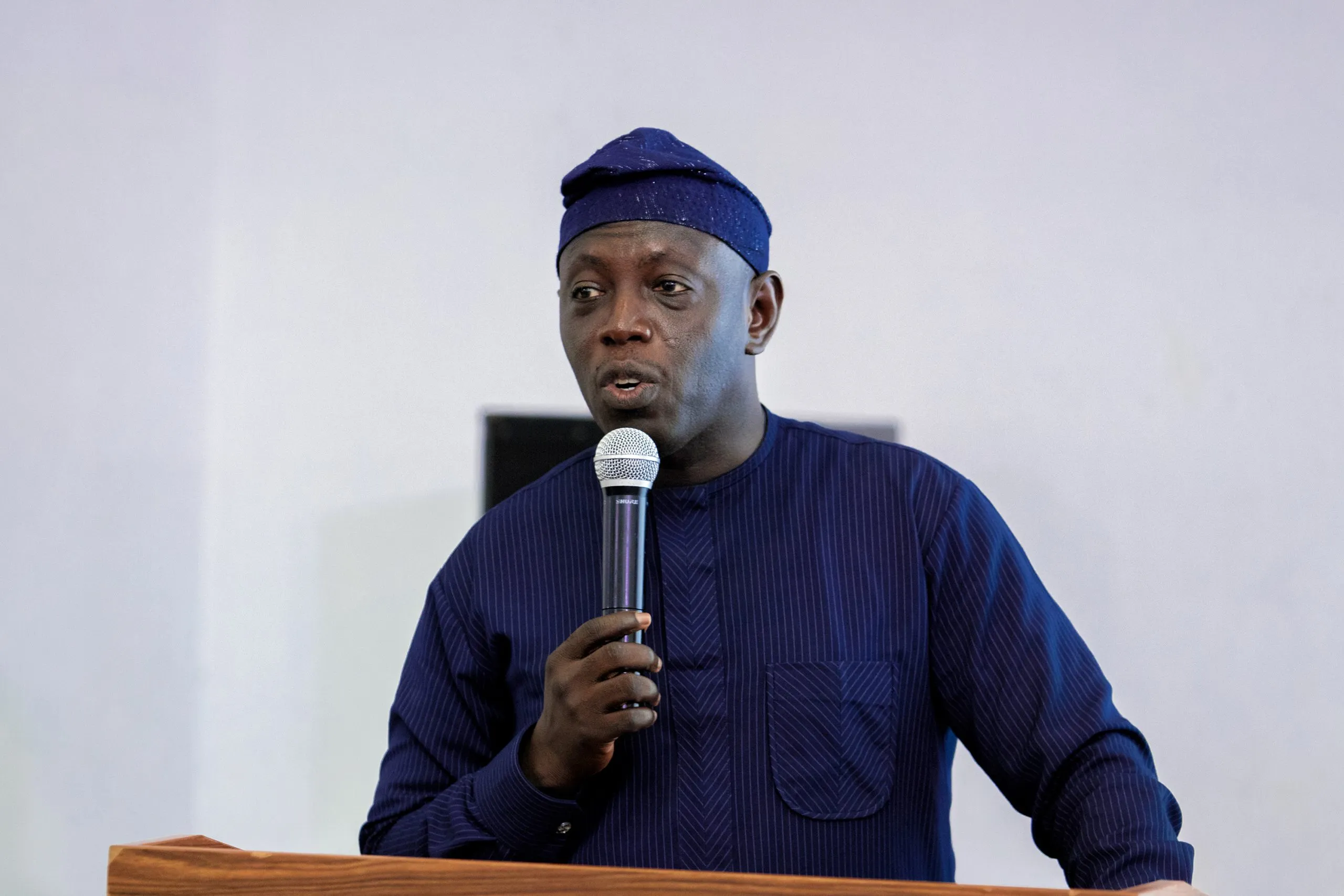
Ghana could face renewed inflationary pressures if the cedi’s depreciation continues, with key productive sectors particularly vulnerable, economist Prof Isaac Boadihas warned.
Boadi said prolonged currency weakness would increase import costs, raising the likelihood of higher transport fares, utility tariffs and food prices in the coming months.
He warned that Ghana’s economic structure—heavily reliant on services—leaves it exposed, as critical sectors such as agriculture and manufacturing remain underdeveloped.
“If you ignore your primary and secondary sectors and allow the service sector to dominate, then you have a problem,” he said on the Asaase Breakfast Show on Monday (25 May).
Manufacturing is likely to be hardest hit, he added, due to its dependence on imported inputs and foreign exchange.
Boadi called for urgent policy action to boost domestic production, reduce import dependence and expand value addition in sectors such as cocoa and minerals.
He also urged caution in the use of foreign reserves by the Bank of Ghana, warning that excessive intervention could deplete buffers and worsen long-term stability risks.
“Reducing inflation does not guarantee foreign exchange,” he said, stressing the need for structural reforms to address the root causes of currency volatility.