Ghanaians’ confidence in local vaccine manufacturing
A national vaccine perception survey conducted by the National Vaccine Institute (NVI) has found that public confidence in vaccines across Ghana remains high, challenging the idea that vaccine hesitancy is widespread in the country. The study shows that many Ghanaians consider vaccines life-saving and also view vaccine...
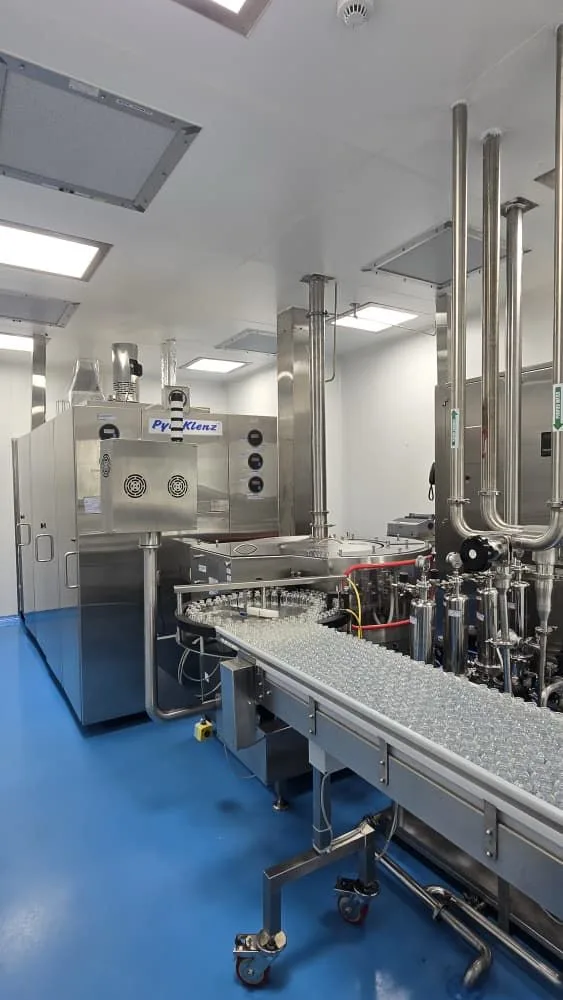
A national vaccine perception survey conducted by the National Vaccine Institute (NVI) has found that public confidence in vaccines across Ghana remains high, challenging the idea that vaccine hesitancy is widespread in the country.
The study shows that many Ghanaians consider vaccines life-saving and also view vaccine availability as a shared national responsibility. This outlook strengthens Ghana’s drive toward vaccine sovereignty and long-term self-sufficiency.
The survey, which covered all 16 regions and 55 districts, analysed 13,905 valid responses, making it one of the most comprehensive national assessments of attitudes toward vaccines and locally manufactured health products.
Beyond measuring general perceptions, the research examined what drives vaccine confidence, what could hinder acceptance of Ghana-made vaccines, and how misinformation may influence vaccine decisions.
The findings offer a timely evidence base for targeted public education and behaviour-change interventions ahead of Ghana’s planned start of local vaccine production in 2027.
HIGH VACCINE CONFIDENCE, STRONG TRUST IN HEALTH INSTITUTIONS
Results indicate strong vaccine confidence nationwide.
Approximately 89.7% of respondents expressed confidence in vaccines, while 94.2% believed in the collective responsibility to ensure vaccine availability.
Significantly, 71.3% said they would be willing to accept and use vaccines manufactured in Ghana—suggesting that more than seven out of every ten respondents are ready to embrace Made-in-Ghana vaccines once they become available.
The survey also found exceptionally high trust in healthcare professionals and national institutions responsible for vaccine delivery and regulation.
About 87.8% of respondents said they trust doctors and nurses who administer vaccines. Many also expressed confidence in the Ghana Health Service (GHS) and the Food and Drugs Authority (FDA).
This institutional trust is a critical advantage for Ghana’s vaccine manufacturing agenda, positioning healthcare workers and regulators as central voices in building and sustaining public confidence.
LOW AWARENESS OF THE LOCAL MANUFACTURING AGENDA
Despite positive sentiment toward vaccines, public awareness of Ghana’s vaccine manufacturing plans remains low. Only 14.3% of respondents were aware that Ghana is actively building capacity for local vaccine production ahead of the expected 2027 launch.
This gap points to an urgent need for intensive nationwide communication campaigns to inform the public, counter misinformation, and promote a sense of shared ownership of the initiative.
The survey also revealed notable regional differences.
More urbanised regions—such as Greater Accra, Central, and Ashanti—recorded comparatively lower acceptance of vaccines despite greater access to information. Meanwhile, rural communities in northern Ghana and regions such as Oti showed stronger trust and acceptance.
These differences reinforce the need for targeted, context-specific messaging rather than a one-size-fits-all approach.
NATIONAL PRIDE AND PRACTICAL BARRIERS
A key theme from the findings is growing national pride and willingness to support local production.
Many respondents indicated that their confidence in Ghana-made vaccines would increase if they saw Ghanaian scientists and local factories playing visible roles in production.
This suggests that public communication strategies can benefit from highlighting local expertise, quality assurance processes, and the national benefits of vaccine self-reliance.

However, the study also identified practical barriers that could affect uptake once local production begins.
These include the cost of vaccines, distance to vaccination centres, and concerns about storage and transportation—especially the reliability of cold chain systems in rural and hard-to-reach areas.
Such operational weaknesses, if not addressed, could undermine public confidence at the point of delivery. Stakeholders will therefore need to strengthen cold chain infrastructure, improve storage and transport systems, and ensure transparent handling protocols that reinforce trust throughout the supply chain.
NATIONWIDE AWARENESS CAMPAIGN PLANNED
In response to the findings, the NVI plans to roll out a nationwide awareness and acceptance campaign to educate the public on locally manufactured vaccines, address misinformation, and build national buy-in.
The campaign is expected to involve government institutions, development partners, healthcare professionals, civil society organisations, community leaders, the private sector, and the media.
Dr Sodzi Sodzi-Tettey, Chief Executive Officer of the NVI, emphasised that while vaccine confidence is strong, local manufacturing success depends on closing the awareness and trust gap around Ghana-made vaccines.
He noted the importance of targeted policy and communication strategies to address misinformation, cost barriers, and regional disparities, and acknowledged the continued support of the GHS, FDA, and the World Health Organization (WHO).
WHY THE FINDINGS MATTER
Public perception remains one of the most important determinants of vaccine uptake.
The survey therefore provides critical baseline data to guide policy and public engagement—helping government and partners set measurable targets, identify specific obstacles, tailor behaviour-change interventions, design effective messaging, anticipate misinformation narratives, and protect public confidence.
The timing is also significant. Ghana’s pharmaceutical sector is moving toward vaccine self-sufficiency, with locally manufactured vaccines expected in 2027.
This shift represents more than a health intervention; it signals progress in national innovation, industrial development, and health security.
Swedru: 23-year-old apprentice missing after falling into floodwater
AIB Ghana to release report on fatal Tema microlight aircraft crash…