“No African should feel like a foreigner in Africa”: Essilfie condemns xenophobia
Broadcaster Ekow Essilfie has called for urgent continental action against xenophobia, warning that Africa’s vision of unity risks collapsing into “a beautiful slogan” if hostility between Africans persists. Speaking on the Asaase Breakfast Show’s “My Take” segment on Thursday (28 May), Essilfie questioned the gap betw...
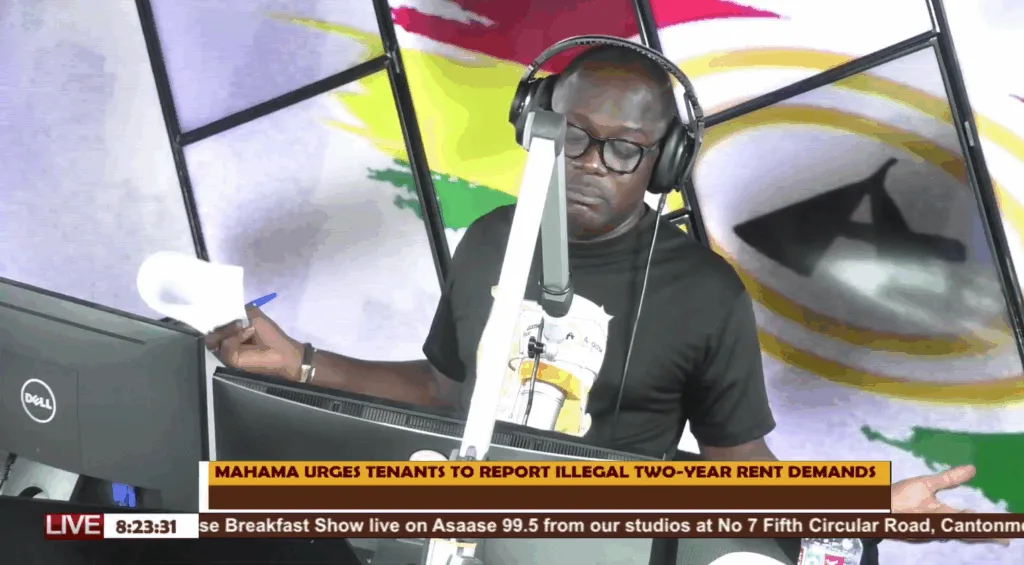
Broadcaster Ekow Essilfie has called for urgent continental action against xenophobia, warning that Africa’s vision of unity risks collapsing into “a beautiful slogan” if hostility between Africans persists.
Speaking on the Asaase Breakfast Show’s “My Take” segment on Thursday (28 May), Essilfie questioned the gap between Africa’s integration rhetoric and the lived realities of many migrants across the continent.
“What exactly does it mean to be an African?” he asked. “Is it just a slogan we repeat… or does it actually mean something when a fellow African is in danger on African soil?”
His comments come amid renewed concerns over attacks on African migrants in South Africa, which he described as a recurring and deeply troubling pattern.
“How can we speak about one Africa while Africans are being hunted by fellow Africans?” he said.
Essilfie criticised what he called a cycle of reaction without lasting solutions, where violence is condemned publicly but quickly fades from attention.
“Politicians issue statements and then everybody moves on — until it happens again,” he said.
He also rejected attempts to downplay such incidents as immigration enforcement rather than xenophobia.
“When people are targeted because they are foreigners… what else do we call it?” he asked. “We cannot keep pretending. What is happening is wrong.”
While acknowledging growing anger in Ghana over the treatment of its citizens abroad, Essilfie cautioned against retaliation, even as he said public frustration is understandable.
“People are hurt. People are frustrated. People feel disrespected,” he said.
He commended the Ghanaian government for evacuating affected nationals and praised North Tongu MP Samuel Okudzeto Ablakwa for what he described as swift intervention.
“At least our people must know that their country stands with them,” he said.
Beyond immediate responses, Essilfie argued that Africa must confront deeper structural issues, including weak migration systems, unemployment and lack of protections for migrants.
“Integration is not just about trade agreements and speeches,” he said. “It is about how we treat one another in moments of tension, hardship and fear.”
He warned that failure to address xenophobia could undermine investor confidence and stall the continent’s development agenda.
“No investor will believe in African unity if Africans themselves do not believe in each other first,” he said.
Essilfie concluded with a call for collective responsibility, urging governments and citizens alike to reject xenophobia and uphold the idea of African brotherhood.
“No African should ever feel like a foreigner in Africa,” he said. “Not here, not anywhere.”