Ghana’s flood problem is an enforcement issue, not a policy gap — Osae-Kwapong
Director of the Democracy Project at the Centre for Democratic Development (CDD-Ghana), John Osae-Kwapong, has blamed weak enforcement of urban planning regulations for recurring floods in Accra and other Ghanaian cities, urging authorities to implement existing laws more effectively. Speaking on The Forum on Asaase Ra...
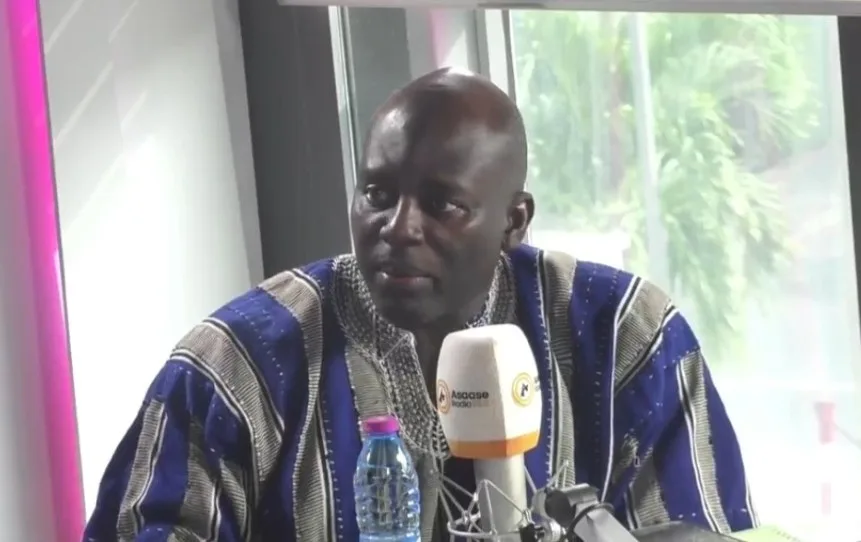
Director of the Democracy Project at the Centre for Democratic Development (CDD-Ghana), John Osae-Kwapong, has blamed weak enforcement of urban planning regulations for recurring floods in Accra and other Ghanaian cities, urging authorities to implement existing laws more effectively.
Speaking on The Forum on Asaase Radio on Saturday (30 May), in the wake of recent flooding across parts of the country, Osae-Kwapong said regulatory failures in urban planning were contributing to the persistent problem.
“At some point, in my opinion, there is also a level of regulatory failure in our urban planning that is resulting in some of these floods,” he said.
He argued that buildings constructed in waterways and other unauthorised locations were obstructing the natural flow of water, increasing the likelihood of flooding during heavy rains.
“There has to be some deficit in our urban planning and why we are seeing some of the things we continue to see,” Osae-Kwapong said, adding that water appeared to have limited routes to flow safely in many urban areas.
The governance analyst said Ghana’s challenge was not the absence of laws or policies but the failure to enforce them.
“The challenge we face in Ghana is not lack of rules and laws and plans, very well written laws that address all manner of issues,” he said.
Rather than introducing new regulations, Osae-Kwapong called for a review of existing frameworks and stronger enforcement measures.
“It may not be so much new policies, new rules and new laws, but taking stock of what we have and how best we can really enforce those things,” he said.
He also urged political leaders to demonstrate the resolve needed to enforce planning regulations, even when doing so may attract criticism.
“It may require difficult choices and difficult decisions. There needs to be political will to do that regardless of the backlash,” he said.
Flooding remains a recurring challenge in Ghana, particularly during the rainy season, with experts often citing poor drainage infrastructure, rapid urbanisation and construction on waterways among the main causes.