“Completely unnecessary”: Abban slams protections for journalists, lawyers in amended anti-LGBTQ bill
Former Gomoa West MP Alexander Abban has criticised proposed safeguards in Ghana’s controversial Human Sexual Rights and Family Values Bill that seek to protect journalists, lawyers and other professionals, describing them as unnecessary and populist. Speaking on the Asaase Breakfast Show on Tuesday (2 June), Abban que...
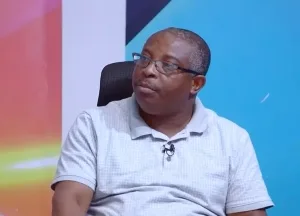
Former Gomoa West MP Alexander Abban has criticised proposed safeguards in Ghana’s controversial Human Sexual Rights and Family Values Bill that seek to protect journalists, lawyers and other professionals, describing them as unnecessary and populist.
Speaking on the Asaase Breakfast Show on Tuesday (2 June), Abban questioned the logic of carving out exemptions for specific professions in legislation aimed at regulating human conduct.
“This is to check the conduct of human beings,” he said. “Does a journalist cease to be a human being just because he is a journalist?”
Recent amendments to the bill reportedly introduce protections for groups including media practitioners, academics, lawyers, doctors and counsellors, in response to concerns about the potential impact of the law on professional duties such as reporting, legal representation and public health work.
But Abban dismissed the changes, arguing that professional status should not alter how individuals are treated under the law.
“If I am a lawyer and I am involved… would you examine me differently just because I am a lawyer?” he said, rejecting what he called attempts to differentiate between categories of citizens.
He characterised the provisions as “completely unnecessary” and suggested they risk undermining the coherence of the legislation.
The bill, which has sparked intense debate in Ghana and drawn international attention, has undergone multiple revisions, with lawmakers seeking to address criticism from rights groups and sections of the public.
Abban’s comments highlight ongoing divisions over both the substance of the bill and the scope of its enforcement, particularly as policymakers weigh legal, professional and human rights considerations.
The legislation is yet to be assented to by President John Dramani Mahama, who has indicated that constitutional and procedural issues must first be addressed.