“Ghana anti-LGBTQ bill may trigger Western pressure, but easier to navigate than before” — Hlovor
Ghana risks diplomatic friction with Western partners if its controversial anti-LGBTQ bill is passed, although shifting global geopolitics may soften the impact, an international relations expert has said. Ishmael Hlovor told Townhall Talk on Friday (5 June) that while Ghana retains the sovereign right to legislate bas...
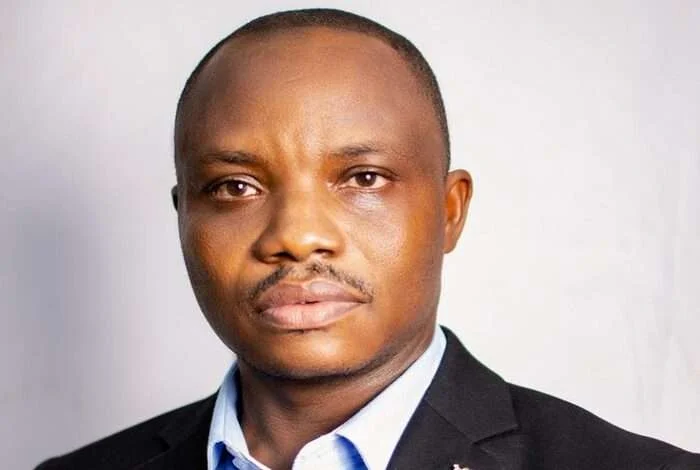
Ghana risks diplomatic friction with Western partners if its controversial anti-LGBTQ bill is passed, although shifting global geopolitics may soften the impact, an international relations expert has said.
Ishmael Hlovor told Townhall Talk on Friday (5 June) that while Ghana retains the sovereign right to legislate based on cultural values, the country could face pressure from institutions such as the World Bank and European governments that prioritise inclusive development.
“Institutions like the IMF and the World Bank have an inclusive approach… the rights of minorities should be respected, so you expect pressure from those angles,” he said.
Hlovor explained that Ghana’s long-standing image as a promoter of human rights complicates the debate, as the bill could appear to contradict international commitments such as the Universal Declaration of Human Rights.
However, he noted that geopolitical shifts — including changing leadership dynamics in the United States — could reduce the intensity of backlash compared to previous years.
“The pressure may come from Europe, but given the geopolitical situation… it is easier now to navigate it than before,” he added.
He cited Uganda’s experience, where initial sanctions and aid freezes followed anti-LGBTQ legislation but later eased as development partners resumed engagement.
Despite potential diplomatic fallout, Hlovor stressed that Ghana could still maintain partnerships if it carefully manages its international messaging and foreign policy strategy.