Stop speaking English to your children at home – Parents urged
A Professor of Computer Science at the University of Ghana, Isaac Wiafe, has called on Ghanaian parents to prioritise speaking their indigenous languages at home instead of English, in order to preserve the country’s linguistic and cultural heritage. Speaking during his inaugural lecture at the University of Ghana, Leg...
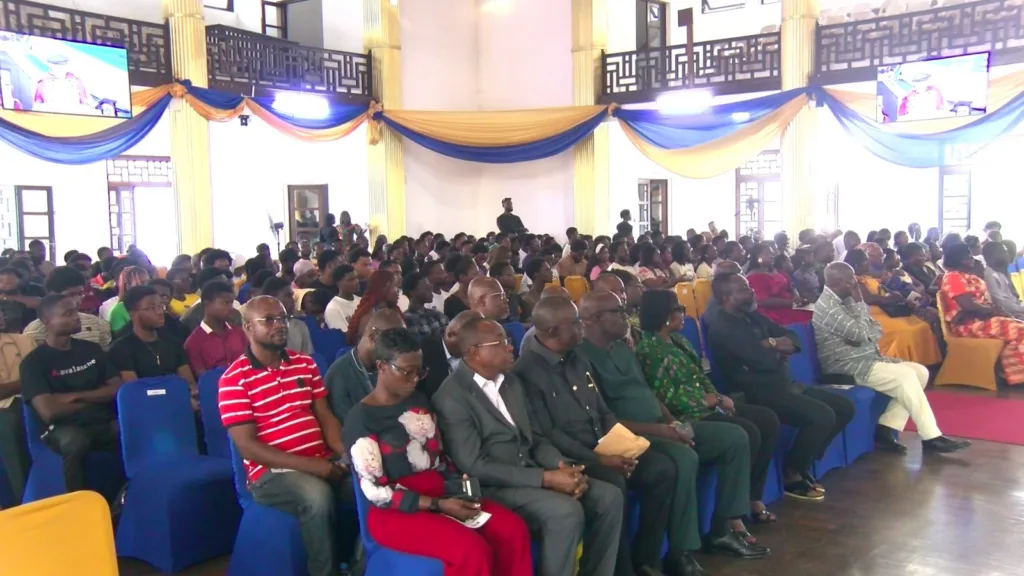
A Professor of Computer Science at the University of Ghana, Isaac Wiafe, has called on Ghanaian parents to prioritise speaking their indigenous languages at home instead of English, in order to preserve the country’s linguistic and cultural heritage.
Speaking during his inaugural lecture at the University of Ghana, Legon, Prof. Wiafe urged parents to leave the teaching of English to schools while ensuring that children become fluent in their mother tongues.
“Parents should stop speaking English to their children at home. Speak your local language with them and leave English for teachers in the classroom. If we continue replacing our indigenous languages with English at home, we risk losing an important part of our identity,” he said.
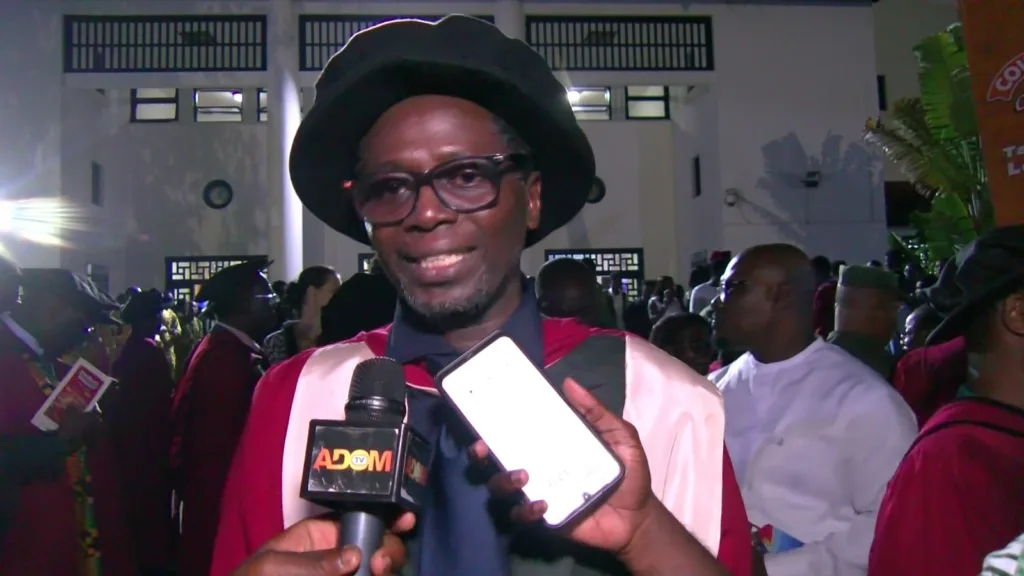
The inaugural lecture, themed “Why AI is Irrelevant to Ghana: Reclaiming Our Future Through Human-Centred Transformation,” highlighted findings from Prof. Wiafe’s research on Artificial Intelligence (AI) and its relevance to Ghana’s development.
In an interview with Adom News after the lecture, Prof. Wiafe expressed concern that many Ghanaian languages are gradually disappearing because parents increasingly choose English as the primary language spoken at home.
“Our local languages are slowly becoming extinct because many parents believe speaking English at home is a sign of progress. We must preserve our languages because they carry our culture, knowledge, and identity,” he stressed.
On Artificial Intelligence, Prof. Wiafe argued that most AI technologies have been developed to solve problems in advanced economies and do not adequately reflect Ghana’s unique social, economic, and cultural realities.
“Artificial Intelligence is not inherently designed for Ghana. It was built around the needs of developed countries. We must adapt AI to solve our own local challenges instead of simply importing solutions that may not fit our context,” he noted.
He further cautioned that without deliberate policies to make AI accessible to all, the technology could widen existing inequalities.
“If we fail to make AI inclusive, its benefits will mainly go to the educated and privileged, while those in the informal sector and underserved communities are left behind,” Prof. Wiafe added.
He therefore called on policymakers, researchers, and industry leaders to develop human-centred AI solutions that address Ghana’s specific development needs while ensuring that no segment of society is excluded from the country’s digital transformation.
Woman found dead, mother unconscious with 12-year-old girl in critical condition at Effiduase
Education Minister directs GTEC to withdraw directive on university lecturers’ post-retirement contracts