Government eyes growth after completing fiscal consolidation — Ato Forson
Finance Minister Dr. Cassiel Ato Forson says the government has begun setting aside funds to meet a GH¢54 billion repayment obligation under the Domestic Debt Exchange Programme (DDEP) due next year, as part of efforts to prevent another debt crisis. Speaking during a working visit by Vice President Professor Naana Jan...
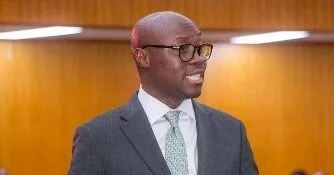
Finance Minister Dr. Cassiel Ato Forson says the government has begun setting aside funds to meet a GH¢54 billion repayment obligation under the Domestic Debt Exchange Programme (DDEP) due next year, as part of efforts to prevent another debt crisis.
Speaking during a working visit by Vice President Professor Naana Jane Opoku-Agyemang, Dr. Forson said the government was taking a proactive approach to debt management after Ghana’s experience with debt restructuring in 2022.
“Next year alone we are seeing debt repayment. DDEP alone, we have to service debt about GH¢54 billion,” he said.
The Finance Minister disclosed that the government had already built sufficient financial buffers to meet two major DDEP obligations falling due this year.
According to him, the government paid GH¢10 billion to bondholders in February and has made arrangements to settle another GH¢10 billion repayment scheduled for the first week of August.
“Ten billion Ghana cedis each. So we paid one in February and one is also due first week in August—another GH¢10 billion. But I’m proud to say that we are prepared to make that payment because we have built enough buffers to be able to pay that,” he said.
Dr. Forson warned that debt repayments would become significantly larger next year, with a single payment of about GH¢39 billion due in February.
“In February, we have to pay about GH¢39 billion in one day. That means we have to begin saving ahead of those bullets because we all know the repercussions of not servicing your debt and going into debt default, and we’ve seen it recently in 2022,” he said.
He said the government’s fiscal strategy is aimed at avoiding a repeat of the economic difficulties that culminated in Ghana’s debt restructuring programme.
Dr. Forson likened unsustainable borrowing to alcoholism, saying the immediate benefits are often overshadowed by long-term consequences.
“As for an unsustainable fiscal path, if you go on that path you will pay a difficult price for it. I’ve always said that it’s like alcoholism. The good effect comes early, and the hangover comes later,” he said.
“You borrow, you spend, you go happy one week, one day, and afterwards the hangover will be there for a long time, and everybody else will pay for that.”
The minister said the government had anticipated that restoring macroeconomic stability would require two years of fiscal consolidation and noted that about 18 months of the adjustment programme had already been completed.
“We have always been aware that the problems we inherited would require two straight fiscal years of major consolidation. We’ve seen 18 months of it. We are left with six months,” he said.
He added that the government intends to shift its focus from fiscal adjustment to economic expansion once the consolidation phase is completed.
“After the six months we’ll have to change the course and move from shock therapy to what I call the new economy, where growth and jobs would drive the new order,” he said.
Dr. Forson’s comments come after the Finance Ministry announced the early settlement of a $700 million Eurobond obligation, bringing Ghana’s external debt service payments in 2025 to about $1.4 billion as the government seeks to strengthen fiscal credibility and restore investor confidence.