Engineers want independent council to monitor Ghana’s infrastructure
The Ghana Institution of Engineering has proposed the establishment of a National Infrastructure Council to improve planning, coordination and accountability in the management of public infrastructure. Speaking on the Asaase Breakfast Show on Wednesday (15 July), Vice-President Dr Patrick Amoah Bekoe said the recommend...
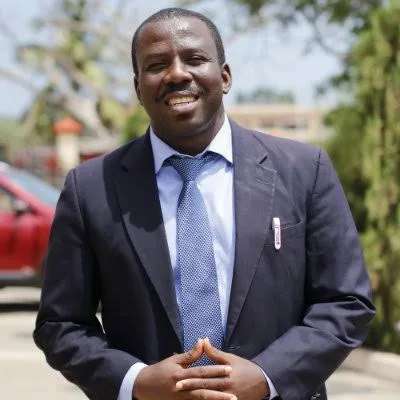
TheGhana Institution of Engineering has proposed the establishment of a National Infrastructure Council to improve planning, coordination and accountability in the management of public infrastructure.
Speaking on the Asaase Breakfast Show on Wednesday (15 July), Vice-President Dr Patrick Amoah Bekoesaid the recommendation is among the most important proposals contained in the Ghana Infrastructure Report Card 2026.
“The council will deal with cross-cutting planning, investment and performance monitoring.”
According to him, the proposed body would coordinate infrastructure preservation, strengthen asset management and enable Parliament to monitor how public infrastructure is maintained.
The report also recommends the enactment of a National Infrastructure Asset Management Policy to institutionalise maintenance and long-term planning.
Dr Bekoe stressed that the report was not intended to criticise any political administration but to provide an objective assessment of the country’s infrastructure.
“This assessment is not an assessment of NPP or NDC. It is an assessment of the state.”
He said the report relied on official government data and responses from more than 900 participants across all 16 regions, including engineers, professionals and members of the public.
“This is a report for the people—an independent report for the people.”
Dr Bekoe called on policymakers, engineers, contractors and consultants to work collectively to improve infrastructure standards.
“All of us are involved. Whether you are a planner, consultant or contractor, how we design, construct and maintain our infrastructure matters.”
He added that the institution would continue engaging government ministries and Parliament to ensure the report’s recommendations are implemented, with the long-term goal of improving Ghana’s infrastructure from its current D3 rating to at least Grade B.