IMF approves final review as Ghana exits $3bn rescue programme
Ghana has completed its three-year, $3 billion bailout programme with the International Monetary Fund after the Fund approved a final review that unlocks a last disbursement of about $371 million, the Finance Ministry announced on Monday. The approval by the IMF Executive Board brings total disbursements under the Exte...
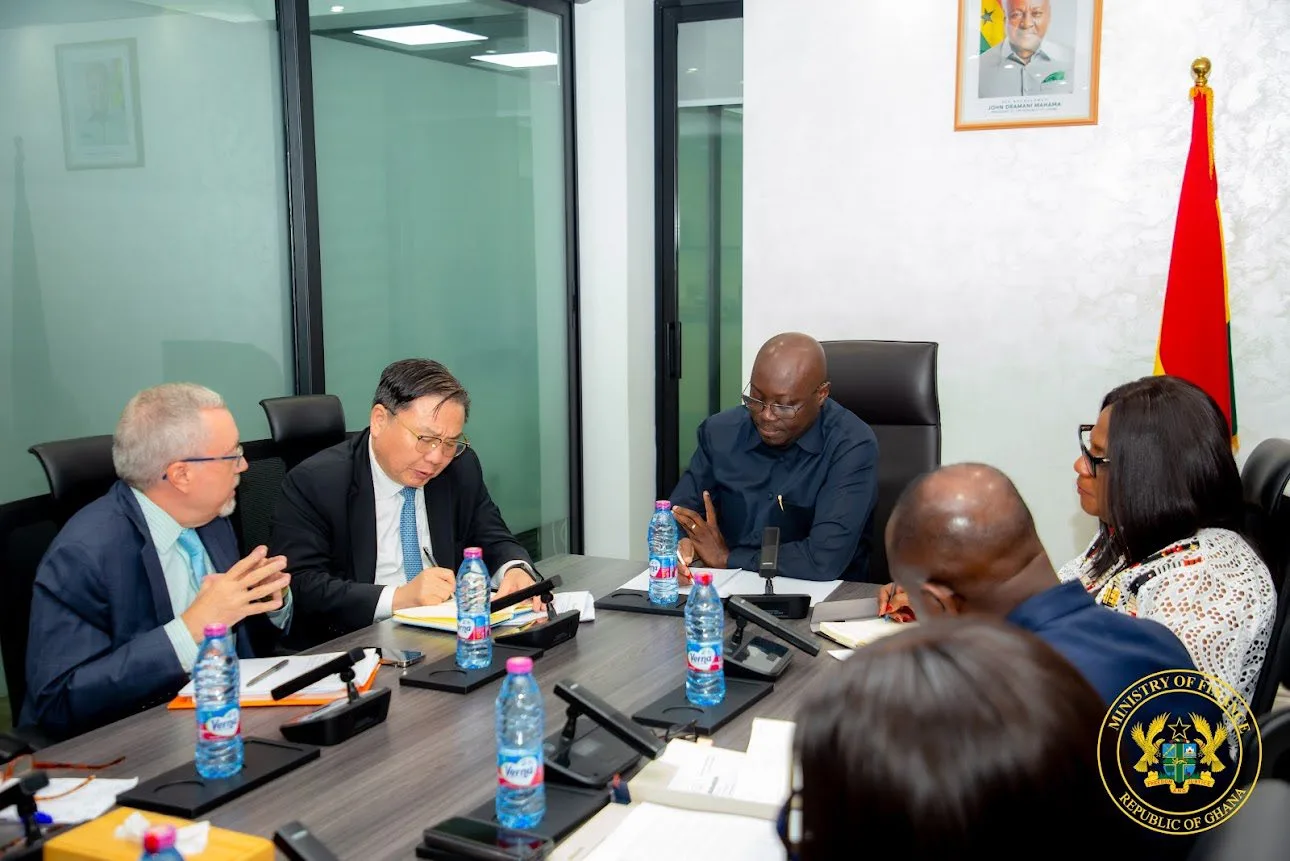
Ghana has completed its three-year, $3 billion bailout programme with the International Monetary Fund after the Fund approved a final review that unlocks a last disbursement of about $371 million, the Finance Ministry announced on Monday.
The approval by the IMF Executive Board brings total disbursements under the Extended Credit Facility (ECF), agreed in May 2023, to $3 billion.
The programme was launched after Ghana was hit by its worst economic crisis in decades, marked by soaring inflation, a sharp depreciation of the cedi and a debt default that forced the government to seek international financial assistance and restructure its debt.
In a statement dated 27 July, the Finance Ministry said the government had maintained fiscal discipline, reduced inflation, strengthened external reserves and implemented reforms that had laid the foundation for sustained economic growth.
“The Government has maintained fiscal discipline, reduced inflation, strengthened external buffers, and implemented key reforms that have laid the foundation for sustained economic growth,” the ministry said.
Following the conclusion of the bailout programme, Ghana will transition to a 36-month Policy Coordination Instrument (PCI), a non-financing arrangement with the IMF designed to support policy reforms and reinforce investor confidence without providing additional funding.
The ministry said the new arrangement would help consolidate the economic gains made under the bailout programme while supporting the government’s medium-term reform agenda.
Ghana entered the IMF programme in 2023 after inflation surged above 50 percent, the cedi lost significant value and the country defaulted on most of its external debt.
Since then, inflation has declined, the local currency has stabilised and the government has completed debt restructuring agreements with official creditors and Eurobond holders.
The government thanked Ghanaians for what it described as their resilience and patience throughout the reform process, while also expressing appreciation to the IMF, development partners and the private sector for their support.
It said it remained committed to safeguarding the progress made under the programme and pursuing reforms aimed at building “a stronger, more resilient, and more prosperous economy for all Ghanaians.”