Atronie Chiefs reject REGSEC response, demand immediate halt to illegal mining
The Atronie Traditional Council has mounted a fierce rejection of the Bono Regional Security Council’s (REGSEC) response to the destruction of the Atronie Amoma River, accusing the council of inaction and failure to confront an escalating environmental crisis driven by illegal mining. In a strongly worded statement iss...
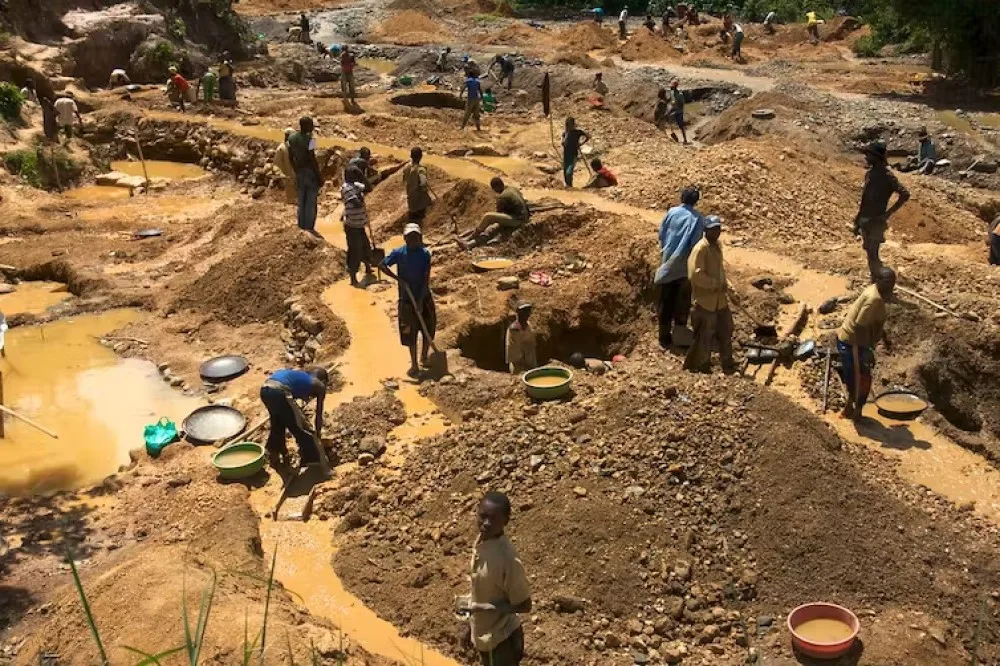
The Atronie Traditional Council has mounted a fierce rejection of the Bono Regional Security Council’s (REGSEC) response to the destruction of the Atronie Amoma River, accusing the council of inaction and failure to confront an escalating environmental crisis driven by illegal mining.
In a strongly worded statement issued under the banner of “For Immediate Release,” the chiefs and people of Atronie expressed deep disappointment in REGSEC’s conclusions following its recent inspection of an illegal mining site at Jinijini, a farming community within the Atronie area.
The Traditional Authority says the council’s response falls far short of the urgent intervention required to halt what it describes as the rapid destruction of the community’s only reliable source of drinking water.
“Completely Unacceptable”
According to the statement, REGSEC members witnessed extensive environmental degradation during their visit, including the heavy pollution of the Amoma River, widespread destruction of farmlands, and severe ecological damage affecting the health and livelihoods of residents.
Yet, instead of ordering an immediate cessation of the illegal operations, the council reportedly directed operators to produce licences and documentation while activities continue.
“The people of Atronie find this decision completely unacceptable,” the statement declared. “Environmental destruction cannot be allowed to continue while authorities wait for paperwork. Every passing day results in further pollution of our river and irreversible damage to our lands.”
The chiefs also questioned what they described as inconsistencies in the stance of regional authorities.
They recalled that during an earlier meeting, the Bono Regional Minister had indicated that any legitimate mining operation would already have its documentation submitted to his office, and that the absence of such documentation suggested illegality.
“If that was the position, why is REGSEC now requesting the same operators to submit documents?” the statement asked.
“If these operations were lawful, those documents should already have been available to the relevant authorities.”
The Traditional Authority argues that such contradictions weaken enforcement and undermine public confidence in the fight against illegal mining.
Armed Intimidation Raises Security Concerns
Beyond environmental destruction, the community raised alarm over the presence of heavily armed individuals guarding the mining sites.
Residents allege that these individuals wield guns and rifles, intimidate locals, and prevent legitimate landowners and farmers from accessing their lands.
REGSEC’s directive that mining companies should ensure such personnel are “properly authorised” has drawn sharp criticism.
“Ghana’s laws do not permit vigilantism or unlawful landguard activities,” the statement said. “We expected the security agencies to arrest and prosecute anyone carrying weapons or operating outside the law.”
Rejection of ‘Land Dispute’ Narrative
The Atronie Traditional Authority also dismissed REGSEC’s suggestion that the situation may be linked to a land dispute involving neighbouring traditional areas, including Wamfie (Mansene).
The chiefs described the claim as unfounded and misleading, insisting that no such dispute has ever been part of their complaint.
“We view this as a deliberate attempt to divert public attention from the real issue the ongoing destruction of the Atronie Amoma River through illegal mining,” the statement noted.
They further questioned the basis upon which REGSEC reached such a conclusion, arguing that the council is not a judicial body mandated to determine land ownership disputes.
Loss of Confidence in REGSEC and Regional Minister
The statement goes further to declare a loss of confidence in both REGSEC and the Bono Regional Minister, accusing them of failing to demonstrate urgency, commitment, and leadership in addressing the crisis.
“Our concern is simple,” the chiefs emphasised. “Our river is being destroyed, our farms are being devastated, and our people are losing their only source of clean drinking water. These are matters requiring immediate enforcement of the law not prolonged administrative processes.”
NAIMOS Intervention Not Enough
While acknowledging the intervention of the National Anti-Illegal Mining Operations Secretariat (NAIMOS), which recently visited the community to assess the damage, the Traditional Authority stressed that the situation remains unresolved.
“Our appreciation should not be misconstrued as satisfaction,” the statement cautioned, noting that tangible action is still required.
A Community Determined to Fight Back
The people of Atronie have vowed to continue resisting the illegal mining activities until all operators are removed and concrete steps are taken to restore the Amoma River and rehabilitate the degraded environment.
They pledged to escalate the issue to the highest levels of government, including the President, and to sustain engagement with state institutions, civil society organisations, and the media.
“We will not relent or lower our guard,” the statement declared. “We remain committed to peace and the rule of law, but equally determined to do everything within the law to protect our lands, our water bodies, and the future of our people.”
Report by Daniel Donkor, Bono Region