Missing appeal records raise questions over handling of Tamakloe case — Tuah-Yeboah
Former Deputy Attorney-General Alfred Tuah-Yeboah says questions must be answered over why parts of the evidence in the case against former MASLOC Chief Executive Officer Sedinam Tamakloe Attionu were allegedly not transmitted to the Court of Appeal. Tuah-Yeboah said the Attorney-General’s office itself raised concerns...
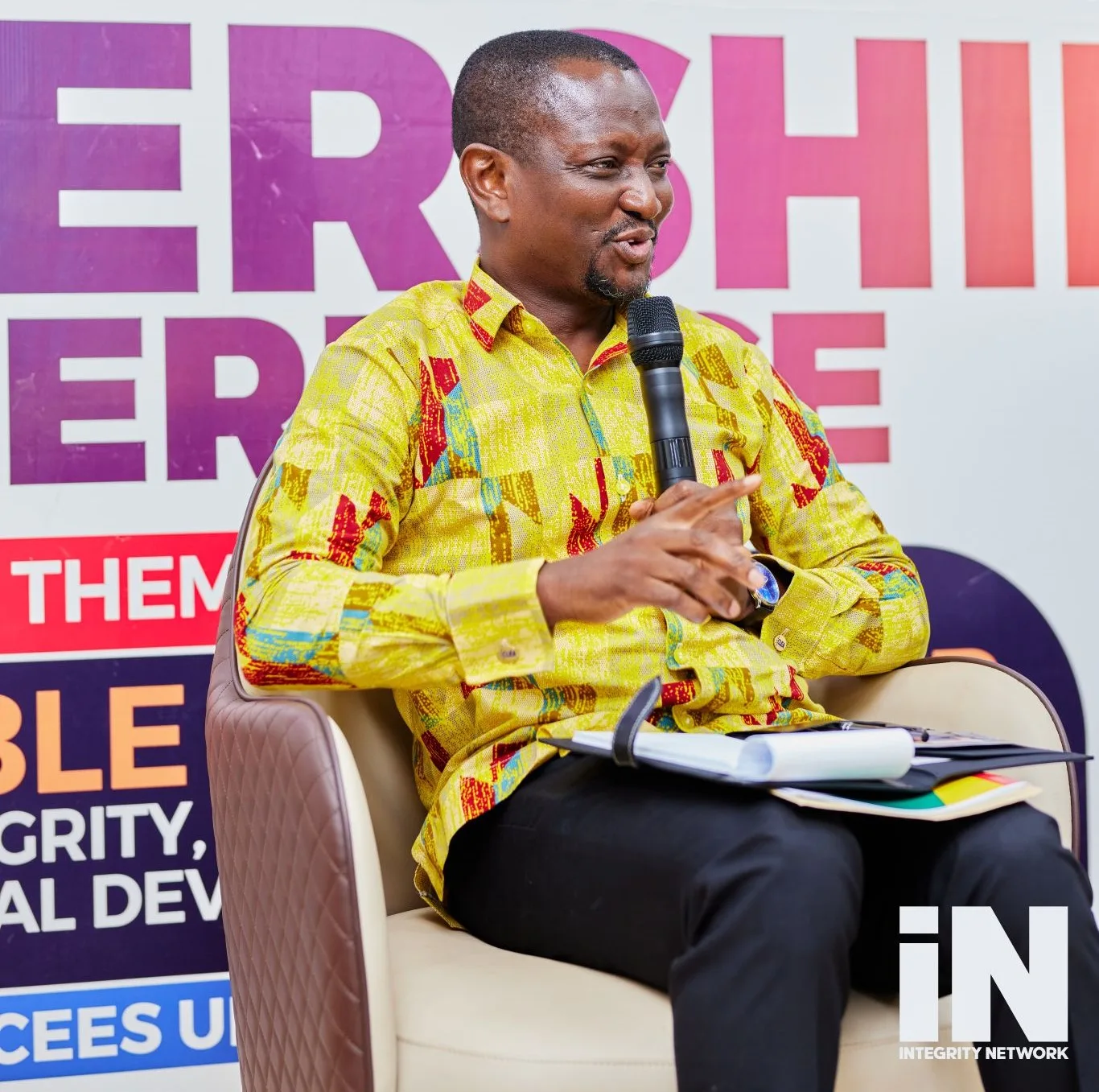
Former Deputy Attorney-General Alfred Tuah-Yeboah says questions must be answered over why parts of the evidence in the case against former MASLOC Chief Executive Officer Sedinam Tamakloe Attionu were allegedly not transmitted to the Court of Appeal.
Tuah-Yeboah said the Attorney-General’s office itself raised concerns in its written submissions that the record transmitted to the Court of Appeal was incomplete.
However, he said the prosecution did not follow up to ensure that the missing documents were properly transmitted.
Speaking on the Asaase Breakfast Show on Friday (31 July), he said the issue was particularly concerning given the importance of the case and the amount of evidence involved.
“In their submission, the Attorney indicated that the record that was sent to the Court of Appeal was incomplete and that the documentary evidence that they still tended were not part of the evidence that was sent to the Court of Appeal,” he said.
According to Tuah-Yeboah, once counsel identifies a deficiency in an appeal record, there are legal procedures that can be used to have the record corrected.
He said the Attorney-General could have applied for the record to be remitted to the lower court to correct the omission.
“That was not done. That’s my worry also,” he said.
Tuah-Yeboah argued that lawyers handling an appeal have a responsibility to examine the record and ensure that it is complete before the case is determined.
He said the Attorney-General represents the state and, by extension, the interests of more than 34 million Ghanaians.
“Proceedings were sent to them. They realized that there was that kind of defect. What would they do?” he asked.
He acknowledged that incomplete records can occur in both civil and criminal proceedings but said counsel must take steps to correct such deficiencies when they are identified.
Mr Tuah-Yeboah’s comments come after the Court of Appeal acquitted Tamakloe Attionu of the charges for which she had been convicted by the High Court.
He has described the appellate decision as erroneous and said the Attorney-General should pursue the matter before the Supreme Court.
The former Deputy Attorney-General also said it would not be unreasonable for the Judicial Service and the Attorney-General’s office to investigate how parts of the appeal record came to be missing.
“It wouldn’t be far from wrong if something of that sort is commissioned or done by the Judicial Service and the AG who has to lead it,” he said.
He stressed, however, that the legal process could also provide a means of addressing the problem.
Tuah-Yeboah said the Attorney-General should look closely at the circumstances surrounding the incomplete record if the government was genuinely committed to pursuing the appeal.
He questioned how evidence that was relied upon by the High Court could have been absent from the record considered by the appellate court in such a significant criminal case.