GSS calls for digitalisation, fee transparency to curb rising bribe demands
Ghana’s Statistical Service has called for accelerated digitalisation of public services, greater transparency over official fees and stronger public education as part of efforts to curb rising demands for bribes by public officials. Omar Seidu, Deputy Government Statistician, said the Ghana Statistical Service (GSS) w...
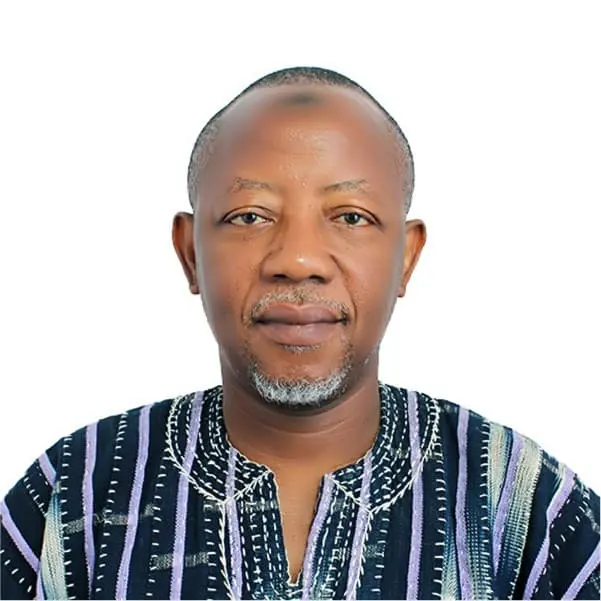
Ghana’s Statistical Service has called for accelerated digitalisation of public services, greater transparency over official fees and stronger public education as part of efforts to curb rising demands for bribes by public officials.
Omar Seidu, Deputy Government Statistician, said the Ghana Statistical Service (GSS) would continue monitoring bribery trends and engage institutions identified as vulnerable to corruption.
Speaking on The Forum on Asaase Radio on Saturday (8 August) Seidu said digitalisation had already shown promise in reducing opportunities for bribery, citing significant declines recorded at the Passport Office following the introduction of digital services.
“We are seeing that at passport office…and there is a decline that is very significant and so we believe digitalisation is one of the key things,” he said.
He said making public services easier to access, while publishing official fees and clearly explaining the procedures involved, could reduce opportunities for officials to demand unofficial payments.
“That way it reduces the ‘quiet room’,” Seidu said, referring to situations where citizens may be required to make unofficial payments to access services.
He also called for intensified public education to ensure citizens know which services are free or how much they officially cost, and understand where to report demands for additional payments.
“If anyone asks you to pay anything extra, these are the channels to report; you decline doing it, you report it and the institutions take it up,” he said.
The comments follow findings from the GSS Governance Series showing that demands for unofficial payments by public officials increased sharply during the second half of 2025.
The proportion of citizens who said public officials demanded extra payments rose from 51 percent in the first half of 2025 to 69 percent between July and December.
The survey also found that the proportion of citizens who actually paid a bribe increased from 14.3 percent to 18 percent over the same period.
Despite the rise in bribery experiences, the GSS said Ghana’s overall governance performance improved in 2025 compared with 2024.
Seidu said the state had already taken steps following the GSS’s presentation of the findings to the presidency.
He said the GSS released its second-wave findings in November 2025 and was subsequently invited by the Office of the Chief of Staff to present the report to government appointees and other public officials in December.
According to Seidu, the Chief of Staff then requested the 10 institutions identified in the report as having significant exposure to bribery risks to engage with the GSS and discuss measures to address the problem.
Each institution identified areas where bribery was likely to occur and outlined steps it was taking to reduce those risks, he said.
“There was a general commitment in the room, and it provided an opportunity for us to learn from other institutions,” Seidu said.
He said the GSS would continue to monitor the institutions and assess whether the measures introduced were producing measurable improvements.
“We will continue to monitor it and see whether there is progress,” he said.
The GSS said the latest survey was based on interviews with household heads conducted during the first quarter of 2026 and covered citizens’ experiences between July and December 2025.
The service said its use of the same nationally representative households across Ghana’s 16 regions allowed it to track changes in citizens’ experiences over successive six-month periods.
Seidu said sustained government action, digitalisation, transparent service procedures and public reporting mechanisms would be crucial to reversing the increase in bribery demands.