Africa urged to build and retain value from its workforce at GCHRA 2026
The Global Conference on Human Resources Africa (GCHRA) has opened in Accra with a strong call for Africa to rethink how it develops, manages and retains its growing workforce. The four-day conference, being held at the Kempinski Hotel from 12 to 15 August 2026, has brought together human resource professionals, busine...
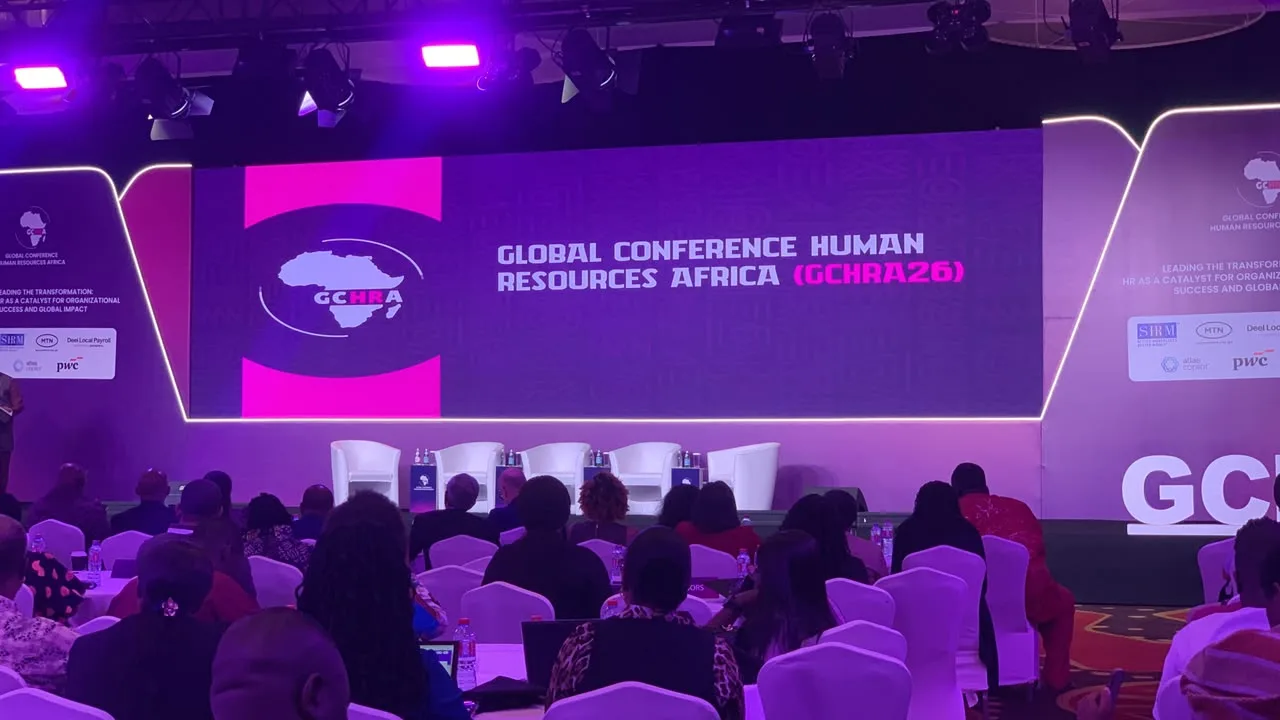
The Global Conference on Human Resources Africa (GCHRA) has opened in Accra with a strong call for Africa to rethink how it develops, manages and retains its growing workforce.
The four-day conference, being held at the Kempinski Hotel from 12 to 15 August 2026, has brought together human resource professionals, business leaders, policymakers, technology experts and workforce transformation specialists from Africa and beyond to examine the future of work on the continent.
The conference is being held under the theme “Leading the Transformation: HR as a Catalyst for Organisational Success and Global Impact,” with discussions focusing heavily on human capital, artificial intelligence, technology, workplace transformation and the skills Africa needs to remain competitive.
Africa Urged To Retain Value From Its Workforce
Speaking at the conference, author of The CEO Mindset, board adviser and Chair of the SHRM Advisory Council, Shiv Shivakumar, challenged African countries to move beyond supplying raw talent and resources to the rest of the world.
He called for stronger intra-African economic integration and the development of processing and value-adding industries that can create and retain wealth on the continent.
Shivakumar said Africa must change the way it approaches its economic and human capital potential.
“Africa cannot continue to be a pipeline to the world”.
 Government Backs African Single Market
Also speaking at the conference, Minister for Labour, Jobs and Employment, Dr Abdul-Rashid Hassan Pelpuo, said Ghana is working towards contributing to the development of a single African market.
He said stronger economic integration across the continent must be matched by efforts to build a workforce capable of supporting Africa’s transformation.
“Government of Ghana is working towards towards contributing to Africa’s single market”
Businesses Inspired To Develop Africa-Centred Solutions
The conversation also turned to how businesses can respond to Africa’s unique workforce challenges.
Speaking on the need for companies to develop solutions suited to their local environments, Uzoaku Nwobi, Associate Director for Workforce Transformation Advisory at PwC Nigeria, stressed the importance of adapting workplace strategies to the realities of African businesses and workers.
“Businesses need to domesticate solutions to better empower their workforce”
Mental Health and Technology Use At Work
The wellbeing of workers also featured prominently in discussions, with speakers warning that workplace practices and the growing use of technology can have consequences for employee mental health.
Speaking at the conference, Dr Bernice Anowa Welbeck, Executive Secretary of the National Labour Commission, drew attention to the pressure workers face in modern workplaces.
“Workers are battling with their mental health due to unhealthy workspaces and inefficient technology use”
For Dr Yvonne A. Lamptey, Director of Human Resources, Organisation and Development at the University of Ghana, effective human resource management also requires openness between employers and employees.
She said organisations must create room for difficult but necessary conversations if the human element of human resources is to have real meaning.
“We need to have the difficult conversations with employees to ensure the H in the HR comes to life”
Delegates Advised on Responsible Use of AI
As artificial intelligence increasingly becomes part of the workplace, speakers at the conference are also urging employees to understand the risks involved in using the technology.
Speaking on responsible AI use, EB Novak, Solutions Engineer at HiBob, cautioned workers against exposing sensitive organisational information while seeking assistance from AI tools.
“As a worker, you need to be mindful of sharing sensitive organisation information as you seek assistance with AI”
 Background
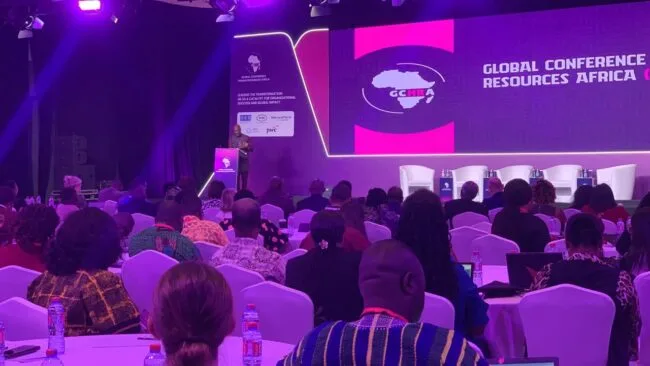
The GCHRA is designed as a platform for HR leaders, business executives, policymakers, entrepreneurs, technology innovators and other stakeholders to collaborate on Africa’s workforce transformation.
According to the organisers, the conference seeks to bridge the gap between HR and technology, drive workplace innovation, empower HR and business leaders, foster collaboration and networking, and advance Africa’s human capital development.
This year’s programme places particular emphasis on artificial intelligence and its impact on recruitment, employee engagement, talent management, workforce analytics, automation and productivity. Other sessions are examining psychological safety, mental health, women in HR technology, employability in the age of AI, regional HR practices and the intersection of technology and human capital.
The programme continues through August 14, when participants will take part in masterclasses covering employee experience and engagement, mental health and wellness, diversity and inclusion, AI in HR, AI agents for business transformation, and organisational development and change management.
The final day, August 15, is dedicated to tours designed to give participants opportunities to experience Ghana, with destinations including Cape Coast, Accra, Safari Valley and Akosombo.
GCHRA says the event offers access to global HR and business leadership insights, practical sessions on AI and workforce transformation, and networking opportunities with executives, policymakers, entrepreneurs, consultants and other leaders from Africa and the diaspora.
Registration and further details are available on the official GCHRA website. Register for GCHRA 2026.