Criminologist urges stronger intelligence networks to prevent armed robberies
Ghana must strengthen police and community intelligence networks to detect and disrupt armed robbery plans before criminals execute them, criminologist and KNUST lecturer Dr Jones Opoku-Ware has said. His comments follow the police interception of an alleged robbery operation in Labone, Accra, during which two suspecte...
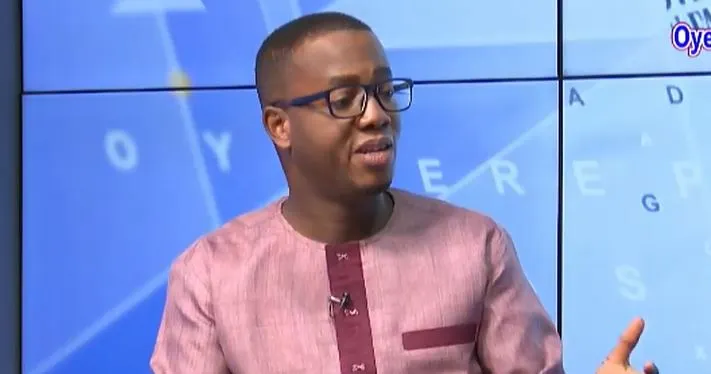
Ghana must strengthen police and community intelligence networks to detect and disrupt armed robbery plans before criminals execute them, criminologist and KNUST lecturerDr Jones Opoku-Ware has said.
His comments follow the police interception of an alleged robbery operation in Labone, Accra, during which two suspected robbers were killed and another was arrested.
Dr Opoku-Ware said successful prevention of organised robberies depended largely on understanding how criminals prepare, gather information and coordinate their movements before an attack.
He said robbery was rarely spontaneous, particularly when a group targeted a bank or other heavily secured institution.
“Nobody can just open a bank and begin to rob the bank. It has to be a systematic plan,” he said on the Asaase Breakfast Show on Friday (14 August).
According to him, criminal networks often rely on information from people within or around targeted institutions to understand their operations, security arrangements and movements.
He therefore urged the police to strengthen intelligence-sharing mechanisms involving communities, financial institutions and other stakeholders.
“The effort of police in this country is how we build a system that we can act in an inclusive way of communication,” he said.
Dr Opoku-Ware said intelligence gathering should not be limited to conventional police operations, arguing that local communities could provide critical information about planned criminal activity.
“We must be able to ask people within some of these communities who can be with the police and give some of this information to the police,” he said.
He acknowledged the work of the police but said resource constraints continued to limit their ability to deploy more sophisticated intelligence systems.
He called for investment in advanced systems capable of supporting intelligence gathering, crime analysis and predictive policing.
The criminologist said the successful interception of the alleged Labone robbery demonstrated the importance of acting on intelligence before a crime was committed.
He added that information obtained from suspects and evidence recovered during such operations should be used to strengthen police planning and identify areas that could be targeted by criminal networks.