From fabric scraps to life skills: How a young Ghanaian is teaching children to build a sustainable future
Ghana’s efforts to tackle waste and build a more environmentally conscious society may need to start much earlier—in childhood. A sustainability educator and fashion advocate, Geopheson Azariel Elorm Selassie Abena, is calling for children as young as four to be introduced to sustainability, financial literacy, creativ...
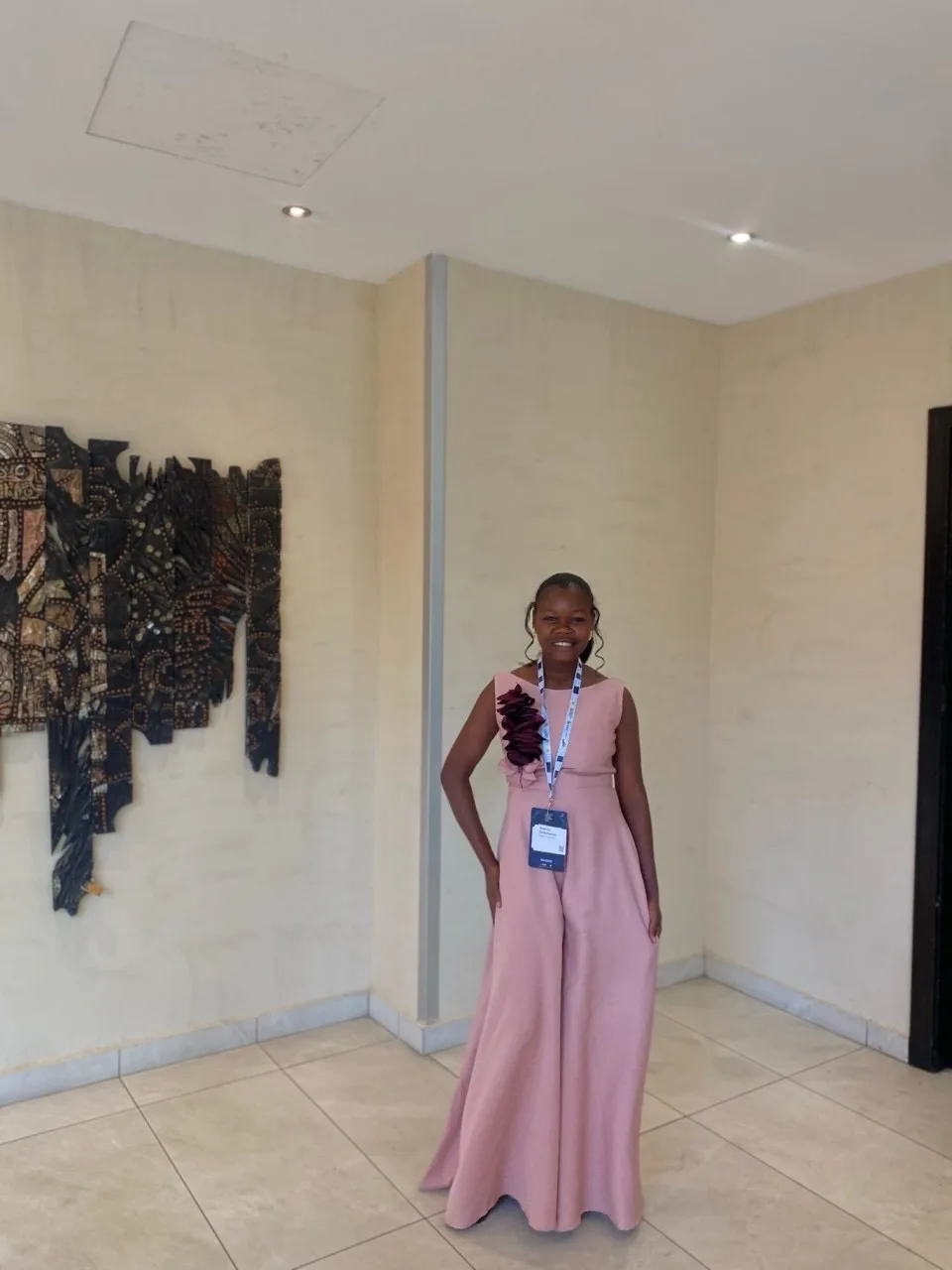
Ghana’s efforts to tackle waste and build a more environmentally conscious society may need to start much earlier—in childhood.
A sustainability educator and fashion advocate, Geopheson Azariel Elorm Selassie Abena, is calling for children as young as four to be introduced to sustainability, financial literacy, creativity, and practical skills, arguing that habits formed early can determine how the next generation consumes, saves, and uses resources.
Azariel, who works with children through creative and practical activities, told Asaase Radio that sustainability education should not be left to environmental campaigns targeted at adults.
She believes children should learn from an early age that what they buy, use, repair, and throw away has consequences for both their finances and the environment.
“If we wait until they become teenagers to teach them about money, environmental responsibility, creativity, and entrepreneurship, we have already missed valuable opportunities,” she said.
The call comes at a time when waste management remains a major challenge, while the fashion industry continues to generate large quantities of discarded clothing and textiles.
For Azariel, teaching children how to repair, reuse, and transform materials can provide a practical way of addressing the problem while developing skills that could become useful later in life.
Instead of treating sustainability as a lesson confined to recycling, Azariel advocates an approach that connects environmental responsibility with creativity and economic opportunity.
Children can learn sewing, clothing repair, and upcycling while being introduced to concepts such as saving, entrepreneurship, and problem-solving.
A piece of discarded fabric, for instance, can become a learning tool through which a child understands that something considered waste can be given a new purpose.
“Every time I teach a child to transform discarded materials into something useful, I am also teaching innovation, responsibility, and resilience,” she said.
The approach also challenges the idea that practical skills should only be introduced when young people are preparing for employment.
Azariel believes children can begin developing these skills long before they reach secondary school.
She argues that early exposure could help produce young people who are more confident in creating opportunities for themselves rather than relying solely on traditional career paths.
For Azariel, sustainability and financial literacy are closely connected.
A child who learns to take care of clothing, repair damaged items, and avoid unnecessary purchases is also learning about value and responsible spending.
She believes this relationship should be reflected in how children are educated.
“Education should prepare children for life, not just taking examinations and teaching from textbooks,” she said.
The objective, she argues, should be to equip children with knowledge they can apply at home and eventually in the workplace.
She also believes children can take these lessons back to their families, potentially influencing how parents approach waste, consumption, and money.
The conversation about clothing sustainability also has a health dimension.
Azariel’s own experience with lichen planus, which she says is triggered by multiple skin allergies, has made her more conscious of the materials and chemicals used in fashion and other consumer products.
She says she reacts to certain fabrics, textile dyes, and chemicals used in clothing, cosmetics, and perfumes.
Managing the condition has included medication and injections, and she says severe itching has sometimes affected her sleep and mental well-being.
The experience has influenced her advocacy for greater consumer awareness about the products people put on and around their bodies.
“Fashion is not only about physical appearance. It is also about health, safety, and the materials that come into contact with our bodies every single day,” she said.
Her experience highlights a broader question for consumers: How much do people know about the materials, dyes, and chemicals used in the products they purchase?
For Azariel, that awareness should begin early.
The argument for starting sustainability education early is based on the belief that behaviour is easier to develop than to correct.
Children who grow up learning to save, reuse, repair, and care for their belongings may be more likely to carry those habits into adulthood.
Azariel also sees the lessons as an opportunity to introduce children to entrepreneurship.
A child who learns to turn waste materials into a useful product can begin to understand design, value creation, and the possibility of earning from a skill.
She said the wider goal is to raise “responsible thinkers, conscious creators, and future innovators.”
That could also have implications for Ghana’s creative economy, where young people are increasingly being encouraged to turn creative abilities into businesses.
Azariel, however, said the issue goes beyond individual behaviour.
She draws on the Native American proverb: “We do not inherit the Earth from our ancestors; we borrow it from our children.”
The message, she said, is that the current generation has a responsibility to leave natural resources in a condition that allows future generations to benefit from them.
“The trees, rivers, oceans, animals, and even the air we breathe are gifts from God. We don’t own them forever. We are taking care of them for the children who will come after us,” she said.
That philosophy places children at the centre of the sustainability conversation—not simply as future beneficiaries of environmental protection, but as people who can begin influencing how their families consume and manage resources today.
The challenge, therefore, is not only how Ghana manages the waste already being generated.
It is also whether the country can raise a generation that produces less waste, understands the value of resources, and has the creativity to turn environmental problems into opportunities.
For Azariel, that education cannot wait until adulthood.
It starts with a piece of fabric, a needle, a lesson about saving—and a child learning that what appears to be waste may still have value.