GAUA strike: University exams face credibility questions as administrators withdraw services
The ongoing strike by the Ghana Association of University Administrators (GAUA) could raise questions about the credibility and administration of examinations at public universities, the association’s national president has warned. Rev. Kwaku Karikari Amoah said key university administrators responsible for coordinatin...
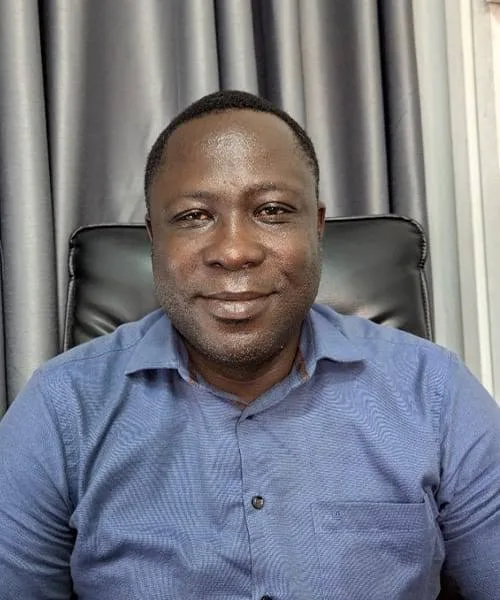
The ongoing strike by the Ghana Association of University Administrators (GAUA) could raise questions about the credibility and administration of examinations at public universities, the association’s national president has warned.
Rev. Kwaku Karikari Amoah said key university administrators responsible for coordinating examinations, student records and academic affairs were among those participating in the industrial action.
He argued that universities proceeding with examinations without the involvement of the relevant administrators could face difficulties in validating the processes and records generated during the examinations.
“If examinations go on and the head of or the director of student affairs and academics, the head of departments for examination, if these two people are not coordinating the examination, then the credibility of the exams is suspect,” he said on the Asaase Breakfast Show on Monday (17 August).
He further questioned how certificates and transcripts arising from such examinations would be validated if the officials responsible for those processes were not involved.
“So we would sort of validate the certificate and the transcripts because the one who is supposed to do that was not or is not part of the conduct of the examination,” he said.
The GAUA president warned institutions that had proceeded with examinations despite the strike that they could face administrative and auditing questions.
“Those who have taken it upon themselves to go ahead and conduct exams, they are doing it at their own risk,” he said.
Rev. Amoah also questioned the procurement and logistical arrangements being used to facilitate examinations during the strike, including the movement of furniture and other resources between examination venues.
“Who has given them the go ahead?” he asked.
His comments come as the industrial action begins to affect students, with examinations reportedly postponed or disrupted at some universities.
At the University of Education, Winneba, for example, the association said some health services had also reportedly been affected, raising concerns about the wider implications of the dispute.
Rev. Amoah acknowledged that students were being affected by the strike but argued that the disruption was an unavoidable consequence of the industrial action.
He recalled his own experience as a university student in Uganda, where he said a prolonged strike disrupted an entire academic year.
“Today, if GAUA too is on strike and it’s affecting examinations, let’s hold on with examinations,” he said.
He said GAUA members also had children and relatives studying at universities and therefore understood the difficulties students faced.
“We are not happy that we stay at home and people suffer. We want to go back to the classrooms. We want to go back to our office,” he said.
However, he urged student bodies, including SRCs and other student organisations, to support GAUA’s demands by pressing government to resolve the dispute.
The association has also raised concerns about the possible impact of the strike on essential services provided by its members.
Rev. Amoah said GAUA includes professionals working in university legal offices, hospitals and clinics, engineering departments, finance, audit, procurement and human resources.
He said the association hoped the strike would not significantly affect healthcare services but maintained that the broader dispute needed to be resolved urgently.
“We hope that our strike will not affect the health of people so much,” he said.
The GAUA president said the association remained hopeful that discussions with the Education Minister would lead to a resolution and allow its members to return to work.