India’s Ramky Group eyes US$2bn investment in Ghana over five years
India’s Ramky Group has expressed interest in investing at least US$2 billion in Ghana over the next five years, with projects proposed across pharmaceuticals, waste management, energy, housing, agriculture and agro-processing. A major component of the proposed investment is the phased development of a 2,000-acre indus...
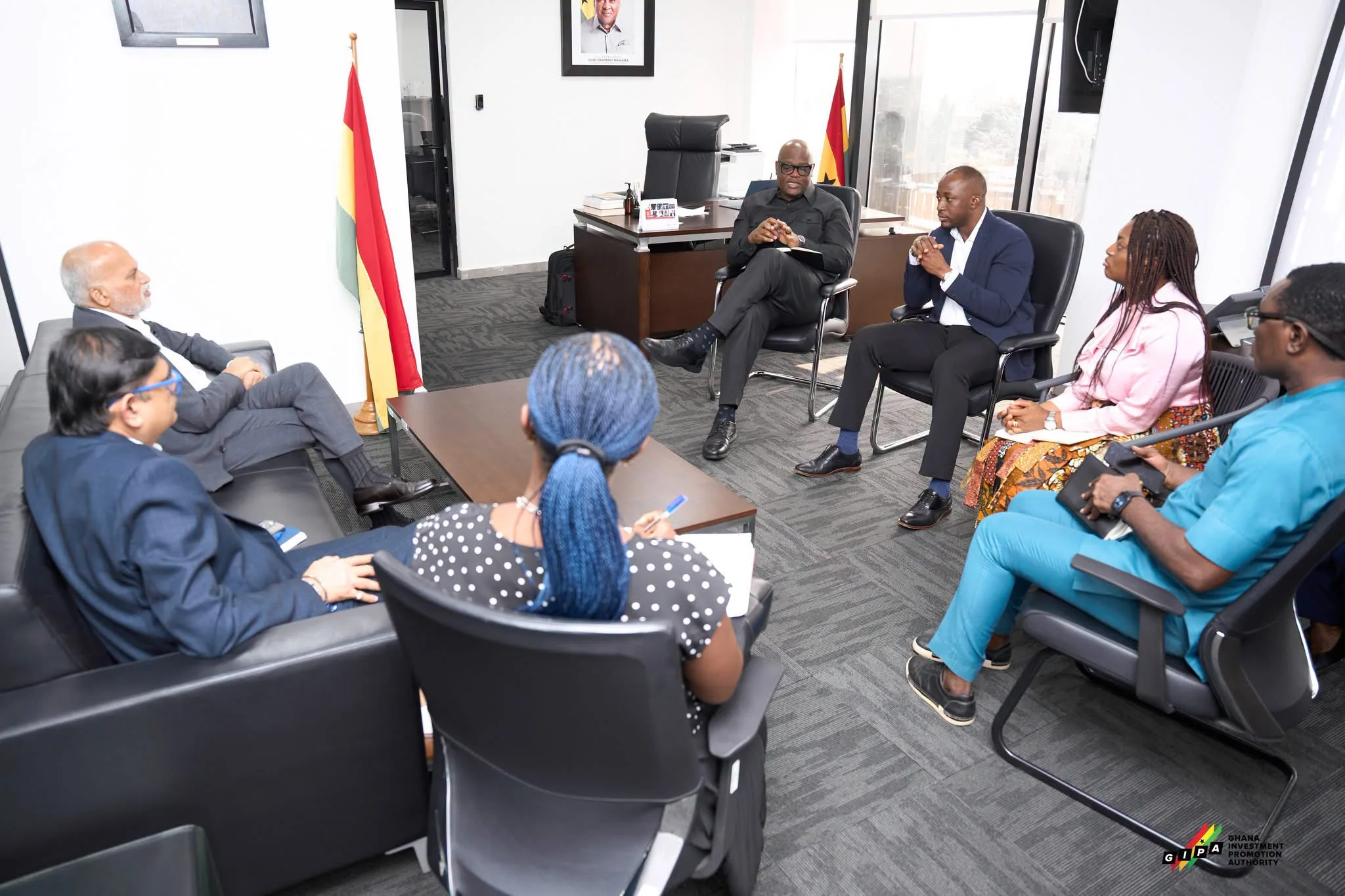
India’s Ramky Group has expressed interest in investing at least US$2 billion in Ghana over the next five years, with projects proposed across pharmaceuticals, waste management, energy, housing, agriculture and agro-processing.
A major component of the proposed investment is the phased development of a 2,000-acre industrial park.
The planned facility is expected to include a dedicated pharmaceutical manufacturing zone, as well as production and processing facilities for food, chemicals, textiles, petrochemicals and medical devices.
The group is also considering investments in waste management and waste-to-energy projects.
These include a national-scale medical waste treatment facility, a hazardous industrial waste treatment plant and a 24-megawatt waste-to-power project.
Additional proposals cover affordable housing and agricultural projects aimed at supporting Ghana’s industrial and economic development.
The investment proposals were discussed during a meeting between Ramky Group Founder and Chairman, Shri Alla Ayodhya Rami Reddy, and the leadership of the Ghana Investment Promotion Authority (GIPA).
The GIPA delegation was led by Chief Executive Officer Simon Madjie and Deputy Chief Executive A. Razak Baba, with representatives of the 24-Hour Economy and Accelerated Export Development Secretariat also participating.
Madjie welcomed the proposed investment and said GIPA was committed to facilitating the projects and supporting partnerships that contribute to Ghana’s industrial development.
The proposed investments are expected to create opportunities across several productive sectors while supporting local manufacturing, value addition and employment.
The industrial park, in particular, could provide a platform for expanding pharmaceutical and other manufacturing activities and strengthening Ghana’s position as a production and export hub within the African Continental Free Trade Area (AfCFTA).