South Africa gets inflation relief first time in five months as fuel prices fall, but renewed oil surge threatens the relief
South Africa’s annual inflation slowed more sharply than expected in July as lower fuel and food costs eased pressure on households, but renewed increases in global oil prices could make the relief short-lived.
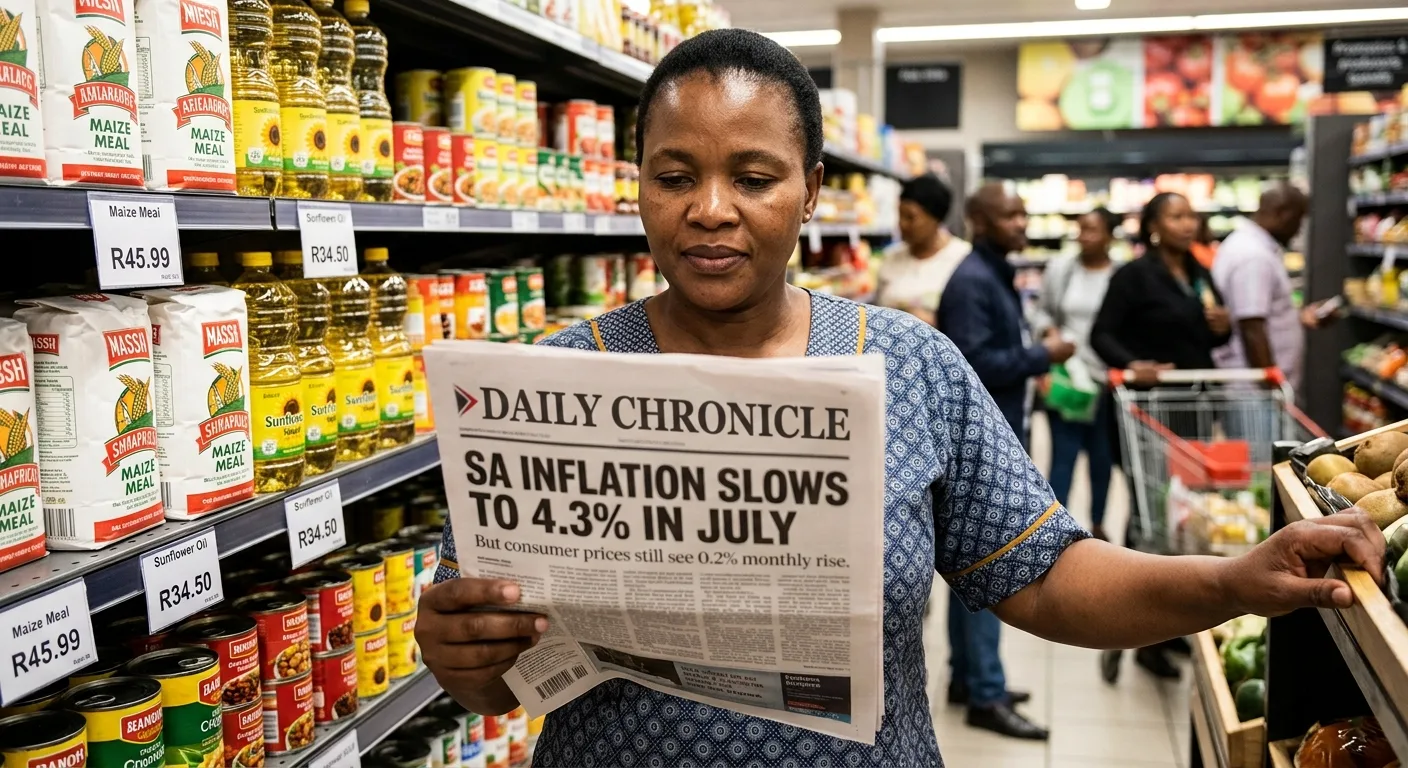
South Africa’s annual inflation slowed more sharply than expected in July as lower fuel and food costs eased pressure on households, but renewed increases in global oil prices could make the relief short-lived.
- South Africa’s annual inflation slowed from 5% in June to 4.3% in July, its first decline in five months.
- Fuel prices fell 7.8% during the month, while food inflation reached its lowest level in more than 16 years.
- Despite the monthly decline, fuel remained 20.6% more expensive than in July 2025.
- Renewed US-Iran hostilities have pushed oil above $90 per barrel, raising the risk of another increase in transport and household costs.
Annual consumer inflation fell to 4.3% in July from 5% in June, according to data released by Statistics South Africa on Wednesday.
That was the first slowdown in five months and was below the 4.5% median forecast of economists surveyed by Reuters.
Prices still increased by 0.2% between June and July. The lower annual inflation rate therefore does not mean that the overall cost of living fell. It means consumer prices increased at a slower rate than they did a year earlier.
Lower fuel prices made the largest contribution to the monthly moderation. The fuel component of South Africa’s consumer price index fell by 7.8% between June and July.
Statistics South Africa’s data showed that transport prices declined by 2.7% during the month, subtracting 0.4 percentage points from the monthly inflation rate.
However, the annual figures show that South African households are still paying significantly more for energy than they did last year.
Fuel prices remained 20.6% higher than in July 2025, although this was an improvement from the 34.3% annual increase recorded in June.
DON'T MISS THIS: South Africa’s inflation may be turning a corner, just as a global oil shock begins to hit
Food inflation reaches 16-year low
Food and non-alcoholic beverage inflation slowed to 0.9% in July, its lowest level in more than 16 years.
![Fuel prices fell by 7.8% between June and July, but remained 20.6% higher than they were a year earlier.[Gemini Generated Image]](/storage/imports/content/c69f5ddfbaa2dbf4b844c0f1d42366bf4c75d09d.webp)
Food prices alone rose by 0.6% over the year but fell by 0.2% between June and July.
Prices for cereal products were 2% lower than a year earlier, while vegetables declined by 2.5% and fruits and nuts by 7.5%.
Not every food category became cheaper. Fish and other seafood prices increased by 6.6% over the year, while meat was 1.5% more expensive. Hot beverages recorded a 7.4% increase.
Lower municipal tariff adjustments also helped contain the annual inflation figure compared with July 2025. Municipalities generally adjust electricity, water and other service charges in July.
Housing and utility costs nevertheless increased by 5.2% over the year and contributed 1.3 percentage points to the headline inflation rate.
Electricity, gas and other household fuels were 8.3% more expensive than a year earlier, while water and related municipal services increased by 6.4%.
DON'T MISS THIS:South Africa may hit 3% inflation target in 2026
The relief was not shared equally
Statistics South Africa’s breakdown by household spending levels shows that inflation affected income groups differently.
The lowest expenditure group recorded an annual inflation rate of 2.9% in July, while the highest expenditure group experienced inflation of 4.6%.
Inflation for pensioners stood at 4.4%, slightly above the national urban rate.
These differences reflect the different goods and services purchased by households. Higher-income households devote larger shares of their spending to categories such as private transport, insurance and financial services, while food carries greater weight in lower-income budgets.
The decline in food inflation therefore provided relatively important relief to poorer households, although high transport and electricity costs remain a burden.
August diesel increase complicates the picture
The July inflation report looks backwards and does not yet capture all the fuel-price changes that took effect in August.
South Africa reduced the regulated prices of both grades of petrol by 52 cents per litre on 5 August. At the same time, wholesale diesel prices increased by between R1.23 and R1.38 per litre, depending on sulphur content.
Illuminating paraffin, which is used by some households for cooking and heating, increased by R1.52 per litre at the wholesale level.
The increase in diesel is important beyond motorists because it affects trucks, agricultural machinery, generators and other commercial operations. Higher diesel costs can eventually reach consumers through transport, farming and distribution expenses.
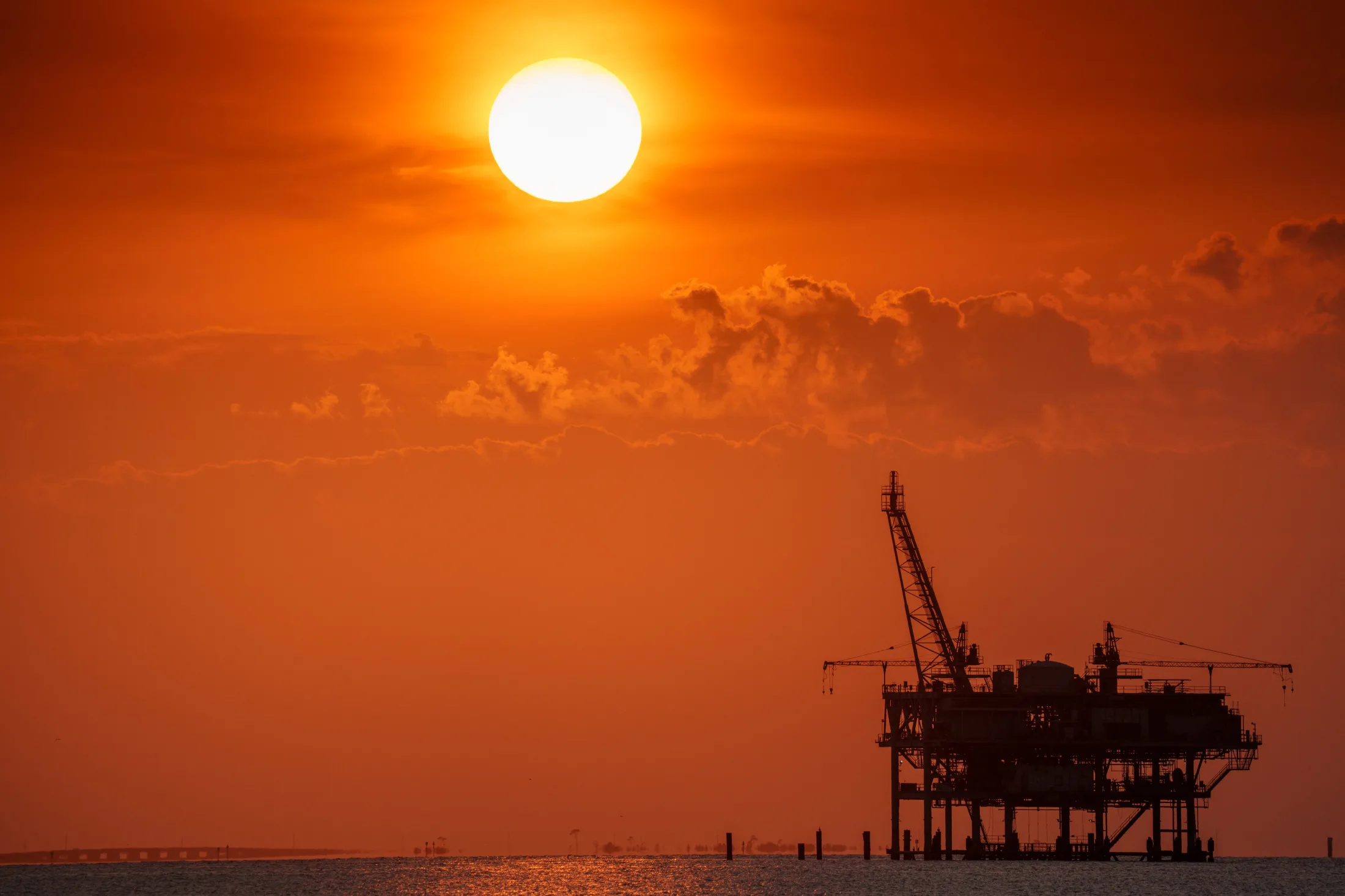
The August adjustments took the inland price of 95-octane petrol to R25.58 per litre. The inland wholesale prices of the two diesel grades rose to between R26.17 and R26.90 per litre.
The government publishes a regulated retail price for petrol. Diesel prices are regulated at the wholesale level, meaning the final amount charged by retailers can vary.
DON'T MISS THIS:South Africa’s central bank, treasury reach crucial agreement on inflation amid policy rift
Oil returns above $90
Brent crude settled at $91.62 per barrel on 19 August, its highest closing level in nearly four weeks, as renewed US-Iran hostilities and disruptions involving Russian exports increased concerns about global supplies.
South Africa is particularly exposed because it imports crude oil and finished petroleum products. Its monthly fuel-price calculation is influenced by international product prices and the rand-dollar exchange rate.
This does not mean September fuel prices will automatically rise. The final adjustment will depend on average international prices and the exchange rate over the full review period, as well as levies and any government intervention.
The rand strengthened to approximately R16.15 against the dollar after the inflation data were released on Wednesday. A stronger rand can offset part of the effect of higher dollar-denominated oil and petroleum-product prices.
However, oil remaining above $90 would increase the risk that the July decline in fuel prices proves temporary.
Interest-rate outlook remains uncertain
The inflation slowdown could ordinarily strengthen the case for lower borrowing costs.
South Africa’s central bank kept its main interest rate unchanged in July, saying existing monetary policy was restrictive enough to return inflation to its 3% target over the next two years.
Headline inflation remains above that target. Inflation excluding fuel was 3.7% in July, while inflation excluding food, non-alcoholic beverages, fuel and energy stood at 4.2%.
Nedbank economists expect headline inflation to end 2026 at about 4.1% and average 4% during the year, Reuters reported. They nevertheless identified the US-Iran conflict as a major risk to that forecast.
The August inflation report and the South African Reserve Bank’s next interest-rate decision are both scheduled for 23 September.
By then, policymakers should have a clearer indication of whether July marked the beginning of sustained consumer relief or merely a temporary pause in South Africa’s latest energy-driven inflation cycle.