Meet the man behind The Plug, who wants to assist Africa’s most popular Afrobeats singer to become the best African artist of all time
Asa Asika entered Nigeria’s entertainment industry as a teenager. More than a decade later, he has built his premier African entertainment, talent management, and music publishing agency, The Plug, into a wider entertainment business spanning artist management, sports, and hospitality.
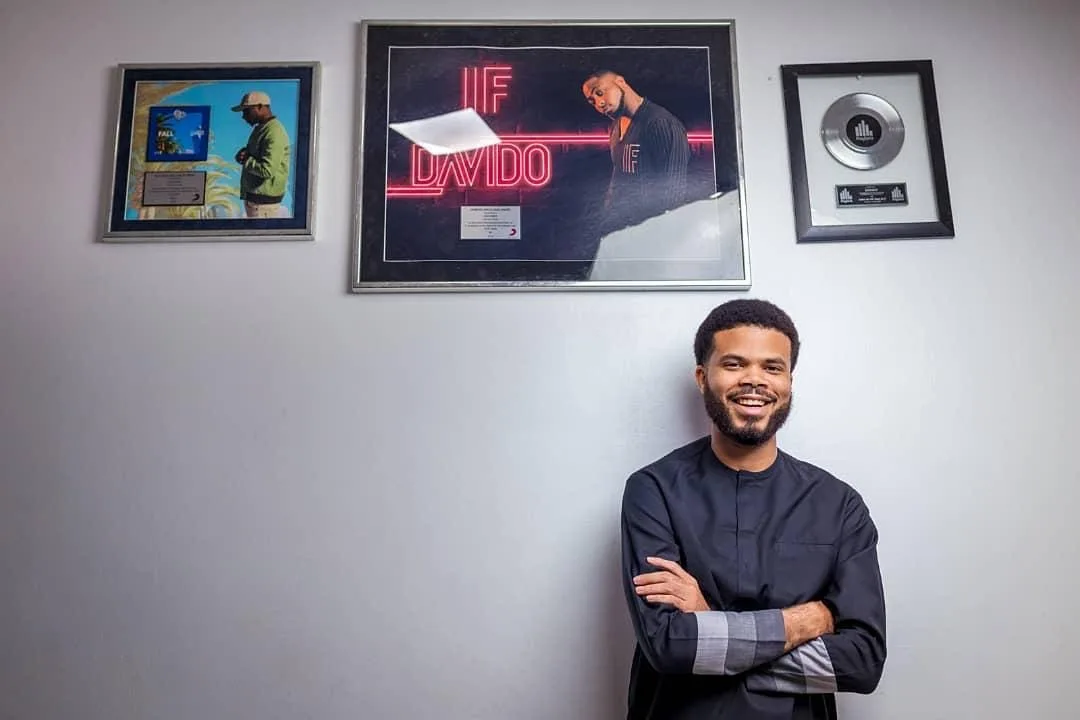
Asa Asika entered Nigeria’s entertainment industry as a teenager. More than a decade later, he has built his premier African entertainment, talent management, and music publishing agency, The Plug, into a wider entertainment business spanning artist management, sports, and hospitality.
In this edition of Meet the Founder, Asa Asika discusses the lessons of managing one of Africa’s biggest artists, Davido, why African ownership is the next frontier for Afrobeats, and his ambition to make The Plug one of the companies people remember as having pushed African entertainment forward.
- Asa Asika started working in entertainment as a teenager and has since built The Plug into a diversified entertainment business.
- He believes infrastructure and African ownership will determine the next phase of Afrobeats’ global growth.
- After helping build Davido into one of Africa’s biggest global music stars, Asika says the focus has shifted from creating a career to building a lasting legacy.
For most people, the music industry begins and ends with what happens on stage; however, for one of Nigeria’s top music managers, Asa Asika, music is much more than what is heard on the airways and what is seen on the stage or screen.
This music manager entered Nigeria’s entertainment industry as a teenager and, without following the traditional university route, learned the business by doing it.
Over the years, he has become one of the most recognisable figures working behind the scenes of Africa’s music industry, most notably through his management of Davido.
Through The Plug, Asika has built a wider entertainment ecosystem that touches events, publishing, sports, hospitality and other areas of popular culture.
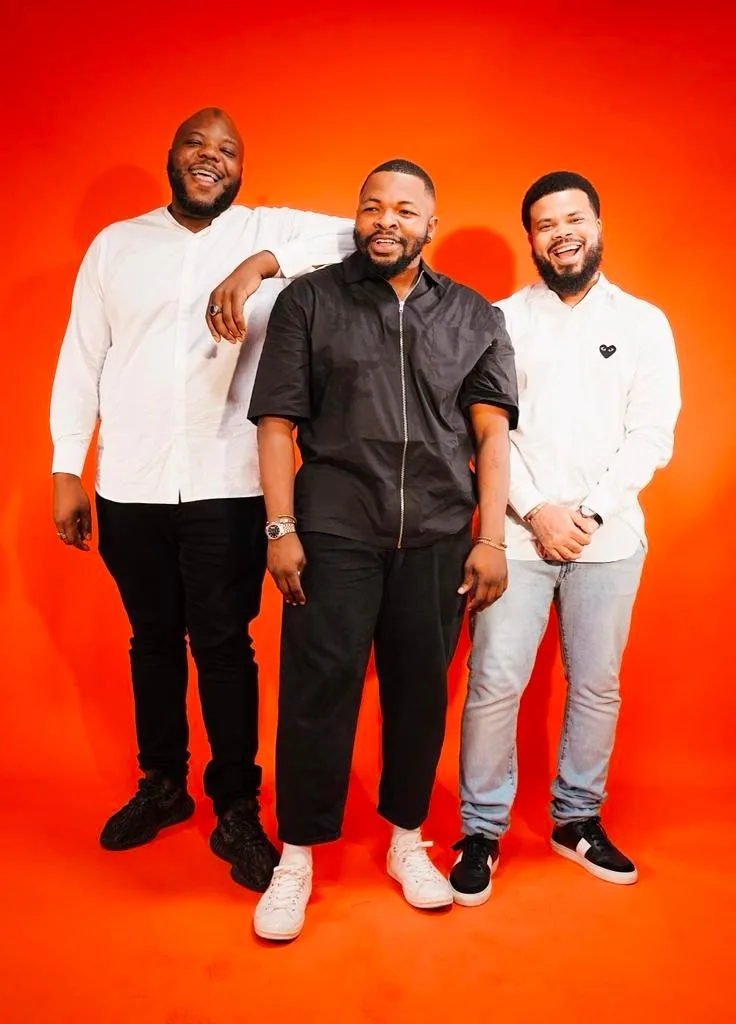
For him, the expansion is not simply about diversification. It is about recognising how interconnected the entertainment business has become.
“If you really want to make things shake, you have to have a presence across all of these spaces.
The wider entertainment ecosystem only works when all the parts are connected, and we've always understood that. And if you really think about it, you’ll see that everything goes hand in hand.
Imagine an artist who doesn't put on a concert/events. Or Davido’s collaborations with PUMA with no understanding of the sports or fashion world. If you don’t expand your ecosystem, you’ll be left behind.”
Learning the business by being in it
Asika's education in entertainment did not happen in a classroom; it happened in negotiations, artist relationships, deals, and the countless decisions that come with operating in an industry where careers can change overnight.
“The honest truth is that nothing teaches you this industry like being inside of it. No courses in reading a room, how to negotiate a deal with people trying to undermine your talent, how to protect your artist and yourself, all of that only comes with experience. Even figuring out who to trust in a cutthroat industry like mine. You can't learn that in any classroom.”
That experience has become particularly valuable as Africa's entertainment industry has grown more sophisticated.
Afrobeats has moved from being primarily a regional cultural force to becoming a global export, with African artists now competing for audiences, partnerships and commercial opportunities around the world.
But Asika believes the music itself is only one part of the story.
Afrobeats has done its job. Now comes ownership
For Asika, one of the biggest reasons African music has been able to travel so far is the infrastructure that has developed around it.
“I think the most important driver of success is the infrastructure. We’ve worked so hard over the last decade to build structures to support this larger, very complicated machine that can grow our artists’ careers.”
But the next stage, he argues, is about ensuring that Africans own more of the infrastructure they have helped create.
“The next thing is ownership. The music has done its job and solidified our culture’s place in the global (music) conversation. Now we’re focusing on making sure the people who built this are the ones who benefit long term. African-owned publishing, distribution, live infrastructure- the possibilities of what we can achieve are endless.”
That shift is particularly important as African music becomes increasingly valuable to global businesses.
For Asika, the question is no longer whether African music can compete globally.
It is whether African businesses and entrepreneurs can capture enough of the economic value created by that global demand.
Don't confuse noise with success
The growing visibility of African entertainment has also created a new challenge: separating genuine business growth from the noise surrounding the industry.
Asika says that distinction is central to how he approaches business.
“The first one is don’t confuse noise with success. The industry has a lot of both and a lot of times they get mixed up. People get caught up in social media, big personalities, all of that, and it pulls you away from the actual work.”
His approach to investing has also involved backing cultural movements before they become obvious commercial opportunities.
“The second is that the best investments I've made have always been in people and culture before the rest of the world caught on. Mainland Block Party, my hospitality and club ventures, our new event at The Plug, Purple. Some of them weren't obvious at the time, but I've always backed my own judgment on where culture is going. People catch on eventually. The third is that relationships are non-negotiable. You're only as strong as the people you're connected to and the trust you've built with them. I really believe in creating your own personal ecosystem.”
That emphasis on people extends to the creative ecosystem more broadly.
Africa has no shortage of artists capable of producing hit records, but Asika believes talent alone is rarely enough to sustain a career.
Talent is only the beginning
“I’ve said this many times before that talent only takes you so far. You or the people around you need to have that business mindset. But in many cases, the support system for artists doesn’t exist. We've seen it too many times: someone comes on the scene with a record everyone loves, it's at every party for months, and then when it's time to capitalize on that moment, the whole thing crashes. Because there’s no one to support what comes after the hype has died.”
The entertainment industry can create overnight stars, but converting a moment of attention into a sustainable career requires planning, infrastructure and people capable of navigating what comes next.
That responsibility becomes even greater when managing an artist operating at the scale of Davido.
From building a career to building a legacy
Asika has worked with Davido through a period in which the artist evolved from a Nigerian star into one of Africa's biggest global music exports.
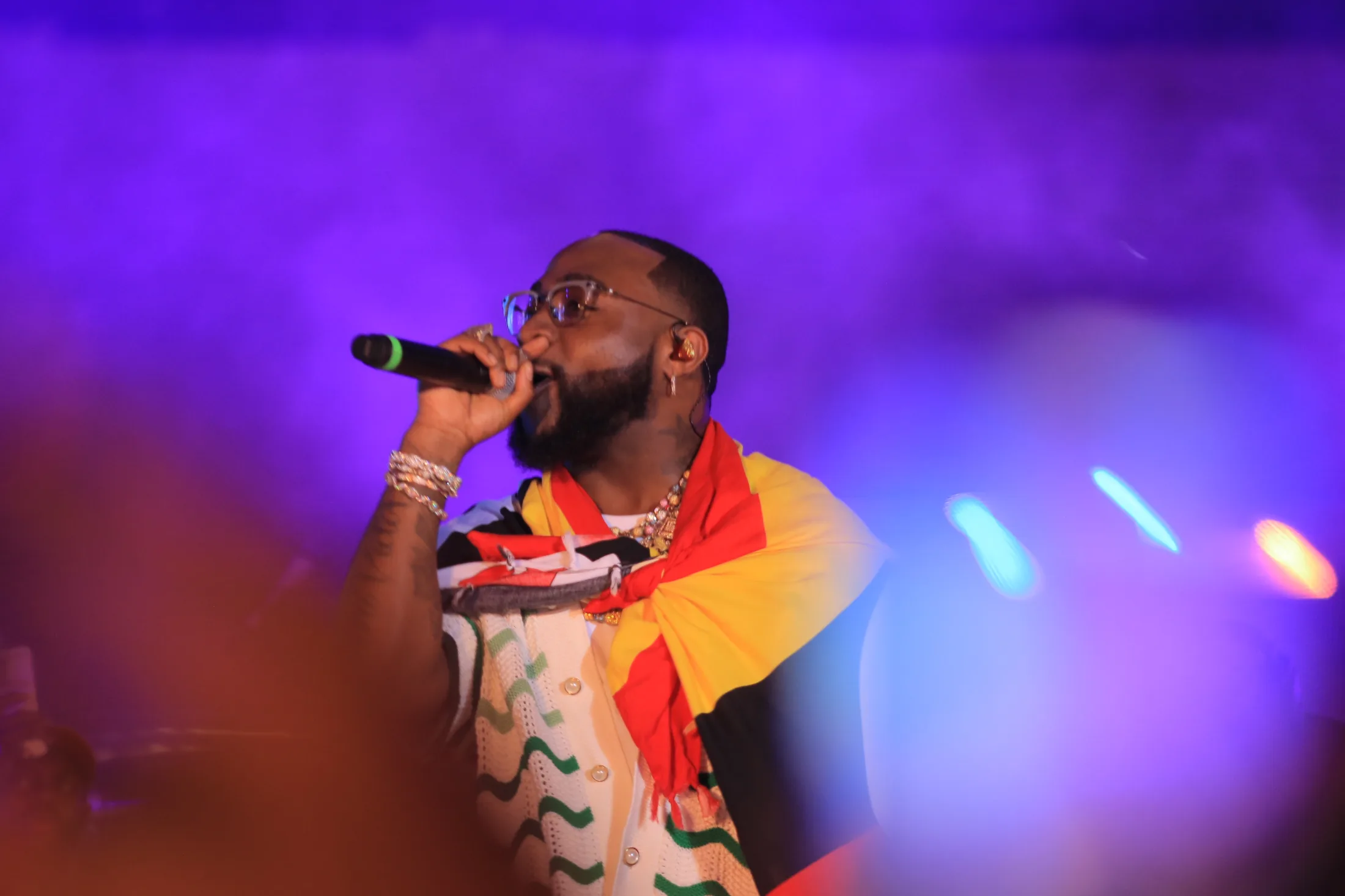
The nature of that job has changed as the artist's profile has grown.
“The main challenge here is now focusing on building a legacy for an artist. So in the past the focus was on just getting them to this point. But now it’s about maintaining it, and on some days this feels harder than the work we put in in the early days. I won’t lie, though a lot of things come easier now. For one, we’re not chasing guys for features anymore; they come to us. What the experience has taught me is that you have to keep evolving alongside your artist. The version of myself as a manager that got us here won’t be the same version that keeps us relevant. The goal now is for Davido to be in the best African artist of all time conversation, permanently.”
That evolution also reflects how quickly the business of music itself has changed.
A manager who once focused heavily on getting a record played in Lagos clubs now has to think about global streaming platforms, digital content, playlisting, social media and international audiences.
The manager has to keep learning
“The game itself has changed but some things will always remain the same. Artists have always had beef, always had big personalities, always needed someone in their corner who can see the bigger picture. A viral moment can open a door that would have taken years to get to before. So the job is the same but the stakes on both sides are higher.”
For Asika, staying relevant means staying curious.
“What that means practically is you have to be tapped in at all times. Fifteen years ago all I was thinking about was getting Dami Duro played in (Lagos club - e.g. SIP, Likwid). Now I'm thinking about Spotify playlisting and content rollouts. The managers who are struggling are the ones who mastered the old model and stopped learning. This industry is not easy; it'll leave you behind so quickly if you're not sharp.”
That mindset also shapes how he approaches some of the biggest commercial opportunities available to artists.
Not every big cheque is worth taking
As Davido's career has grown, so too have the opportunities for major brand partnerships and international collaborations.
But Asika says money alone is not enough to make a deal worthwhile.
“The first question is always whether it's contributing to the legacy we're building or just a check. We've passed on big numbers so many times because the fit wasn't right. After that it's timing and originality. Has this been done before, and if it has, are we doing it better or differently enough for anyone to actually care? While money is always part of the conversation, it's never what makes us sign the deal. If the other things don't line up, the money doesn't fix that.”
That long-term thinking is also reflected in how Asika approaches his own team.
Building people, not just businesses
Managing multiple ventures in an industry where mistakes can have immediate consequences requires a different kind of leadership.
“I have to remember that this industry is genuinely challenging for everyone in it so you have to stay focused on the work and remember that everyone is working toward the same thing. One small error on my team and I’s part can cost someone their reputation or their bag. And I try to give people room to grow into bigger roles. A lot of the people around me now have been with me for years, which is why I can trust them with anything.”
For Asika, that trust is part of the infrastructure required to build businesses that can survive beyond individual personalities.
It is also central to his broader vision for The Plug.
Building what comes next
As Africa's creative economy enters what could be its most commercially significant period yet, Asika sees an opportunity to create businesses that do more than participate in the growth.
He wants The Plug to be remembered as one of the companies that helped drive it.
“I want them to look back on the progress we’ve made and have The Plug in their mind when they think of who built that, who pushed us forward as a people, who put in that work. When you think of the people who weren’t scared to break barriers, it should always be The Plug at number 1. And I'm not one of those people who think the next generation needs to suffer to succeed. I don't believe in gatekeeping. Everything we've built is meant to be a springboard, so I’m excited about where the next generation will go.”
For someone who entered entertainment as a teenager, the ambition has clearly grown beyond managing individual careers.
Asika is now thinking about the infrastructure that sits underneath African entertainment, who owns it, who benefits from it, and what the next generation can build on top of it.
The music may have opened the door, but for Asika, the bigger opportunity is building the ecosystem behind it.