Supreme Court dismisses Oppong Nkrumah’s application to halt legal vacation trials
The Supreme Court has dismissed an application by Ofoase-Ayirebi MP Kojo Oppong Nkrumah seeking to stop selected High Court trials from proceeding during the 2026 legal vacation. Justice Gabriel Pwamang, sitting as a single judge, dismissed the application on Friday, 21 August, after hearing submissions from lawyers fo...
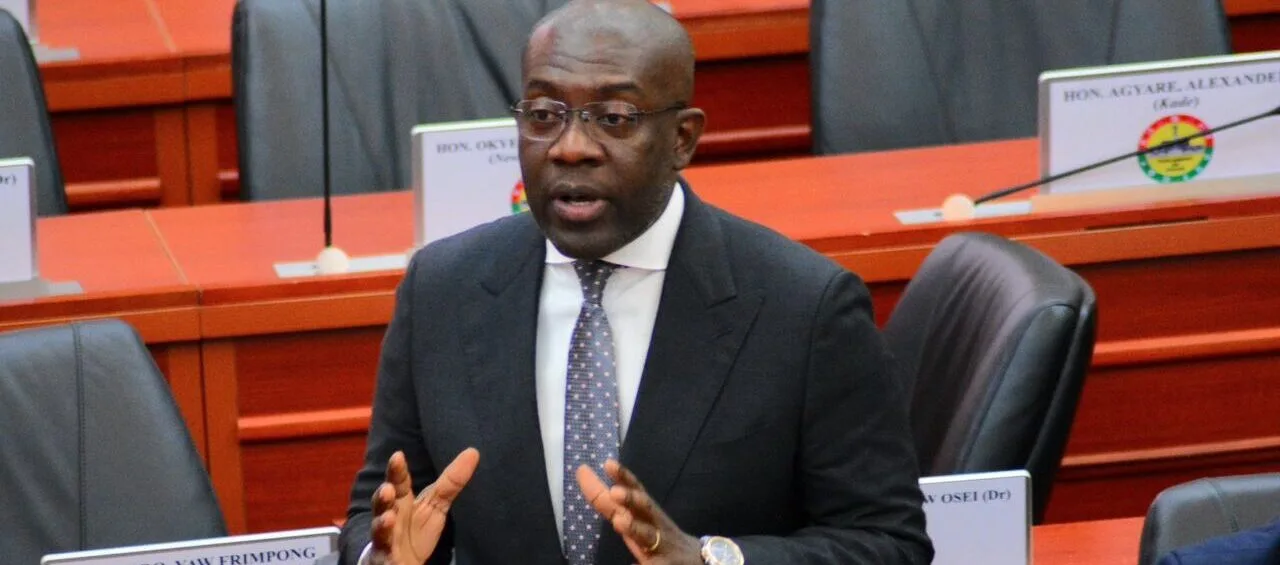
The Supreme Court has dismissed an application by Ofoase-Ayirebi MP Kojo Oppong Nkrumah seeking to stop selected High Court trials from proceeding during the 2026 legal vacation.
Justice Gabriel Pwamang, sitting as a single judge, dismissed the application on Friday, 21 August, after hearing submissions from lawyers for the applicant and the State.
Oppong Nkrumah had asked the court to grant an interlocutory injunction against a warrant issued by the Chief Justice which permits some High Court judges to continue hearing cases during the legal vacation.
The vacation period runs from 1 August to 30 September.
The MP is challenging the constitutional validity of the warrant in a separate substantive case.
His lawyer, Frank Davies, argued that the Chief Justice had exceeded the scope of the administrative discretion permitted under Article 296 of the 1992 Constitution.
He also told the court that allowing the affected cases to proceed could prejudice accused persons whose lawyers might not be available during the vacation period.
Davies cited instances in which requests for adjournments had allegedly been declined despite the absence of lawyers representing accused persons.
He argued that continuing the proceedings could cause harm that could not be adequately remedied if the warrant was later found to be unconstitutional.
The State opposed the application, with Deputy Attorney-General Dr Justice Srem-Sai arguing that the MP had failed to establish the grounds required for an interlocutory injunction.
He said Oppong Nkrumah had not demonstrated that allowing the trials to continue would cause him irreparable harm.
Dr Srem-Sai also argued that the Chief Justice’s warrant does not determine how individual High Court judges conduct cases.
According to him, decisions on whether to hear a matter, grant an adjournment or manage proceedings remain within the judicial discretion of individual judges.
He further maintained that there is no general rule prohibiting High Court trials during the legal vacation.
The deputy attorney-general said if the MP’s complaint was directed at decisions taken by particular trial judges, judicial review would be the appropriate legal avenue rather than an action invoking the Supreme Court’s original jurisdiction.
The State also argued that the public interest did not support an injunction that would interfere with the ongoing conduct of the trials.
The dismissal of the application leaves the Chief Justice’s warrant in operation.
The substantive constitutional challenge brought by Oppong Nkrumah against the warrant remains pending before the Supreme Court.